2026 Top Rigging Hardware Suppliers for Global Buyers
Buying rigging hardware in 2026 requires more than comparing prices on a supplier website. Global buyers must examine load ratings, material quality, certification records, production controls, and delivery reliability. A polished catalog is useful, but it cannot replace evidence. Shackles, wire rope fittings, lifting points, hooks, and turnbuckles may look similar while performing very differently under pressure.
This guide introduces leading rigging hardware suppliers serving international markets. It focuses on manufacturers and distributors with documented experience, technical support, traceable products, and practical quality systems. Buyers should review test certificates, inspection procedures, surface finishes, working load limits, and relevant industry standards before placing orders. Supplier claims deserve verification. They are not proof alone.
Small details matter.
A clear batch number can simplify an urgent inspection. Consistent thread accuracy can prevent installation delays. Responsive engineering support may matter more than a slightly lower quotation. However, no supplier is perfect, and market information can change during 2026. Some companies publish limited factory data, while others rely heavily on regional partners. That uncertainty deserves attention, not assumptions.
The following overview helps procurement teams compare suppliers more carefully. It considers product range, manufacturing capability, export experience, customization, documentation, and after-sales communication. It also highlights questions buyers should ask before selecting a long-term partner. The goal is not to promote one universal choice. Different projects require different levels of capacity, certification, lead time, and technical support. Reliable decisions come from matching verified supplier strengths with actual lifting conditions.
What Rigging Hardware Suppliers Provide and Why They Matter
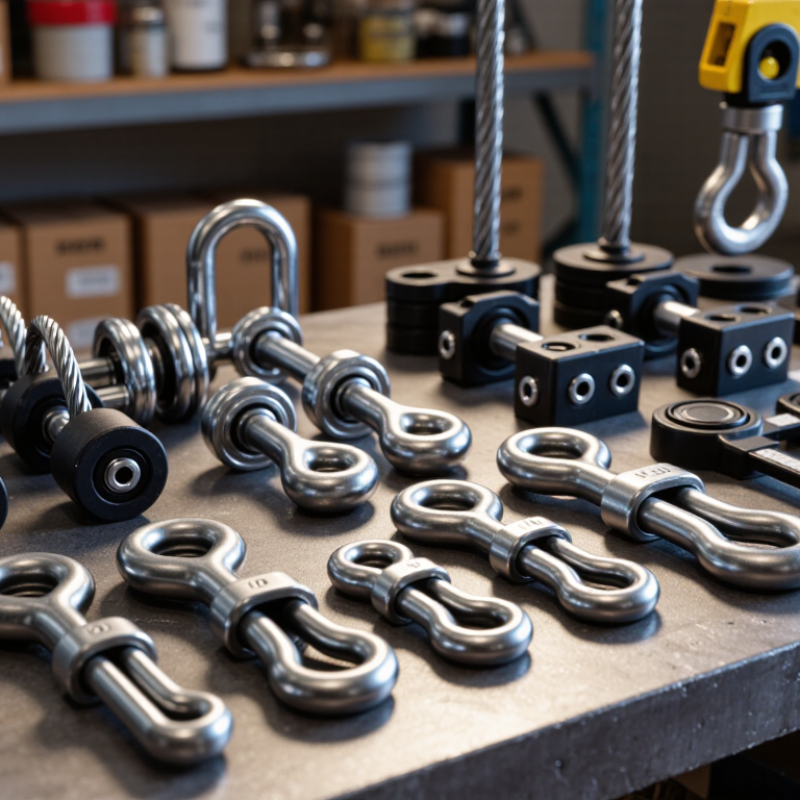
Global rigging hardware suppliers provide more than shackles, hooks, slings, wire rope, and lifting points. They connect product selection with real lifting conditions. A supplier should ask about load weight, lifting angles, working temperature, corrosion exposure, and handling frequency. Guessing is risky.
Reliable suppliers provide material certificates, working load limits, inspection records, and traceable batch information. These documents help buyers verify what arrives at the warehouse. Clear product markings matter too. A faded tag can create serious confusion during a busy lift. Suppliers may also offer proof-load testing, inspection guidance, replacement advice, and technical drawings. Good communication is part of the hardware.
Experienced suppliers understand that one standard item rarely fits every project. They may recommend coated components for marine environments or compact fittings for restricted spaces. Packaging should protect threads, pins, and finished surfaces during long-distance transport. Delivery planning also matters when a delayed fitting can stop an installation crew.
Still, supplier information deserves careful review. A certificate may be complete, yet the selected product may not suit the actual angle or temperature. I have seen teams focus on price and overlook inspection intervals. That mistake is easy to repeat. Buyers should compare specifications, ask practical questions, and keep records after delivery. Small details often decide whether rigging hardware performs reliably in the field.
Key Criteria for Evaluating Global Rigging Hardware Suppliers
2026 Top Rigging Hardware Suppliers for Global Buyers
Key Criteria for Evaluating Global Rigging Hardware Suppliers
Selecting a rigging hardware supplier requires more than comparing prices. Start with verified load ratings, material traceability, and clear test reports. Ask whether shackles, hooks, and lifting points match recognized safety standards. A serious supplier should explain working load limits, proof testing, and inspection intervals in practical language. Product drawings must show dimensions, thread details, surface treatment, and tolerance ranges. Small inconsistencies can create installation problems.
Assess manufacturing experience through evidence, not attractive website claims. Review factory inspection records, batch identification, quality-control procedures, and complaint handling. Reliable suppliers communicate lead times honestly, including delays caused by raw material shortages or port congestion. They should provide export documents and technical support for different operating environments. Salt air, freezing temperatures, and repeated loading can change product performance. No supplier is flawless. A trustworthy one admits limitations and corrects them visibly.
Tips: Request a sample batch before placing a large order. Check markings against the test certificate. Ask for recent inspection photos. Compare actual dimensions with drawings. Keep written records of every technical change. A low quote may hide weaker traceability, inconsistent finishing, or expensive replacement work later. Supplier selection should remain a technical decision, not only a purchasing decision.
Leading Rigging Hardware Supplier Categories in 2026
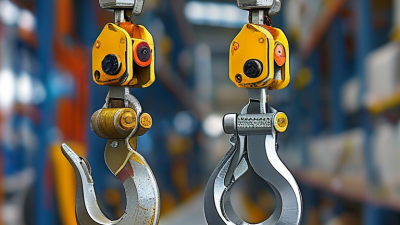
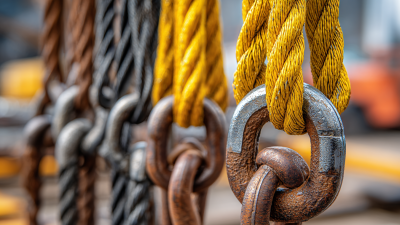
Global buyers in 2026 are comparing rigging hardware suppliers by category, not by product count alone. The main categories include shackles, lifting hooks, wire rope clips, swivels, turnbuckles, lifting points, and chain assemblies. Synthetic sling accessories also require careful attention. Each item serves a different load path and operating condition.
Experienced purchasing teams check working load limits, material grade, surface treatment, and dimensional accuracy. They also request batch traceability, inspection records, and test documentation. A supplier should explain how products perform in rain, salt air, dust, and repeated loading. Clear markings matter. A faded or incomplete mark can slow an inspection and create uncertainty on a busy site. Components should not be mixed casually, even when their ratings look similar.
In practical sourcing, forged shackles suit many connection points, while swivels help reduce twisting during movement. Turnbuckles support controlled tensioning, but thread damage can remain difficult to detect. This is an overlooked risk. I have found that product catalogs often describe strength better than maintenance needs. Buyers should ask about lubrication, storage, inspection intervals, and replacement guidance. One weakness in many procurement plans is trusting certificates without checking whether dimensions match the actual shipment. Suppliers with qualified technical staff, consistent quality controls, and responsive documentation teams are easier to evaluate across international projects. Mistakes still happen, especially when local terminology differs. Clear drawings and photographs can prevent expensive misunderstandings.
Safety Standards, Certifications, and Quality Control Requirements
2026 Top Rigging Hardware Suppliers for Global Buyers
Safety Standards, Certifications, and Quality Control Requirements
Global buyers should assess rigging hardware through documented safety practices, not attractive catalogs alone. Suppliers should identify each shackle, sling component, and lifting fitting by batch or serial number. Traceability must connect the product to material certificates, heat treatment records, and inspection results. A clear paper trail matters.
Relevant standards may include ISO 9001, ASME requirements, EN specifications, or recognized national rules. Requirements differ by destination and application. Buyers should request current certificates and confirm their issuing bodies. A certificate without matching product records is weak evidence. Suppliers should also provide proof-load testing, dimensional checks, and calibrated equipment records.
Quality control becomes visible in small details. Inspectors may check pin threads, weld surfaces, coating thickness, and stamped working load limits. Packaging should prevent corrosion and protect threads during transport. Ask how rejected parts are isolated. Ask whether corrective actions are recorded. Paperwork can still fail. Even experienced teams sometimes overlook regional marking rules or outdated test reports. That gap deserves review before purchase, not after installation.
How Global Buyers Can Compare and Select the Right Supplier
Choosing among rigging hardware suppliers requires more than comparing prices. Global buyers should examine manufacturing experience, product consistency, and technical support. Ask for material specifications, dimensional drawings, working load limits, and test reports for each item. Reliable suppliers can explain how loads were tested and how results are recorded. They should also provide batch identification, inspection records, and clear packaging details. A polished catalog helps, but traceability matters more.
Tips: Request a sample order before signing a large contract. Check threads, welds, surface finish, markings, and dimensions with simple inspection tools. Compare the supplier’s documents with the actual parts. Confirm production capacity, lead times, export paperwork, and communication hours. A fast reply is useful, but accurate replies are better.
A practical supplier comparison should use the same scorecard for every candidate. Review quality control, testing capability, delivery performance, customization limits, and after-sales handling. Ask how the supplier manages a rejected batch or a damaged shipment. Their answer often reveals more than a sales presentation. Consider independent inspection when the order is large or technically sensitive. It adds cost, and it may feel unnecessary, but skipping it can create bigger problems. No scorecard is perfect. Weights, dimensions, and site conditions can still be misunderstood. Share installation photos and operating details early, then ask the supplier to confirm the selection in writing.