What is a Lifting Beam and How Does It Work?
A lifting beam is an essential tool in material handling and logistics. It is a horizontal beam used to lift heavy loads safely and efficiently. The design of a lifting beam allows it to distribute weight evenly, reducing the risk of accidents. This tool is particularly vital in construction, manufacturing, and warehouses.
When using a lifting beam, proper understanding of its mechanics is crucial. The beam connects to lifting devices like cranes or hoists. Proper load attachment is necessary to avoid instability. Users must consider the weight limit and center of gravity for safe operations. Mistakes can happen if these factors are ignored.
Ultimately, a lifting beam enhances safety and productivity in various industries. With the right training, it can become a reliable part of the lifting process. However, ongoing education about equipment and safety protocols is essential. Only then can one truly maximize the benefits of a lifting beam.
What is a Lifting Beam: Definition and Purpose in Material Handling
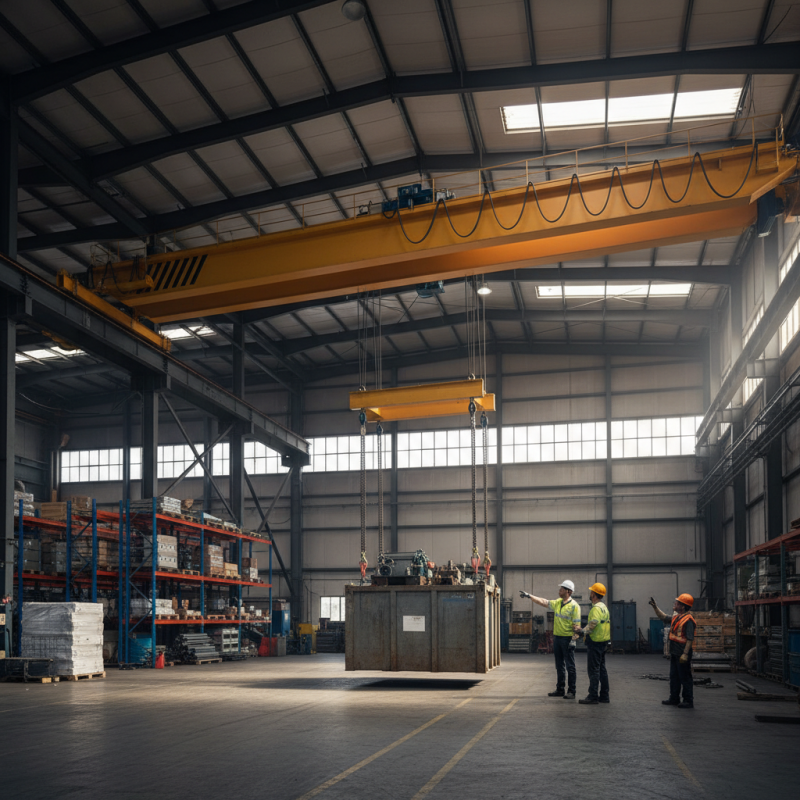
A lifting beam is a vital piece of equipment used in material handling. It serves as a bridge between a load and the lifting device, such as a crane. This tool helps to spread the load more evenly. By doing so, it reduces the risk of accidents and minimizes stress on both the load and the lifting machinery. The design typically includes several attachment points, allowing for versatile lifting arrangements.
When selecting a lifting beam, consider its capacity and length. Ensure it matches the weight and dimensions of the load. Inspecting the beam regularly is crucial. Wear and tear can create safety hazards. It's important to choose a lifting beam that can withstand various conditions, including heavy-duty applications.
Tips: Always double-check the lifting beam's ratings before use. Consult with a material handling expert if unsure about specifications. Additionally, train all operators on proper techniques. Even minor mistakes can lead to severe consequences. Keeping safety and efficiency in mind is essential when using this equipment.
Key Components of a Lifting Beam and Their Functions
A lifting beam is a vital tool in material handling. Its design distributes weight evenly. This helps prevent accidents while lifting heavy loads. Understanding the key components of a lifting beam enhances safety and efficiency.
The primary component of a lifting beam is the beam itself. Made from strong materials, it withstands heavy weights. The hooks are crucial too. They secure the load, ensuring stability during lifts. Additionally, slings or chains connect the load to the beam. These elements work together to provide a safe lifting solution.
Tips: Regularly inspect the lifting beam for wear and tear. Look for cracks or deformities. This ensures reliable performance. Also, be mindful of the load limit. Overloading can lead to serious accidents. Proper training for operators enhances safety further.
What is a Lifting Beam and How Does It Work? - Key Components of a Lifting Beam and Their Functions
| Component |
Function |
Material |
Load Capacity |
| Lifting Beam |
Supports loads and provides stability |
Steel |
5 tons |
| Lifting Hooks |
Attach the load securely |
High-strength alloy |
3 tons |
| Slings |
Distribute weight of the load evenly |
Synthetic fiber |
2 tons |
| Safety Latches |
Prevent accidental release of load |
Steel |
N/A |
| Load Cells |
Measure the weight of the load |
Aluminum |
Up to 10 tons |
How Lifting Beams Enhance Load Distribution and Stability
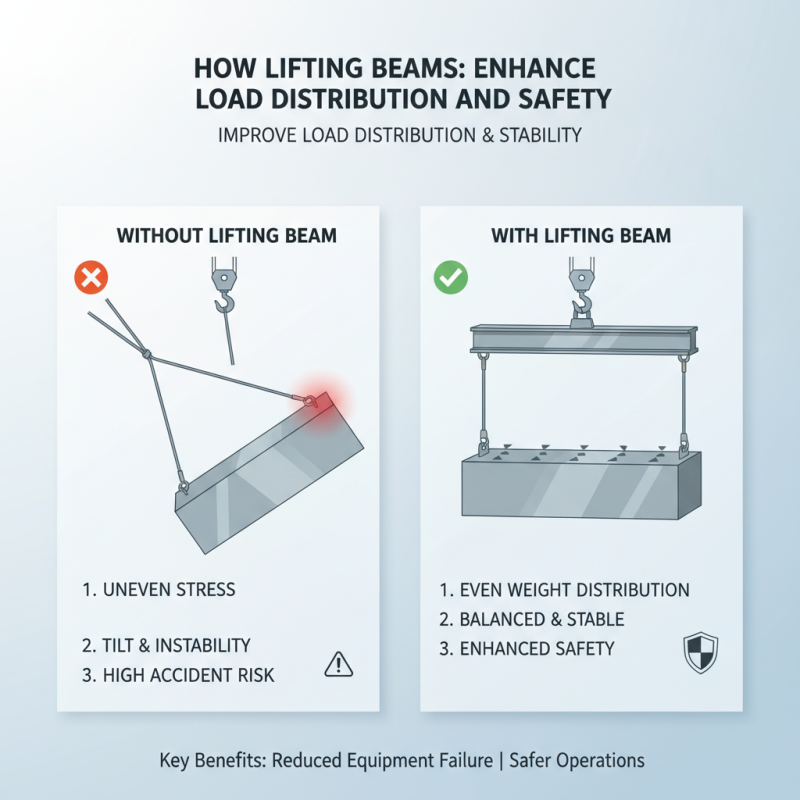
Lifting beams play a crucial role in improving load distribution during lifting operations. When loads are attached to multiple points, these beams help to evenly distribute weight. This reduces the risk of uneven stress, which can lead to accidents or equipment failure. A well-designed lifting beam creates a balanced lifting point, ensuring stability.
Using lifting beams enhances safety and efficiency. They allow for the lifting of heavy or awkwardly shaped loads without risking tipping or swaying. The design accommodates various load sizes and shapes, making them versatile tools. However, improper use or inadequate understanding of weight limits can lead to potential issues. It's essential to regularly inspect and maintain lifting beams for optimal performance.
Real-world applications showcase their importance. In construction, a lifting beam is often employed to secure heavy beams or panels. The beam’s ability to stabilize these loads is vital for safe installation. Yet, operators must be aware of the load capacity to avoid overloading situations. Knowledge and training in using this equipment are essential for operational safety.
Applications of Lifting Beams in Various Industries
Lifting beams are essential tools used across various industries. They provide a safe and efficient way to lift heavy loads. In construction, they assist in moving steel beams and large building materials. With a lifting beam, workers can ensure balance and stability, reducing the risk of accidents. In manufacturing, these devices are crucial for assembling machinery and moving heavy parts. Workers can quickly reposition heavy items with precision.
The logistics industry also benefits significantly from lifting beams. They streamline the loading and unloading process. By allowing for multiple points of lift, the beams enhance safety and efficiency. However, proper training is vital. Misuse can lead to serious accidents. Operators must understand load limits and proper rigging techniques. Awareness of potential hazards is necessary for safe operation.
In the entertainment sector, lifting beams have a unique application. They support heavy stage equipment and lighting fixtures. The controlled lifting helps set up complex displays safely. Yet, even in this environment, attention to detail is crucial. Regular inspections and maintenance of the lifting equipment are required to avoid failures. Adapting to each project’s specific needs is essential for optimal safety and function.
Safety Standards and Best Practices for Using Lifting Beams
When using lifting beams, safety standards play a critical role. Proper inspection and maintenance are essential before any lifting operation. Ensure all components, such as hooks and slings, are in top condition. Regular checks help avoid mechanical failures and accidents.
Tips: Always verify the weight capacity of your lifting beam. Overloading can lead to catastrophic failures. It is crucial to have trained personnel operate the equipment. Training reinforces the importance of following safety protocols. An untrained operator may overlook basic safety checks, resulting in injuries.
Communication is vital on the job site. Ensure everyone understands hand signals and emergency procedures. This reduces confusion during operations. Additionally, using colored tags on equipment can indicate its safe status. Mixing up signals or tags could lead to serious risks. Aim for clarity in all operations, and prioritize a culture of safety.
Lifting Beam Load Capacity Analysis
This bar chart illustrates the load capacity of different lifting beams, showcasing how the capacity varies among various models. Understanding these capacities is crucial for ensuring safety and efficiency in lifting operations.