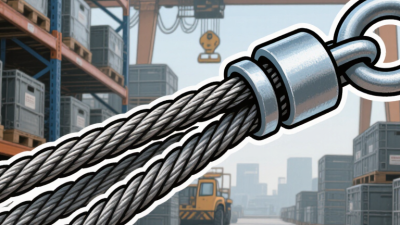
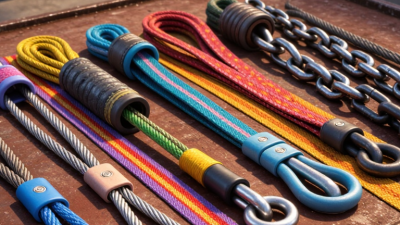
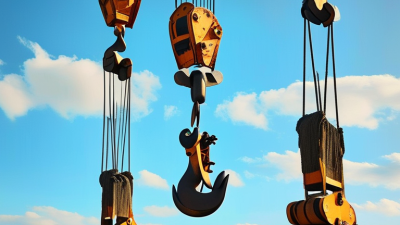
How to Choose the Right Wire Rope Sling?
Choosing the right wire rope sling begins with a clear understanding of the lift, not the sling’s appearance. A polished sling may still have hidden damage. A heavy sling may still be unsuitable. The load weight, center of gravity, lifting angle, hitch type, and connection points must work together. Small details matter, especially where the rope bends around a sharp edge.
Dr. Andreas Feyrer, a respected wire-rope researcher, offers a useful engineering reminder: “Treat wire rope as a machine, not merely as a rope.” That principle changes the inspection process. A wire rope sling has moving strands, internal friction, fittings, and specific working limits. It reacts to heat, abrasion, crushing, corrosion, and repeated bending. Ignore one factor, and the selection can become unsafe.
This guide examines how to match sling construction, diameter, length, and end fittings with real lifting conditions. It also considers vertical, basket, and choker hitches, because each arrangement changes capacity. Sling angle deserves special attention. As the angle decreases, leg tension increases quickly. A 60-degree lift does not behave like a 30-degree lift.
Field experience also teaches humility. Even trained crews can overlook a small broken wire beneath a dirty sleeve. A calculation can look correct on paper, yet fail to reflect an uneven load or poor edge protection. The safest choice combines manufacturer data, competent inspection, accurate load information, and honest judgment. When uncertainty remains, stop the lift and verify the details.
Understanding Wire Rope Sling Types and Their Construction
How to Choose the Right Wire Rope Sling?
Understanding Wire Rope Sling Types and Their Construction
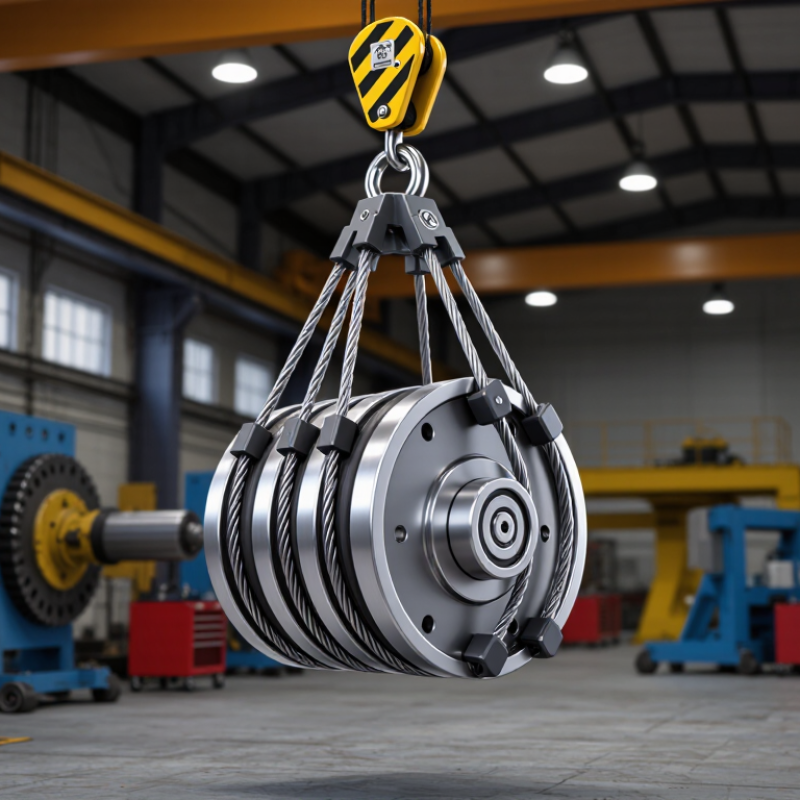
Wire rope slings differ by construction, flexibility, and resistance to abrasion. A standard single-part sling suits many vertical lifts. Braided slings provide better flexibility around irregular loads. Multi-leg assemblies improve balance, but each leg must share the load correctly. I would not choose by diameter alone.
Each sling combines wire strands, a rope core, and end fittings. Fiber cores bend easily, while independent wire rope cores tolerate greater heat and crushing. Eye-and-eye slings work well with hooks and shackles. Endless slings wrap around loads, but sharp edges still require corner protection. A small flaw here matters.
The rated capacity depends on hitch type, sling angle, diameter, termination, and loading condition. A 30-degree horizontal angle creates higher leg tension than a 60-degree angle. The U.S. Occupational Safety and Health Administration requires identification markings and inspections for alloy steel chain slings; wire rope sling users should apply the same disciplined approach under applicable lifting standards. ASME B30.9 also emphasizes inspection, safe operating practices, and removal criteria.
HSE’s 2023/24 workplace fatality report recorded 138 worker deaths in Great Britain. That figure does not isolate sling failures, but it shows why lifting controls cannot be casual. Inspect for broken wires, bird-caging, crushed sections, heat damage, and distorted fittings. Do not trust appearance alone. An experienced rigger checks the certificate, load geometry, angle, and environment before lifting. Recheck after the first tensioning.
Assessing Load Requirements, Angles, and Working Load Limits
How to Choose the Right Wire Rope Sling?
Choosing a wire rope sling starts with the real load, not an estimate. Record the load’s weight, shape, lifting points, and center of gravity. A 2,000-kilogram load may create higher forces when it shifts or swings. Do not rely only on the sling tag. Confirm the working load limit (WLL) for the exact configuration, hitch type, and angle.
Angles matter more than many lifting plans suggest. A two-leg sling at a 60-degree angle usually carries less tension than one at 30 degrees. As the angle becomes narrower, leg tension rises quickly. For example, each leg may experience approximately 1.0 times the load at 60 degrees, but about 2.0 times the load at 30 degrees. Keep sling legs evenly loaded. Unequal loading can overload one leg without obvious warning.
Inspect the rope before use. Look for broken wires, crushed sections, corrosion, heat damage, and distorted eyes. Protect the rope from sharp edges with suitable padding. The contact point should not become a cutting point. I have seen neat calculations fail because the load’s center of gravity was assumed incorrectly. Recheck the lift path, clearance, and landing surface with a competent person. Leave room for human error.
How to Choose the Right Wire Rope Sling?
Assessing load requirements, sling angles, and working load limits
This chart shows the theoretical combined capacity of a two-leg sling based on a 5,000 lb vertical working load limit per leg. The calculation uses the geometric factor 2 × cos(angle from vertical). As the sling angle increases, the tension in each leg rises and the allowable combined load decreases. Actual working load limits must also account for rope diameter, construction, hitch type, fittings, inspection condition, and the applicable lifting standard.
Selecting Suitable Materials, Configurations, and End Fittings
How to Choose the Right Wire Rope Sling?
Selecting Suitable Materials, Configurations, and End Fittings
Material choice should match the lifting environment. Galvanized wire rope resists moisture better than bright rope. Stainless steel may suit corrosive areas, but it is not automatically stronger. Check the required working load limit, rope diameter, core construction, and temperature range. Synthetic coatings can reduce surface damage, yet they may hide broken wires during inspection. That trade-off deserves attention.
Configuration affects both capacity and control. A vertical single-leg sling gives a direct lift. A basket configuration can provide greater capacity when both legs support the load evenly. A choker arrangement grips the load, but its capacity may decrease as the angle tightens. Two-leg and four-leg slings require balanced loading. Uneven weight can overload one leg quickly. Keep sling angles clear and calculate them with a qualified lifting professional.
End fittings should match the connection point and load direction. Eye fittings work with compatible hooks or shackles. Master links suit multi-leg assemblies. Safety-latch hooks help prevent accidental release, but they cannot correct side loading. Inspect hooks for deformation, cracks, worn latches, and sharp contact points. A common field mistake is choosing a fitting by opening size alone. Pin diameter, throat shape, load alignment, and compatibility matter too. I would also recheck the load’s center of gravity; estimates are often imperfect. Follow the sling manufacturer’s rated tables and applicable lifting standards before use.
Checking Safety Standards, Inspection Criteria, and Compatibility
How to Choose the Right Wire Rope Sling?
A wire rope sling should match the load, lifting method, and working environment. Start by checking its rated capacity, rope construction, length, and end fittings. Never select a sling by appearance alone. A thick sling may still have hidden damage or an unsuitable configuration. The working load limit must reflect sling angles, hitch type, and uneven loading.
Safety standards provide the foundation for selection and use. Confirm that the sling is identified with capacity, size, material, and inspection information. Follow applicable lifting regulations and recognized industry standards. Before each use, inspect for broken wires, crushed sections, kinks, birdcaging, corrosion, heat damage, and distorted eyes. Look closely near sockets and fittings. Small flaws matter. Remove a sling from service when damage exceeds the permitted limits. A qualified person should make that decision, not guesswork.
Compatibility deserves equal attention. The rope, hooks, shackles, lifting points, and load edges must work together. Sharp corners can cut or bend the rope, so use suitable corner protection. Check whether chemicals, heat, moisture, or repeated bending may weaken the sling. In field inspections, I have learned that clean surfaces can hide internal problems. A checklist helps, but it cannot replace experience. I also admit that inspection judgments are not always perfect; unclear damage should lead to a cautious review by a competent inspector. Fit is not guesswork.
Choosing, Using, and Maintaining the Sling for Reliable Lifting
How to Choose the Right Wire Rope Sling?
Choosing a wire rope sling begins with the load, not the sling rack. Confirm the load weight, lifting points, shape, and center of gravity. Then select a sling with a suitable working load limit. The lifting angle matters. A shallow angle can reduce sling capacity sharply. Check the identification tag before every lift. It should show size, length, construction, and rated capacity. Never rely on memory.
In daily use, keep the sling aligned with the load. Avoid sudden tension, dragging, and side loading. Use edge protection when sharp steel contacts the rope. A basket hitch, vertical hitch, or choker hitch changes the sling’s capacity. The connection must sit naturally. Twisted legs are a warning. So is uneven tension.
Inspect the sling before and after lifting. Look for broken wires, crushed sections, kinks, corrosion, heat damage, and distorted fittings. I once focused on the hook and missed a small flattened area near the eye. That mistake changed how I inspect equipment. Remove damaged slings from service and ask a competent person for a documented decision. Store slings off the ground, away from moisture and chemicals. Keep them loosely hung, never tightly coiled around sharp objects. Follow the manufacturer’s instructions, site procedures, and applicable lifting standards every time.