Best Wire Rope Sling Options for Your Next Project?
In construction and industrial applications, choosing the right equipment is crucial. Wire rope slings are widely recognized for their strength and versatility. According to a report from the Occupational Safety and Health Administration (OSHA), proper selection and use of lifting gear can reduce accidents by over 40%. Wire rope slings play a key role in these safety measures.
More than just foundational tools, wire rope slings are designed to support heavy loads. They are used extensively in industries such as construction, manufacturing, and shipping. Data from the American National Standards Institute (ANSI) highlights that wire rope slings can typically handle loads twice their weight rating if used properly. However, improper handling and maintenance can lead to failure—a significant risk in any project.
When selecting wire rope slings, several factors must be considered. Load capacity, environmental conditions, and application type are critical. Each decision must reflect careful consideration of safety standards and operational needs. In a world where safety and efficiency are paramount, choosing the best wire rope sling becomes essential for success. Understanding these elements will ensure effective project execution while reflecting an awareness of potential pitfalls.

Types of Wire Rope Slings: A Comprehensive Overview
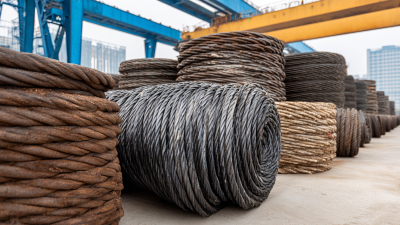
Wire rope slings are essential tools in various industries, known for their durability and strength. They come in different types to suit specific applications. The most common types include single leg, double leg, and eye & eye slings. Each type is designed to handle distinct load requirements and lifting conditions.
According to industry reports, wire rope slings can bear up to 8 tons for a single leg configuration. However, this strength depends on factors like diameter and construction grade. For instance, a ¾ inch wire rope sling typically supports loads more efficiently than thinner options. Regular inspections and maintenance are critical. Even minor frays can compromise structural integrity, so keep an eye on wear and tear.
Tip: Always match the sling type to the load's weight and shape. It helps ensure safety during lifting. In addition, consider using slings with coatings for increased rust resistance. This can prolong the life of the sling, especially in harsh environments. Prioritize quality over cost; a cheap sling may lead to more significant expenses down the line if it fails.
Key Factors to Consider When Choosing Wire Rope Slings
When selecting wire rope slings for your project, several key factors matter greatly. The load capacity is crucial. According to industry standards, wire rope slings can range from 1 ton to over 200 tons of capacity. Choosing a sling that can handle the intended load ensures safety and efficiency. Using a sling rated for less than your load can lead to failure, posing significant risks.
The environment in which the sling will be used is another important factor. Factors like weather conditions, exposure to chemicals, and temperature fluctuations can affect the performance of wire rope slings. Studies show that slings exposed to extreme conditions may degrade faster, reducing their lifespan. It's vital to assess whether slings will be used indoors or outdoors. Additionally, regular inspections are necessary to identify any wear or damage, which can often go unnoticed but can impact reliability.
The configuration and length of the sling must also be considered. A shorter sling may provide better control during lifting, while a longer sling can help distribute the load more evenly. Striking the right balance is essential. Data from safety reports highlights that improper sling length and configuration account for numerous accidents in the field. Therefore, careful planning and consideration will lead to safer practices and project success.
Best Wire Rope Sling Options for Your Next Project
This chart illustrates the comparison of three key dimensions of wire rope slings: Diameter (in mm), Load Capacity (in tons), and Weight (in kg). These factors are essential to consider when selecting the right wire rope sling for your project.
Advantages of Wire Rope Slings Over Other Sling Types
Wire rope slings offer several distinct advantages over other types of slings. One significant benefit is their high strength-to-weight ratio. According to a report by the Industrial Sling and Rigging Association, wire rope slings can support loads up to 10 times greater than comparable synthetic slings. This makes them a preferred choice in heavy lifting applications, such as construction and shipping industries.
Another advantage is their resistance to abrasion and extreme temperatures. Wire rope slings can withstand harsh working conditions. They are not easily damaged by sharp edges or rough surfaces. A study by the American Society of Mechanical Engineers highlights that wire rope slings maintain their integrity better than other slings when exposed to hazardous environments. Their durability allows for longer service life, reducing costs associated with frequent replacements.
However, wire rope slings also come with challenges. They require regular inspections to identify wear and tear. Over time, they can develop metal fatigue, which might go unnoticed until significant damage occurs. Additionally, they can be heavier and more difficult to handle compared to synthetic options. Users must weigh the advantages against these obstacles. Understanding these factors can result in better decision-making for specific applications.
Best Wire Rope Sling Options for Your Next Project
| Sling Type |
Load Capacity (tons) |
Length (feet) |
Breaking Strength (lbs) |
Advantages |
| Wire Rope Sling |
6 |
10 |
12,000 |
High strength, abrasion resistant |
| Synthetic Sling |
5 |
8 |
10,000 |
Lightweight, flexible |
| Chain Sling |
10 |
12 |
20,000 |
Durable, high heat resistance |
| Round Sling |
4 |
6 |
8,000 |
Versatile, minimal damage to load |
| Web Sling |
3 |
10 |
6,000 |
Cost-effective, lightweight |
Safety Standards and Regulations for Wire Rope Slings
When selecting wire rope slings, adherence to safety standards is paramount. According to the Occupational Safety and Health Administration (OSHA), slings must meet specific criteria for strength and durability. A significant statistic from the American National Standards Institute (ANSI) indicates that over 80% of sling-related accidents occur due to improper use or lack of compliance with these standards. This underlines the importance of ensuring workers are trained adequately in sling operation and care.
Furthermore, the American Society of Mechanical Engineers (ASME) outlines regulations for wire rope slings. Most notably, they require slings to be inspected regularly for wear, corrosion, and other damaging factors. Each sling should be marked with its rated capacity to ensure that users can easily identify safe load limits. The failure to follow these guidelines can lead to equipment failure, which may result in severe injuries or fatalities on the job.
While many companies prioritize compliance, some still overlook these regulations. There is often a gap between understanding and implementation. Recognizing the importance of signage, training, and consistent safety checks can be challenging. Yet, investing in these areas is crucial for a safe work environment. An emphasis on fostering a culture of safety can diminish risks associated with wire rope slings.
Maintenance Tips for Prolonging the Life of Wire Rope Slings
Maintaining wire rope slings is crucial for safety and longevity. Regular inspections should focus on identifying breaks and abrasions. According to the American Society of Mechanical Engineers, nearly 20% of accidents involving slings arise from improper maintenance practices. This highlights the need for a proactive approach.
Lubrication is essential. Keeping the wire strands properly lubricated helps reduce friction and wear. Industry experts recommend specific lubricants that penetrate and protect. However, many workers overlook this task. Inadequate lubrication can lead to premature sling failure.
Proper storage also contributes to sling longevity. Slings should be stored in a dry, cool place, free from exposure to sunlight and moisture. A study by the Occupational Safety and Health Administration found that improper storage can increase the risk of corrosion. Regular training on these practices is important. Many crews still lack awareness of the impact of neglecting routine maintenance.