How to Choose the Right Steel Rope for Your Needs?
Choosing the right steel rope can be challenging. The options are vast, and knowing where to start is crucial. Steel rope is used in various applications, from construction to outdoor activities. Selecting the right type ensures safety and efficiency.
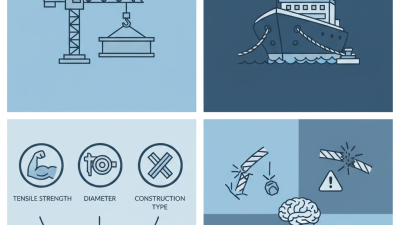
Consider the specifications. Different ropes serve different purposes. Factors like diameter, tensile strength, and construction type matter significantly. You may need a thicker rope for heavy lifting or a more flexible option for intricate tasks. Check the intended use carefully.
Many users overlook maintenance and care. Understanding how to maintain your steel rope can extend its lifespan. Regular inspections can prevent accidents. Choosing wisely not only affects performance but also impacts safety for yourself and others. Make an informed decision; your work depends on it.
Understanding the Different Types of Steel Ropes Available
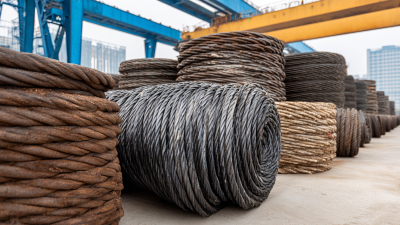
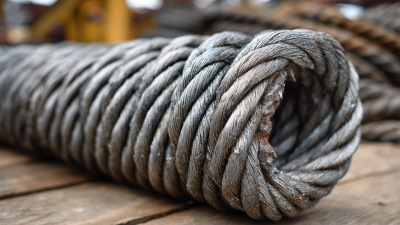
When choosing the right steel rope, it’s essential to understand the different types available. Steel ropes are often categorized by construction type and intended use. Common types include single-strand, braided, and wire ropes. Each offers unique strengths and applications. For example, single-strand ropes are easy to handle but may lack flexibility. Braided ropes, on the other hand, provide excellent tensile strength and flexibility, making them ideal for various situations.
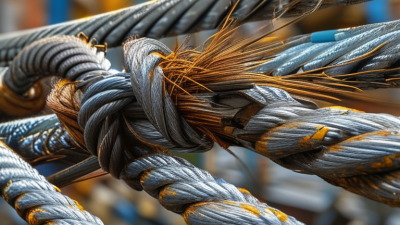
Material quality also plays a vital role. High carbon steel is often used for its durability. However, choosing the wrong rope could lead to safety hazards. If a rope isn't rated for the load it will carry, it may break under pressure. It's crucial to assess both the rope's diameter and its breaking strength. Visual inspection is necessary as wear can make ropes less reliable.
One common challenge is balancing cost and quality. Cheaper ropes may not perform well, leading to premature replacement. This can lead to frustration and extra costs in the long run. Experimenting with different types might help find the right fit for specific tasks. Reflect on your needs and usage patterns; the goal is to find a rope that performs well without overspending. Ideally, you want a solution that combines reliability and value.
Evaluating the Load Capacity and Strength Requirements for Your Project
Choosing the right steel rope requires careful evaluation of load capacity and strength. Different projects demand specific parameters based on the application. For example, a construction project with heavy lifting may need ropes that can support up to 10 tons. Understanding the type of stress the rope will endure is vital. Static loads exert constant tension, while dynamic loads can produce varying forces that strain the rope differently.
When assessing load capacity, it’s crucial to consider the safety factor. Generally, a safety factor of 5:1 is advised for lifting applications. This means if you are lifting 1000 kg, the rope should handle at least 5000 kg. This provides a buffer for unexpected forces. Often, ropes are tested and rated under controlled conditions, but real-world scenarios can differ drastically. A rope rated for a specific load may fail if not properly inspected over time.
Evaluate the environment. Corrosive or abrasive conditions can weaken steel ropes, requiring more frequent replacement or different materials. Regular inspection is essential to ensure reliability. Factors like wear, rust, and fraying can significantly impact performance.
For optimal choices, thorough knowledge of your project’s demands is critical. Consider consulting industry reports and data from standards organizations. This can guide your selection process effectively. Being well-informed can help prevent costly mistakes and ensure safety on site.
Considering Environmental Factors Affecting Steel Rope Performance
When selecting the right steel rope, it is crucial to consider environmental factors. High humidity can lead to rust and corrosion, significantly degrading performance. Ensure you choose a steel rope specifically designed to withstand such conditions. Coatings, like galvanized or stainless steel, can offer enhanced protection. However, they may not eliminate all risks. Regular inspections are necessary to detect early signs of corrosion.
Extreme temperatures also affect steel rope integrity. In cold climates, the rope's flexibility may diminish, increasing the risk of breakage. Conversely, excessive heat can weaken the steel, making it prone to failure. Always account for the operating environment when making your selection.
Moreover, exposure to chemicals should not be overlooked. Certain substances can compromise the material, leading to unexpected failures. Be aware of the potential contaminants in your working area. Testing your steel rope for compatibility with these environments can be an effective preventative measure. Remember, even with the right materials, environmental challenges can still pose risks, emphasizing the need for cautious evaluation and routine maintenance.
Selecting the Right Diameter and Length for Your Steel Rope Needs
When selecting the right diameter and length for your steel rope, several factors come into play. The diameter of the rope impacts its strength and flexibility. Generally, thicker ropes can withstand higher loads. However, they may also require more strength to handle and maneuver. Consider the specific weight you’ll be lifting. A balance between diameter and ease of use is crucial.
Length is another essential factor. A longer rope allows for greater reach but adds weight and may complicate storage. Think about the application. For overhead lifting, too much excess can lead to tangling and safety issues. On the other hand, a length that’s too short can limit your operations. Measure your working space carefully to determine the ideal length.
There might be moments when adjustments are needed. Sometimes, you may choose a thicker rope when a thinner one suffices. Other times, a shorter length could be just right. It’s essential to remain flexible and willing to reassess your choices as projects progress. Each job can present unique challenges requiring different specifications that should not be overlooked.
Assessing Quality and Compliance Standards for Steel Rope Selection
When selecting the right steel rope, understanding quality and compliance standards is essential. According to industry reports, 70% of accidents involving lifting equipment stem from improper rope selection. Steel ropes must meet specific standards, like those established by ASTM and ISO. These standards ensure the ropes have been thoroughly tested for strength, durability, and safety.
Another crucial factor is the wire rope classification. Ropes are rated based on their construction and intended use. A study from the Wire Rope Association highlights that ropes should be inspected regularly. Evaluation criteria include fatigue resistance, corrosion resistance, and flexibility. A rope that doesn't meet these criteria can lead to severe safety hazards.
Many users underestimate the importance of certification. Using ropes that comply with recognized standards can enhance productivity and safety. However, the market is saturated with options that may not fulfill these requirements. Awareness of certification and ongoing compliance is necessary for effective selection and usage. Always prioritize due diligence in assessing suppliers and their product offerings.