How to Choose the Right Steel Cable for Your Project?
Choosing the right steel cable for your project can be daunting. With various types and specifications available, the decision requires careful consideration. Factors like load capacity, durability, and environment play a crucial role in this process.
Steel cables are essential in construction, rigging, and industrial applications. Their strength and flexibility make them versatile solutions for many needs. However, not all steel cables are created equal. Selecting the wrong type can lead to failures, accidents, or costly delays. Thus, understanding the specific requirements of your project is key.
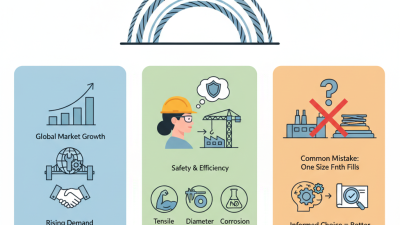
When evaluating steel cables, think about the material quality and intended use. Factors such as tensile strength, corrosion resistance, and diameter are crucial aspects to consider. It’s easy to overlook these details, but doing so can impact safety and performance. Reflect on your project’s unique demands to ensure you make the best choice.
Understanding Different Types of Steel Cables and Their Uses
Choosing the right steel cable involves understanding various types and their specific uses. For instance, general-purpose steel cables are versatile and widely used in construction. They can support heavy loads, making them suitable for lifting and rigging tasks.
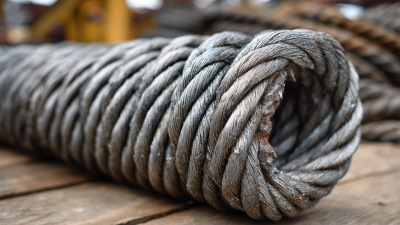
Another type is the wire rope, which consists of multiple strands twisted together. This design enhances strength and flexibility. Wire ropes are often used in elevators and cranes. However, they can be more expensive and may require regular maintenance.
Spring steel cables are ideal for applications needing elasticity. They are often found in automotive and industrial settings. While they offer high performance, it's essential to weigh their cost against your project’s budget. Misjudging your needs can lead to costly mistakes. Always assess the specific requirements and environments before making a selection.
Evaluating Load Capacity and Strength Requirements for Your Project
Evaluating the load capacity and strength requirements for your project is crucial when selecting the right steel cable. Start by determining the maximum load the cable must support. This includes both static and dynamic loads. Think about how much weight the cable will bear during regular use. It’s important to factor in safety margins. You never want to push the limits.
Consider the environment where the steel cable will be used. Will it be exposed to extreme temperatures or corrosive elements? These conditions can affect the cable’s strength significantly. The thickness and material of the cable influence its durability as well. A thicker cable generally supports greater loads, but also adds weight. Sometimes, heavier isn't always better.
You should also evaluate the installation method. Will the cable be used in a straight line or require bends? Such configurations could impact load distribution. Keep in mind that the cable’s strength can degrade over time. Regular inspections can reveal wear that may not be initially visible. Balancing strength with practical considerations is essential for any project.
Assessing Environmental Factors and Coatings for Durability
When selecting a steel cable, evaluating environmental factors and coatings is essential for ensuring durability. Different environments can affect steel cables significantly. For example, coastal areas with high humidity and salt exposure can lead to corrosion. Consider the environment where the cable will be used.
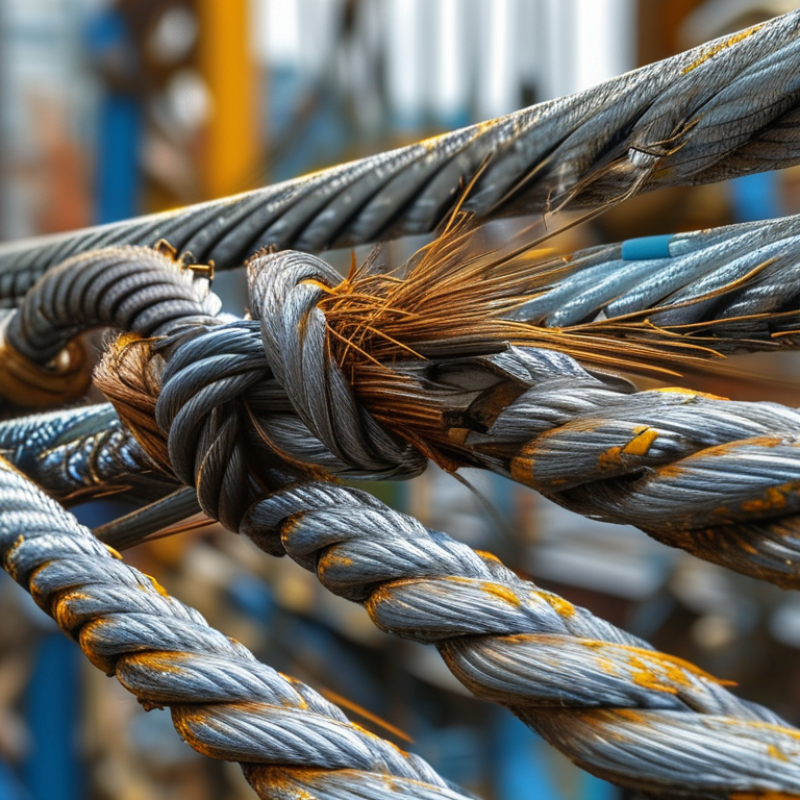
Coatings can provide added protection. Options like PVC or polyurethane can shield against harsh conditions. These coatings minimize wear and extend the cable’s lifespan. However, remember that not all coatings are created equal. Over time, some may degrade, losing effectiveness. Regular inspection is key to maintaining performance.
Tips: Choose the right coating for specific conditions. Opt for galvanized steel for added rust resistance. Always check for signs of wear, as early intervention can prevent larger issues. Understand that environmental factors are dynamic; adjust your choices accordingly. A reflective approach can ultimately improve the lifespan and efficacy of your steel cable.
Choosing the Right Diameter and Length for Your Steel Cable
Choosing the right diameter and length for your steel cable is crucial for project success. The diameter directly affects strength and flexibility. For instance, cables with a diameter of 1/4 inch can carry approximately 1,200 pounds of weight. However, the right choice also depends on application needs. A 3/16 inch cable might be suitable for lighter loads but could be a risky choice for heavy lifting.
Length plays a big role, too. Measure the distance the cable needs to cover while accounting for any bends or loops. Common errors include underestimating the length or overestimating. A recent industry survey found that 25% of project delays were due to improper cable sizing. No project manager wants that kind of setback.
Consider environmental factors. Exposure to moisture or extreme temperatures can weaken cables over time. Always check if the chosen diameter and length will hold up under specific conditions. Using a cable that is too thin or short might work initially, but it can lead to failure. Choosing wisely today ensures project longevity.
Reviewing Installation Methods and Accessories for Steel Cables
When selecting installation methods for steel cables, it’s crucial to consider various accessories. Different projects require distinct solutions. For example, using the right clamps can significantly impact the cable's tension and safety. High-quality clamps help prevent slippage and ensure reliable support.
Using protective sleeves is essential as well. These sleeves can prevent abrasion, especially in areas where the cable may rub against rough surfaces. By adding these accessories, the lifespan of the cable can be extended. Ensure that all accessories are compatible with the cable size and material to avoid future issues.
Tips: Always double-check your cable installation before finalizing. Small mistakes in the setup can lead to larger problems down the line. If unsure, consult with a professional. They can offer insights that save you time and money. Don’t overlook the installation's environmental factors. Temperature changes can affect the cable's performance.
How to Choose the Right Steel Cable for Your Project? - Reviewing Installation Methods and Accessories for Steel Cables
| Cable Type |
Diameter (mm) |
Breaking Strength (kg) |
Installation Method |
Common Accessories |
| 7x7 Wire Rope |
4 |
700 |
Crimping |
Swage Fittings, Thimbles |
| 7x19 Wire Rope |
6 |
1100 |
Splicing |
Cable Clamps, Eye Terminals |
| Fiber Core Wire Rope |
8 |
1300 |
Direct Lifting |
Pulleys, Hooks |
| Wire Rope Sling |
10 |
1800 |
Looped Ends |
Sling Protectors, Lifting Shackles |