Choosing the best chain sling in 2026 requires more than comparing prices or polished product photographs. Global buyers need dependable lifting equipment, clear documentation, and suppliers who understand real jobsite pressure. A chain sling may look simple, yet its safety depends on chain grade, working load limit, hook design, master links, and correct assembly.
Experienced buyers inspect markings before approval. They check the manufacturer’s identity, rated capacity, heat treatment records, inspection procedures, and test certificates. They also confirm whether the sling matches local workplace requirements and recognized lifting standards. Documentation matters.
A serious supplier should explain how each chain sling is manufactured, tested, inspected, and traceable from production to delivery. Photos of a stamped grade mark can be useful, but they are not enough. Independent inspection may provide greater confidence, especially for large orders or unfamiliar factories. Small details reveal quality: smooth welds, readable tags, secure hooks, and protective packaging that prevents corrosion during ocean transport.
Cost still matters. It should not lead the decision.
Buyers should compare total value, including service life, replacement access, training support, and after-sales response. A low quotation can become expensive when certificates are incomplete or dimensions are wrong. I have seen specifications copied too quickly, with sling length or lifting angles misunderstood. That is a weakness worth acknowledging.
This guide examines practical criteria for selecting a reliable chain sling in 2026. It considers performance, supplier credibility, customization, inspection, and international purchasing risks. The goal is not to promote one universal product. Applications differ. A workshop, port, construction site, and offshore facility may require very different solutions.
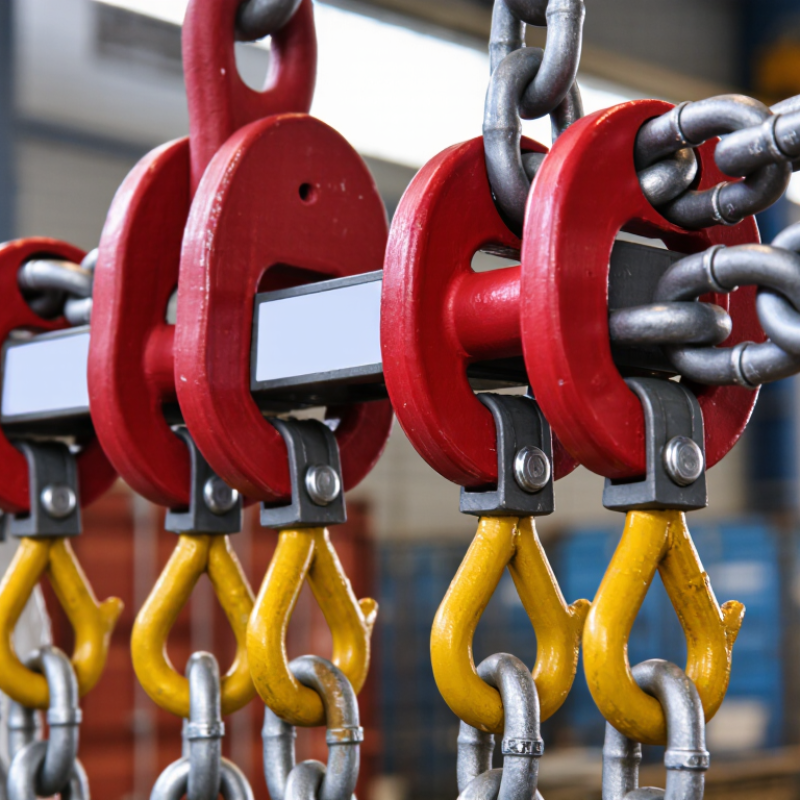
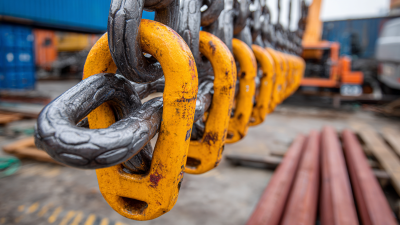
A chain sling is a lifting assembly made from alloy steel chain, master links, hooks, and identification tags. It connects a crane or hoist to a load. Common applications include moving machinery, steel frames, pipes, and heavy components. Chain slings suit rough environments because they resist heat, abrasion, and sharp contact better than many soft lifting products. They remain heavy tools, not casual accessories.
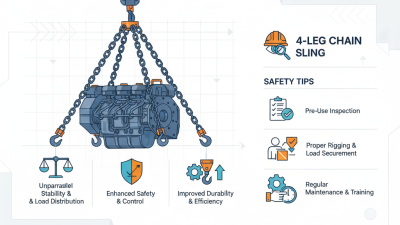
The working load limit depends on chain size, grade, leg number, hitch type, and sling angle. A wider angle increases tension in each leg. The exact limit must come from the tag and verified lifting data. Never estimate it by appearance. Before use, a competent person should check for stretched links, cracks, bent hooks, damaged latches, severe wear, and unreadable tags. Small defects matter.
Storage also affects reliability. Keep slings dry, clean, and away from corrosive chemicals. Do not drag them across concrete or shock-load a suspended item. The load should stay balanced, with hooks seated correctly and no twisted chain. In practice, buyers sometimes focus on price and overlook inspection records or traceability. That deserves reflection. A lower initial cost may become expensive after one preventable lifting failure. Global buyers should request clear specifications, test documentation, and guidance that matches their operating conditions and local safety requirements. Supplier claims should be checked against measurable evidence.
A chain sling is a lifting assembly made from alloy steel chain and compatible connecting components, such as master links, coupling links, hooks, and shortening devices. It is used to attach, lift, position, and move heavy loads with cranes, hoists, and other approved lifting equipment.
| Data Dimension | Reference Option | Typical Specification or Capacity | Common Application | Important Selection Consideration |
|---|---|---|---|---|
| Chain Grade | Grade 80 alloy steel | Minimum breaking force and working load limit depend on chain diameter and applicable standard. | General industrial lifting, fabrication, maintenance, and material handling | Use only components with compatible grade, size, working load limit, and certification. |
| Chain Grade | Grade 100 alloy steel | Usually provides a higher working load limit than Grade 80 at the same nominal diameter, subject to the manufacturer’s certified data. | Higher-capacity lifting where reduced chain size or weight is beneficial | Do not substitute Grade 100 components into a sling unless the complete assembly is rated and approved for that configuration. |
| Nominal Chain Diameter | 6 mm, Grade 80, single-leg vertical lift | Approximately 1.12 metric tonnes WLL | Light-duty lifting and compact assemblies | Capacity is reduced by choking, angle, edge contact, heat, wear, and other conditions. |
| Nominal Chain Diameter | 8 mm, Grade 80, single-leg vertical lift | Approximately 2.00 metric tonnes WLL | General workshop and plant lifting | Confirm the actual WLL stamped on the identification tag or supplied certificate. |
| Nominal Chain Diameter | 10 mm, Grade 80, single-leg vertical lift | Approximately 3.15 metric tonnes WLL | Machinery, structural steel, and industrial components | Inspect hooks, links, and chain as part of the complete sling assembly. |
| Nominal Chain Diameter | 13 mm, Grade 80, single-leg vertical lift | Approximately 5.30 metric tonnes WLL | Heavy machinery and steel fabrication | Use edge protection where the chain may contact sharp corners or small-radius edges. |
| Nominal Chain Diameter | 16 mm, Grade 80, single-leg vertical lift | Approximately 8.00 metric tonnes WLL | Heavy industrial and construction lifting | Check crane capacity, lifting points, load stability, and the full path of travel. |
| Nominal Chain Diameter | 20 mm, Grade 80, single-leg vertical lift | Approximately 12.50 metric tonnes WLL | Large structural and heavy-equipment lifting | A qualified person should verify the complete lift plan and accessory compatibility. |
| Sling Configuration | Single-leg vertical hitch | Reference factor: 1.00 × single-leg WLL | Loads with a suitable, centered lifting point | The lifting point must be aligned with the load’s center of gravity. |
| Sling Configuration | Single-leg choker hitch | Common reference factor: 0.80 × vertical WLL | Bundled pipes, bars, beams, and loads that can be securely choked | The choker angle, load shape, surface condition, and tightening effect can reduce capacity. |
| Sling Configuration | Basket hitch | Up to 2.00 × vertical WLL when balanced and properly supported | Loads that allow both sling legs to support the load symmetrically | Actual capacity may be lower if the load is unstable, narrow, flexible, or poorly supported. |
| Sling Configuration | Two-leg sling, included angle 0°–45° | Common reference factor: 1.40 × single-leg WLL | Balanced loads with two approved lifting points | The included angle is measured between the two sling legs; unequal loading can reduce capacity. |
| Sling Configuration | Two-leg sling, included angle 45°–60° | Common reference factor: 1.00 × single-leg WLL | Two-point lifting with a relatively wide sling angle | Angles greater than 60° are generally avoided unless specifically engineered and approved. |
| Assembly Type | Single-leg chain sling | One chain leg with a master link and lower hook or fitting | Vertical lifts and simple, centered loads | Best for loads with one rated lifting point or a controlled vertical connection. |
| Assembly Type | Two-leg chain sling | Two chain legs connected to a common master link | Loads with two lifting lugs or two engineered attachment points | Both attachment points should be rated, aligned, and suitable for the intended angle. |
| Assembly Type | Four-leg chain sling | Four chain legs connected to a common top assembly | Large frames, tanks, skids, and multi-point loads | Do not automatically assume all four legs share the load equally; engineered load distribution may be required. |
| Adjustability | Shortening hook or shortening clutch | Allows the effective chain length to be adjusted when the component is rated for that purpose. | Uneven loads, different lifting-point elevations, and controlled load positioning | Only use approved shortening components that engage the chain correctly and completely. |
| Hook Type | Clevis sling hook with latch | Designed for connection to compatible chain and lifting points | General lifting with improved connection security | The latch is not a substitute for correct seating, loading, and inspection. |
| Identification | Permanent sling identification tag | Should state size, grade, length, rated capacity, configuration, and applicable standard or manufacturer information. | Traceability and safe selection before lifting | Remove from service if the tag is missing, illegible, or inconsistent with the assembly. |
| Inspection | Pre-use visual inspection | Check for stretched, bent, cracked, gouged, excessively worn, corroded, or heat-damaged components. | Every lifting operation or shift, according to the applicable safety procedure | Damaged slings must be quarantined and evaluated by a qualified person. |
| Operating Temperature | Normal ambient service | Use within the temperature limits specified by the chain and component supplier. | Standard indoor and outdoor lifting | Elevated temperature, welding operations, molten material, and chemical exposure may reduce capacity. |
| Applicable References | International lifting practice | Common references include EN 818-4, ASME B30.9, and local occupational safety regulations. | Purchasing, inspection, certification, and safe-use procedures | The governing standard depends on the country, project specification, and workplace regulations. |