2026 Top Chain Sling Types for Global Buyers Guide?
In the world of industrial lifting, the choice of a reliable chain sling is crucial. As global industries evolve, understanding the various types of chain slings becomes essential for efficient operation and safety. With numerous options available, choosing the right chain sling can be daunting.
This guide presents the 2026 top chain sling types for buyers worldwide. Each type comes with its own advantages and suitable applications. Experience and expertise in selecting the right sling can significantly impact operational efficiency. Ignoring this can lead to complications and safety risks.
Consider weight capacity, material, and usage environment when selecting a chain sling. Each factor influences performance and longevity. While this guide aims to provide a comprehensive overview, buyer discretion is essential. Evaluate your specific needs carefully before making a decision. The right chain sling can elevate safety and productivity in your operations.
Understanding Chain Sling Types: An Overview for Global Buyers
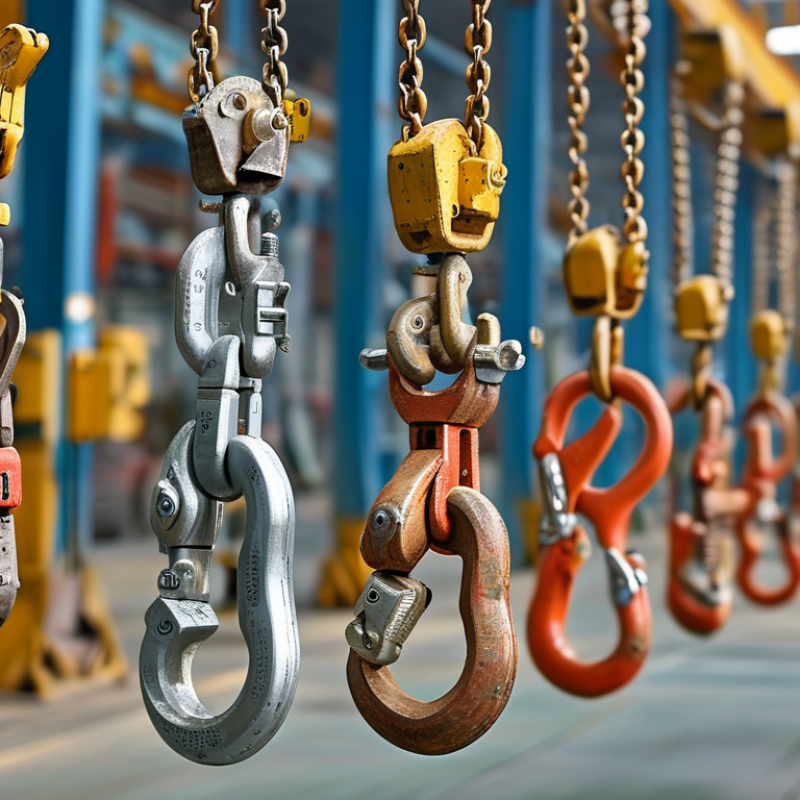
When selecting chain slings, understanding the types available is crucial for ensuring safety and efficiency in lifting operations. Chain slings are classified into various types based on their constructions, including single-leg slings, multi-leg slings, and adjustable-length options. According to the International Organization for Standardization (ISO), the use of suitable slings can significantly reduce the risk of accidents during lifting operations.
Each type has its own strengths. Single-leg slings are excellent for straight pulls, while multi-leg slings provide stability and distribute loads effectively. A recent industry report indicated that multi-leg slings accounted for over 40% of market share due to their versatility. However, buyers should be cautious. Overloading or poorly maintaining slings can lead to serious accidents, highlighting the importance of understanding lifting needs.
Consider these tips when choosing a chain sling: Ensure that the sling’s working load limit exceeds the expected load. Regular inspections are essential. Look for signs of wear and tear before use. Train staff on proper usage to minimize risks. This approach not only safeguards lives but also enhances operational efficiency. By prioritizing knowledge and careful selection, buyers can make informed decisions that align with industry standards, ultimately contributing to safer work environments.
Key Features and Benefits of Different Chain Sling Types
When selecting chain slings, one must consider the various types available. Different types have unique features that cater to specific lifting needs. For instance, grade 8 chain slings are known for their strength and durability. They are essential for heavy loads but require careful inspection regularly. This ensures safety and reliability during operation.
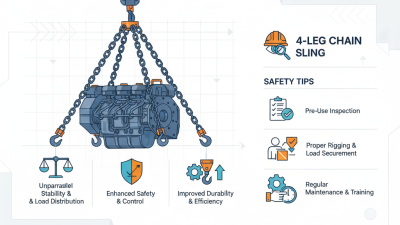
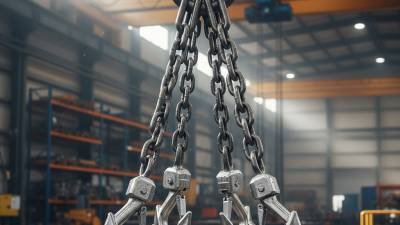
Another important type is the triple leg sling. This configuration allows for more stability and versatility in lifting applications. It can distribute the weight evenly across multiple points, which reduces strain on any single leg. However, users often overlook the importance of proper angle settings. An improper angle can lead to inefficiencies or accidents. Awareness of this factor is crucial for safe lifting operations.
Lastly, the choice between single or multiple leg slings can impact functionality. A single leg offers flexibility, useful for lighter loads. Multiple legs provide better balance and support for complex lifts. Each option has its advantages and drawbacks. Evaluating the specific requirements of each lifting task is essential for optimal performance.
Comparison of Chain Sling Materials: Strength and Durability
When considering chain slings, the material choice is critical for strength and durability. Common materials include alloy steel, stainless steel, and synthetic options. Alloy steel is renowned for its high strength-to-weight ratio. It offers excellent durability, making it suitable for heavy lifting tasks. However, the risk of corrosion remains a concern in harsh environments.
Stainless steel slings provide resistance to rust and corrosion. These are ideal for applications in wet or corrosive settings. Yet, they often come with a higher price tag. Synthetic slings, made from materials like polyester, are lightweight and flexible. They protect delicate loads but may have lower overall durability than metal options.
It’s essential to evaluate the specific needs of your lifting project. Factors such as load capacity, environmental conditions, and frequency of use should guide your decision. Understanding the material characteristics can help prevent mishaps. Each type of sling has its pros and cons. Relying solely on one material could lead to unforeseen challenges.
Safety Standards and Regulations for Chain Slings Worldwide
Safety standards and regulations for chain slings are critical in preventing workplace accidents. According to the International Organization for Standardization (ISO), compliance with ISO 4878 is essential for ensuring safe lifting practices. This standard specifies the requirements for the design and testing of chain slings. Regularly scheduled inspections are required, as wear or damage can lead to failure during use. Over 70% of lifting-related incidents directly correlate with improper use or maintenance of lifting equipment.
Different regions have varied regulations for chain slings. In the United States, the Occupational Safety and Health Administration (OSHA) sets forth guidelines that enforce strict safety measures. Compliance with these regulations is not just a best practice; it's a necessity to maintain workplace safety. In Europe, the European Committee for Standardization (CEN) introduces common standards that all manufacturing processes must follow. These often result in higher-quality products that meet stringent safety criteria.
Despite the existence of these regulations, many organizations struggle with implementation. A recent survey revealed that nearly 45% of companies do not conduct regular safety training for their employees. This gap impacts the effective use of chain slings. Awareness and education about the importance of adhering to safety standards can significantly reduce risks associated with lifting operations. Ensuring that employees are knowledgeable about both the equipment and the regulations can foster a safer work environment.
2026 Top Chain Sling Types for Global Buyers Guide
| Sling Type |
Material |
Working Load Limit (WLL) |
Certification Standards |
Common Applications |
| Chain Sling |
Carbon Steel |
1-10 tons |
EN 818-4, ASME B30.9 |
Heavy Machinery Lifting |
| Alloy Chain Sling |
Alloy Steel |
1.5-15 tons |
EN 818-2, OSHA |
Construction and Rigging |
| Transport Chain Sling |
High Strength Steel |
2-20 tons |
ISO 16869 |
Shipping and Logistics |
| Quick Recovery Chain Sling |
Heat Treated Steel |
3-25 tons |
EN 818-7 |
Emergency Recovery |
| Multi-Leg Chain Sling |
Alloy Steel |
5-30 tons |
AS 3776 |
Complex Lifting Operations |
Best Practices for Selecting and Maintaining Chain Slings
Selecting and maintaining chain slings requires a solid understanding of their construction and usage.
The right chain sling should match the lift load and environment. This includes considering the lift capacity,
length, and material. Not all slings are the same; some are better suited for specific applications. Users
should always consult guidelines and documentation for the best fit.
Regular maintenance is critical. Inspect chain slings before each use. Look for signs of wear or damage.
Small issues can lead to bigger problems over time. Users often overlook the importance of proper storage as well.
Slings should be stored in a clean, dry place to prevent deterioration.
In practice, even experienced operators can make mistakes. Improper selection or lack of maintenance can lead
to accidents. It's essential to create a checklist for regular inspections and training. Continuous education
can enhance safety and efficiency. Understanding chain sling specifications deeply minimizes risks. Being informed
helps in making safer choices.