Why Choose a Glass Chamfering Machine?
Choosing the right equipment can shape glass quality, production speed, and workplace confidence. In modern fabrication shops, edge finishing is more than a cosmetic step. It affects handling, fitting accuracy, and the final impression of a finished panel.
A Glass Chamfering Machine creates controlled bevels along glass edges. It can reduce sharp corners, improve visual consistency, and support repeatable production. Operators can process multiple pieces with steadier pressure and fewer manual variations. The result is often a cleaner edge, especially on tabletops, doors, mirrors, and architectural panels. Edges matter.
In practice, the best machine depends on glass thickness, bevel size, production volume, and required finish. Look for stable guides, precise adjustment systems, suitable cooling, and accessible maintenance points. A reliable supplier should provide technical data, operating guidance, and realistic performance expectations. Training still matters. Even advanced equipment cannot correct poor alignment, unsuitable tooling, or careless inspection. Regular checks on wheels, coolant flow, and edge quality can prevent small defects from becoming costly rework. No machine is a magic solution.
Actual results should be tested with the materials used in your workshop. A polished sample may look excellent, yet production conditions can expose vibration, handling, or setup problems. That judgment remains imperfect, and careful review is necessary. For this reason, choosing a Glass Chamfering Machine should involve demonstrations, sample testing, and conversations with experienced technicians. The strongest investment is not simply the fastest machine. It is equipment that delivers dependable results, supports safer handling, and fits the people who operate it every day.
What Is a Glass Chamfering Machine?
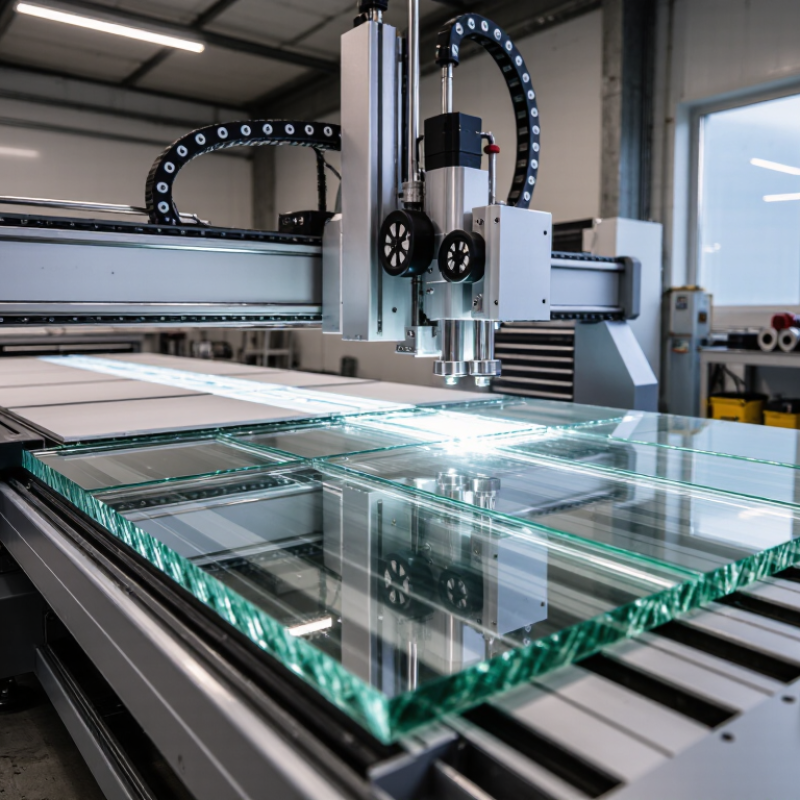
A glass chamfering machine is equipment that removes a sharp glass edge at a controlled angle. It creates a sloped surface called a chamfer. This process improves handling and gives the finished panel a cleaner appearance. Unlike simple hand grinding, the machine guides the glass steadily through cutting and polishing stages.
In practical glass fabrication, operators place a sheet on rollers or a supported worktable. Diamond wheels shape the edge while water reduces heat and carries away fine glass particles. A polishing wheel can then smooth the chamfered surface. Typical controls adjust feed speed, wheel pressure, chamfer width, and polishing intensity. Even small setting changes can affect the edge quality.
The machine suits furniture glass, shower panels, display parts, and architectural components. It is useful when repeated dimensions and consistent edge angles matter. Operators still need to check wheel wear, water cleanliness, and glass thickness before production. A poorly supported sheet may vibrate, chip, or leave uneven marks. That part is easy to underestimate. Manual inspection remains necessary, because a bright edge can sometimes hide a tiny crack. Proper eye, hand, and hearing protection should be used during operation, with guarding and maintenance procedures followed carefully.
Why Choose a Glass Chamfering Machine? - What Is a Glass Chamfering Machine?
| Topic | Description | Practical Value |
| What the machine is | A glass chamfering machine grinds a flat or shaped glass edge to create an angled, beveled surface. | It produces a defined edge profile rather than leaving a sharp cut edge. |
| How it works | A workpiece is guided past abrasive wheels or heads that remove material at a selected angle. Water is commonly used for cooling and to help control glass dust. | The result depends on the machine setup, abrasive sequence, glass type, and finishing requirements. |
| Typical workpieces | Many machines process flat glass, often annealed glass, with supported thicknesses and dimensions determined by the specific machine. | Confirm the machine’s capacity and the glass-processing sequence before production. |
| Common applications | Chamfered edges are used in products such as mirrors, furniture glass, interior panels, and decorative glass components. | The angled edge can contribute to a finished appearance and reduce the sharpness of the processed edge. |
| Why choose one | It provides a repeatable way to produce a specified bevel angle and width, particularly when similar parts are processed in batches. | A suitable machine can help standardize edge appearance and reduce reliance on manual edge finishing. |
| Finish and profile | Depending on the machine and tooling, the bevel may be ground and further refined or polished. Available angles and widths vary by model. | Check sample results against the required dimensions, surface quality, and edge finish. |
| Important processing note | Glass that will be heat-strengthened or fully tempered generally needs its cutting, edgework, and chamfering completed before heat treatment. | Grinding or chamfering fully tempered glass afterward can cause breakage; follow the glass processor’s safety and production procedures. |
| What to check before purchase | Review supported glass thickness and size, bevel angle and width range, feed method, tooling, water management, safety features, and maintenance needs. | Select based on the actual workpieces, target finish, production volume, and available floor space. |
How Does a Glass Chamfering Machine Work?
A glass chamfering machine shapes and smooths the edge of a glass panel at a controlled angle. The operator places the panel on moving rollers, which keep it aligned during processing. Guide wheels apply steady pressure while diamond-coated wheels remove a narrow strip from the edge. Water flows across the contact area to reduce heat and carry away fine glass particles.
The machine’s motor controls wheel speed, while the feed system controls how quickly the glass moves. These settings must match the glass thickness, hardness, and requested chamfer width. Too much pressure can create chips. Excessive speed may leave rough marks. Small adjustments matter.
Cooling is essential. It protects the glass edge and extends the working life of the abrasive wheels. After chamfering, an operator checks the surface under bright light and runs a finger carefully along the finished edge. It should appear even, clean, and free from sharp irregularities. Experience helps, but judgment is not perfect. A machine can repeat a setting, not understand every defect inside the glass. Regular wheel inspection, accurate alignment, and careful cleaning often prevent problems before they become visible.
What Are the Main Benefits of Glass Chamfering?
Glass chamfering improves edge quality where safety, fit, and appearance matter. A controlled bevel removes sharp corners and reduces small chips created during cutting. In practical production, operators can handle panels with fewer sudden snags. Installers also gain a cleaner contact edge around frames, doors, tables, and display units. The result feels modest, but customers notice rough glass quickly.
The strongest benefit is consistency. A glass chamfering machine applies a repeatable angle and polishing path across many panels. This can reduce manual variation, especially on thick glass or repeated shapes. The U.S. Environmental Protection Agency estimated 600 million tons of construction and demolition debris in 2018, with concrete and glass included in that stream. Better edge control cannot eliminate waste. It can, however, help prevent avoidable rejection and replacement when defects appear before installation.
Energy and material efficiency add another reason. The International Energy Agency reported that buildings and construction represented about 30% of global energy demand in 2022. Durable, accurately finished glass supports longer service life in building interiors and façades. Chamfering also improves visual uniformity under bright showroom lighting. That matters.
Still, a machine is not a guarantee of perfect results. Incorrect wheel pressure, poor cooling, or unsuitable abrasive selection can leave burns, waves, or micro-damage. Experienced technicians must inspect the edge under direct light and check dimensions after polishing. That extra inspection takes time, but skipping it is usually the costlier mistake.
Which Glass Types and Applications Require Chamfering?
Why Choose a Glass Chamfering Machine?
Which Glass Types and Applications Require Chamfering?
Glass chamfering becomes important when a sharp edge meets frequent handling, tight installation, or visible design demands. The process removes the fragile corner and creates a controlled bevel. In workshop practice, laminated glass often needs careful edge treatment after cutting. Tempered glass is different. It usually must be chamfered before heat treatment because later grinding can weaken it. Low-iron glass, mirrors, and coated panels may also require chamfering. However, coatings need protection from heat and abrasion. Operators should inspect each edge carefully.
Furniture glass, shower enclosures, display cases, and architectural partitions commonly use chamfered edges. A small bevel can reduce hand injuries during lifting and installation. It also creates a cleaner line where two panels meet. Thick stair panels and balustrades deserve extra attention because their edges face repeated contact. Insulated glass units may need edge preparation when frames leave little clearance. Decorative bevels on tabletops are more demanding. Uneven passes can create visible bands or distortions. Measurement matters.
For reliable results, technicians match wheel grit, feed speed, coolant flow, and bevel angle to the glass thickness. They should check samples under angled light and measure the bevel with a gauge. Tiny chips may look harmless, yet they can grow during transport or assembly. Chamfering is not automatically necessary for every edge. That judgment needs experience. Sometimes a simpler arris is safer, faster, and more suitable. Even skilled operators can miss a weak corner.
Why Choose a Glass Chamfering Machine?
Chamfering removes sharp glass edges and creates a polished bevel for safer handling, improved appearance, and better edge durability. It is commonly used for architectural, furniture, shower-enclosure, display, and specialty glass. Tempered and laminated glass must normally be edge-processed before final tempering or lamination.
Rating scale: 1 = limited chamfering use, 5 = frequent chamfering use. These ratings describe common fabrication priorities rather than market share or company-specific data.