Top Types of Lifting Slings for Safe and Efficient Material Handling?
Lifting slings play a critical role in material handling across various industries. According to a report by the Material Handling Industry of America, nearly 80% of workplace accidents involve improper lifting techniques. Selecting the right type of lifting slings is essential for ensuring safety and efficiency.
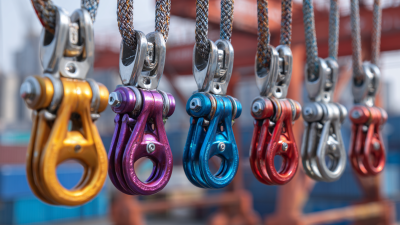
There are diverse types of lifting slings, including synthetic, wire rope, and chain slings. Each type has its strengths and limitations. For instance, synthetic slings are lightweight and easy to handle. However, they can be less durable in extreme conditions. Wire rope slings, on the other hand, offer high strength but may be susceptible to abrasion.
Yet, even with the best lifting slings, mistakes can happen. An improperly selected sling can lead to accidents and injuries, highlighting the importance of training and awareness. It's crucial to regularly reassess the condition of lifting slings. This vigilance can prevent failures and enhance overall safety standards in material handling environments.
Understanding Lifting Slings: Types and Their Applications
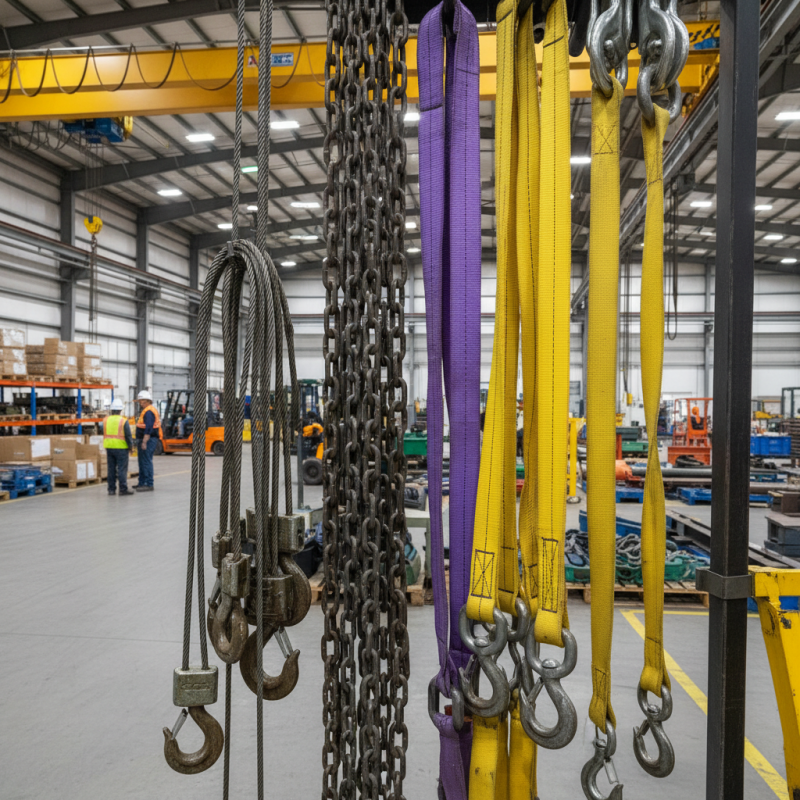
Lifting slings are essential tools in material handling. They come in various types, each serving a specific purpose. Some of the common types include web slings, chain slings, and wire rope slings. Each type has distinct features and applications.
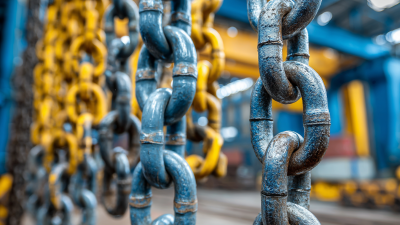
Web slings are lightweight and versatile, often used for lighter loads. They are gentle on surfaces, reducing the risk of damage. Chain slings are strong and durable. They can handle heavy loads and resist heat. However, they can be heavy and may require more careful handling. Wire rope slings offer high strength and are ideal for rugged applications but can be prone to abrasion.
**Tip:** When choosing a sling, consider the load weight and environmental conditions. Look for slings that offer the right balance of strength and flexibility. Do not overlook safety factors, such as wear and tear. Regular inspections can reveal hidden damage.
Understanding the right type of lifting sling for your needs can greatly enhance material handling efficiency. Test different slings for your specific tasks. Make sure the slings are compatible with your lifting equipment. Always prioritize safety over convenience.
Top Types of Lifting Slings for Safe and Efficient Material Handling
| Sling Type |
Material |
Working Load Limit (WLL) |
Common Applications |
| Nylon Sling |
Nylon |
6,000 lbs |
General lifting, construction |
| Polyester Sling |
Polyester |
5,000 lbs |
Machinery and equipment handling |
| Chain Sling |
Steel |
10,000 lbs |
Heavy lifting, offshore applications |
| Wire Rope Sling |
Steel wire |
12,000 lbs |
Construction and industrial lifting |
| Round Sling |
Polyester |
7,500 lbs |
Lifting delicate or irregular loads |
Safety Standards for Lifting Slings in Material Handling
When handling materials, safety standards for lifting slings play a crucial role. These standards ensure both the equipment's reliability and the safety of personnel involved. Proper inspections and maintenance routines should be established. Regularly checking for wear and tear can prevent serious accidents.
Understanding the different types of lifting slings is important too. Whether using synthetic or metal slings, the choice affects load capacity and flexibility. Each type has specific limitations that need attention. Observing these limits can be challenging for some operators. Untrained personnel might overlook critical details.
Incorporating training can significantly reduce risks. Additionally, using markings on slings helps remind operators of their safe working loads. However, even with precautions, human error can occur. Regular safety drills ensure everyone knows their role in an emergency. Being prepared is essential, yet many teams still feel unready. Making safety a priority can truly enhance efficiency in material handling.
Selecting the Right Lifting Sling for Your Load Requirements
Selecting the right lifting sling is crucial for safe and efficient material handling. Different loads require different slings. Understand the weight and shape of your load before choosing a sling. For example, flat webbing slings work well for heavy, balanced loads. However, they might not be suitable for irregular shapes.
Consider the lifting environment as well. Slings used outdoors may need protection from UV rays. In a wet environment, materials that resist moisture will be essential. Ensure the sling can handle the load's specific conditions. Using a sling without checking its specifications may lead to accidents. It's a common pitfall that many overlook.
Lastly, always assess the sling's condition. Even minor frays or tears can compromise safety. Regularly inspect your equipment. This practice helps identify potential risks before they become serious issues. Taking these steps can make a significant difference in safety and efficiency.
Benefits of Using Lifting Slings Over Traditional Rigging Methods
Lifting slings offer significant advantages over traditional rigging methods. They provide a secure way to handle materials. Their flexibility allows for easy adjustments. This adaptability is crucial when working with various loads. Using slings can simplify the process of lifting heavy items. They accommodate different shapes and sizes, ensuring a better fit.
One key benefit is the reduction of injury risks. Operators can easily maneuver loads without excessive strain. Traditional methods often require multiple people, increasing both time and risk. With slings, one person can often manage the lift. However, it’s essential to ensure proper training and techniques. Misuse can still lead to accidents.
Cost efficiency is another advantage. Slings are often lighter and easier to transport. This can save time during setup and teardown. Yet, they require regular inspection. Ignoring maintenance can lead to failures. Understanding the limitations of each type is crucial. Not all slings are suitable for every job or load.
Top Types of Lifting Slings for Safe and Efficient Material Handling
Best Practices for Inspecting and Maintaining Lifting Slings
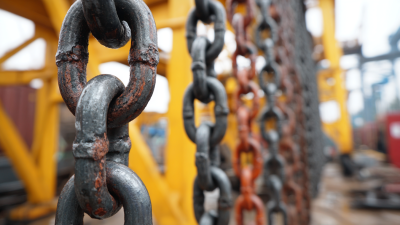
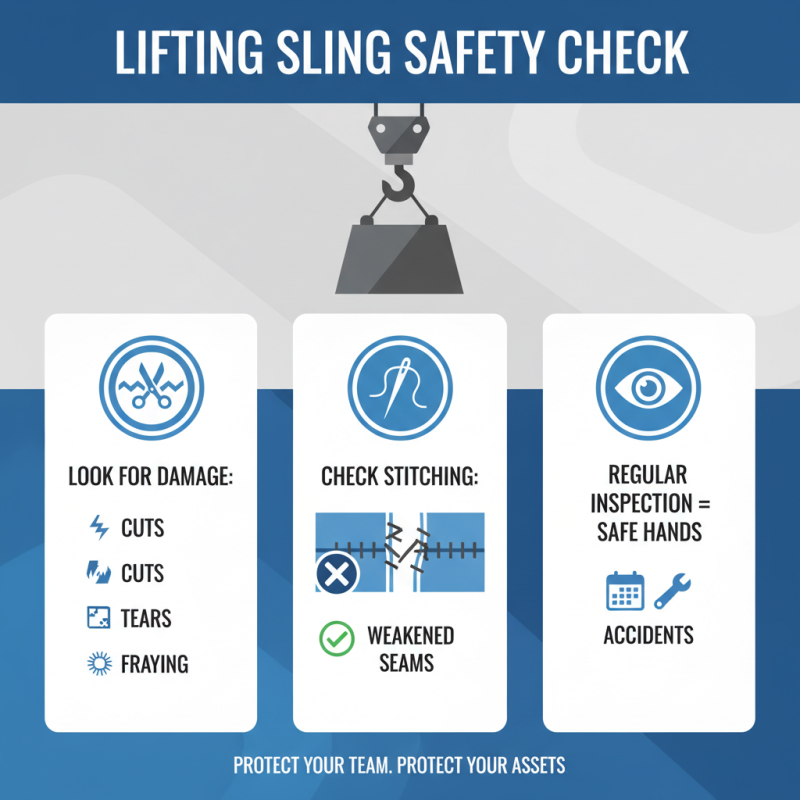
Lifting slings are crucial for safe material handling in various industries. Regular inspection is vital to ensure their integrity. Inspect slings for cuts, tears, and fraying. These signs may indicate that the sling is compromised. Pay attention to the stitching as well. Damaged stitching can weaken the sling significantly.
Tips: Always check the weight capacity of slings. Using a sling beyond its limit can lead to accidents. If you notice wear, replace the sling immediately. Don’t take risks with damaged equipment; safety should always come first.
Maintenance is equally important. Clean slings after each use to remove debris. Dirt and grime can hide damage. Store slings properly, away from sunlight and chemicals. Improper storage can degrade the materials over time. Always follow the manufacturer's guidelines, but consider that these might not catch all potential issues. Be proactive in safety practices.