Top 10 Uses for 4 Leg Chain Sling in Heavy Lifting Operations?
In heavy lifting operations, the 4 leg chain sling proves versatile and essential. This equipment is designed to safely lift and transport heavy loads. Its robust construction allows for stability in challenging environments. The design distributes weight evenly, reducing stress on both the load and the lifting equipment.
Operators often find the 4 leg chain sling easy to adjust. This adaptability can enhance safety but also requires attention. Improper usage can lead to accidents. It's crucial for operators to receive training on its correct applications. Awareness of load limits and rigging techniques is necessary.
Yet, with careful planning, the benefits outweigh the risks. The 4 leg chain sling excels in various scenarios. From construction sites to warehouses, it plays a vital role. As industries evolve, so do lifting practices, making it important to reevaluate processes regularly.
Overview of 4 Leg Chain Slings in Heavy Lifting Operations
In heavy lifting operations, 4 leg chain slings play a pivotal role. They are designed to support heavy loads safely and efficiently. According to industry reports, slings can handle weights exceeding 100 tons, depending on the material and construction. The four-leg design provides balanced load distribution, reducing the risk of accidents during lifts.
These slings offer versatility in various sectors, including construction and shipping. With their ability to adjust for different angles, they enhance the stability of loads. However, operators must pay attention to wear and tear. Regular inspections are necessary, as damaged slings can lead to catastrophic failures. A report revealed that improper use accounted for 35% of lifting accidents in the past year. This highlights the need for thorough training and safety assessments.
Furthermore, 4 leg chain slings can adapt to different lifting equipment, making them a popular choice. They often require less setup time than alternative systems. Yet, each use must be calculated carefully. For example, exceeding the safe load limit can compromise their integrity and lead to dangerous situations. Continuous monitoring and a deep understanding of load dynamics are essential for safe operations.
Top 10 Uses for 4 Leg Chain Sling in Heavy Lifting Operations
Safety Considerations When Using 4 Leg Chain Slings
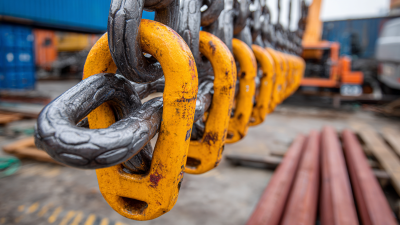
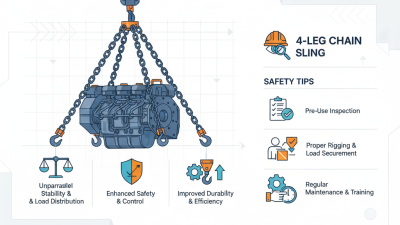
When using a 4 leg chain sling, safety is paramount. Operators must inspect the sling regularly for wear and tear. Check for damaged links or excessive rust. If the sling shows signs of damage, do not use it. A compromised sling can lead to serious accidents.
Proper rigging techniques are crucial. Ensure the load is evenly distributed across all four legs. An unbalanced load may cause slippage or uneven tension. This can lead to unexpected shifts during lifting. Training in rigging safety can prevent many incidents. Encourage workers to communicate clearly during lifts.
Always follow load limits specified for the sling. Overloading can cause failure, resulting in dangerous drops. Use appropriate protection for the sling against sharp edges. Concealed hazards can compromise safety without warning. Awareness of the environment is essential. Reflecting on past lifting operations can improve future safety.
Applications of 4 Leg Chain Slings in Various Industries
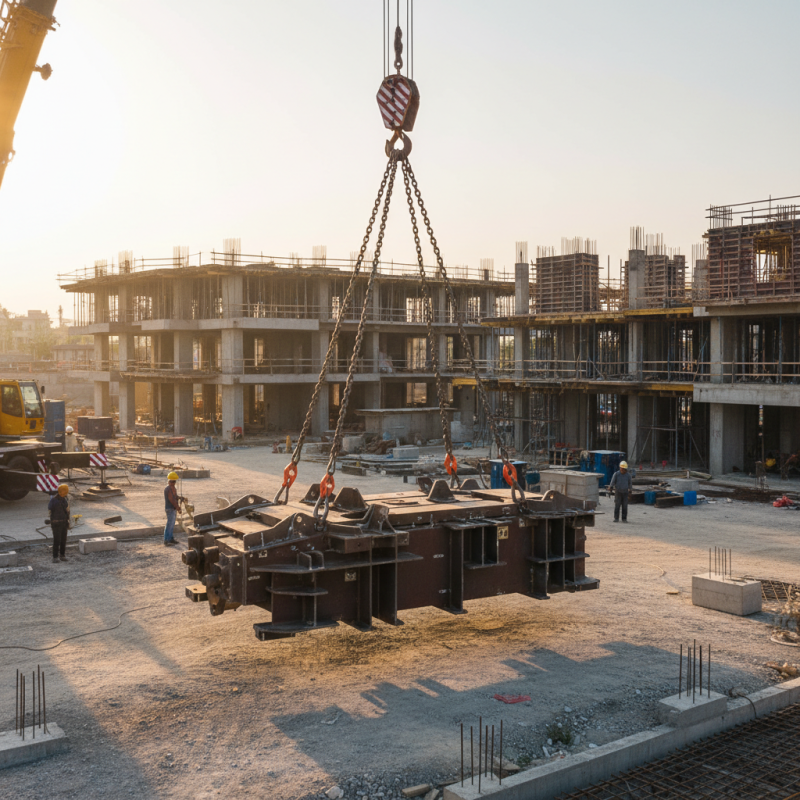
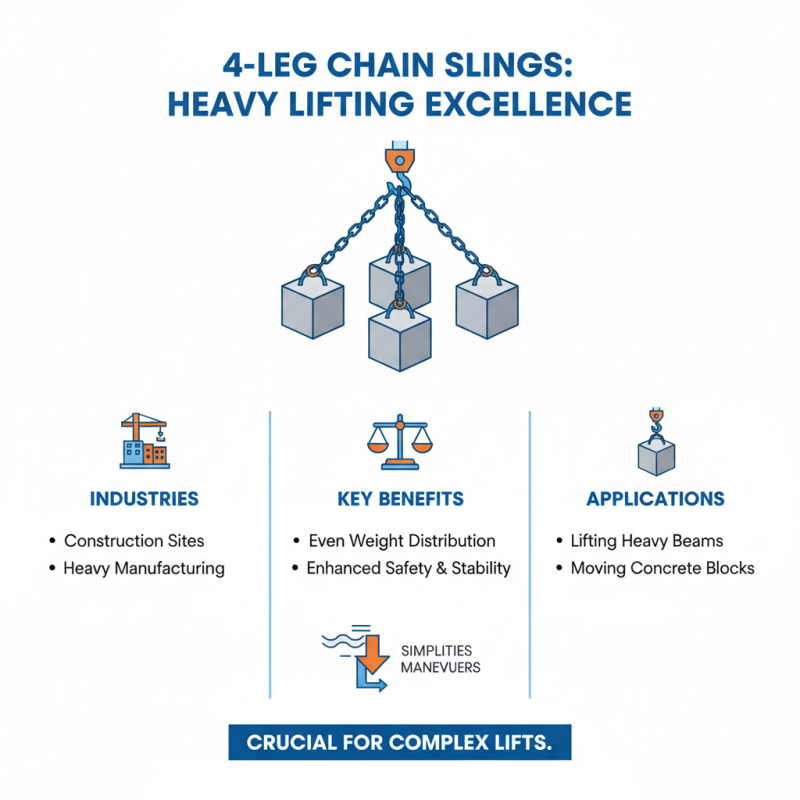
In various industries, 4 leg chain slings play a crucial role in heavy lifting operations. They are often used in construction sites, where lifting heavy beams or concrete blocks is common. The design allows for even weight distribution. This enhances safety and stability during lifting. Workers appreciate that these slings simplify complex maneuvers.
Another application is in manufacturing. Here, 4 leg chain slings help transport heavy machinery parts. The adjustable lengths make them versatile. Operators can quickly adapt to different loads. However, there is a need for proper training. Misuse could lead to accidents or damage. It’s vital to regularly check the condition of the chains too.
In warehouses, 4 leg chain slings assist with loading and unloading freight. They can handle multiple items at once. This improves efficiency in busy environments. Yet, operators must remain vigilant. Overloading can compromise safety. Reflecting on this, it's clear that while 4 leg chain slings are invaluable, ensuring proper use is crucial.
Best Practices for Inspecting and Maintaining Chain Slings
When using a 4 leg chain sling in heavy lifting, inspection and maintenance are key. A small oversight can lead to accidents. Check for visible wear and tear on the links. Ensure that there are no cracks or deformities. Conduct this inspection regularly, especially before heavy operations.
Tips: Always clean your chain sling after use. Dirt and debris can hide damages. Store your sling in a dry area to prevent rust.
Proper maintenance also involves checking the fittings. Make sure all attachments are secure. Replace any worn or damaged components immediately. Neglecting the small details can lead to larger problems later.
Tips: Create a checklist for inspections. A systematic approach will ensure nothing is missed. Document any findings for future reference. This habit will help maintain safety standards in your operations.
Comparative Advantages of 4 Leg Chain Slings Over Other Lifting Slings
In heavy lifting operations, four-leg chain slings stand out for their unique advantages. These slings distribute the load evenly across multiple points. This design reduces stress on the lifting equipment. It enhances stability during lifts. Operators often find that this balance improves safety and efficiency. Proper load distribution can prevent unwanted swaying and shifting.
One key benefit is their strength. A four-leg chain sling can handle heavier weights than other types of slings. This capability makes them ideal for large equipment. They can resist abrasion and maintain integrity under pressure. Yet, some users overlook the importance of routine inspections. Regular checks can help identify wear and tear before accidents happen.
Another factor is versatility. These slings can be used in various configurations. This adaptability allows for different lifting angles and approaches. However, mishandling can lead to issues. Users need to understand the specific load requirements. Miscalculations may result in dangerous situations. A solid understanding of the equipment is essential. Education on best practices is often undervalued.
Top 10 Uses for 4 Leg Chain Sling in Heavy Lifting Operations
| Use Case |
Advantages of 4 Leg Chain Sling |
Comparative Advantages Over Other Slings |
| Heavy Machinery Transport |
Increased stability during lifting. |
Better load distribution compared to 2 leg slings. |
| Construction Equipment Lifting |
Enhanced strength with four points of contact. |
More secure than web slings for sharp edges. |
| Shipping Container Handling |
Ideal for heavy and awkward shapes. |
Versatile usage across various container sizes. |
| Steel Beams Installation |
Stability and safety in vertical lifts. |
Improved load control over single leg slings. |
| Oil Rig Equipment Lifting |
Perform under high tension and stress. |
Higher durability than synthetic slings in harsh environments. |
| Bridge Construction |
Supports complex rigging configurations. |
Flexibility in lifting angles. |
| Shipbuilding and Repair |
Capability to lift heavy hull sections. |
More secure than round slings during heavy lifts. |
| Mining Equipment Handling |
Robustness against abrasive conditions. |
Less risk of damage compared to fiber slings. |
| Telecommunication Tower Erection |
Precision in positioning heavy components. |
Greater efficiency than simple lifting tackles. |
| Agricultural Machinery Transport |
Effective lifting in uneven terrain. |
Sturdier than polyester lifting sleeves. |