What is the Strength and Durability of Nylon Slings in Heavy Lifting Applications
In heavy lifting applications, the selection of appropriate lifting gear is crucial for ensuring safety and efficiency. One of the most commonly utilized materials in this field is nylon slings, which are favored for their impressive strength-to-weight ratio and durability. According to data from the American National Standards Institute (ANSI), nylon slings can offer a lifting capacity that exceeds several tons while maintaining flexibility and resistance to abrasion.
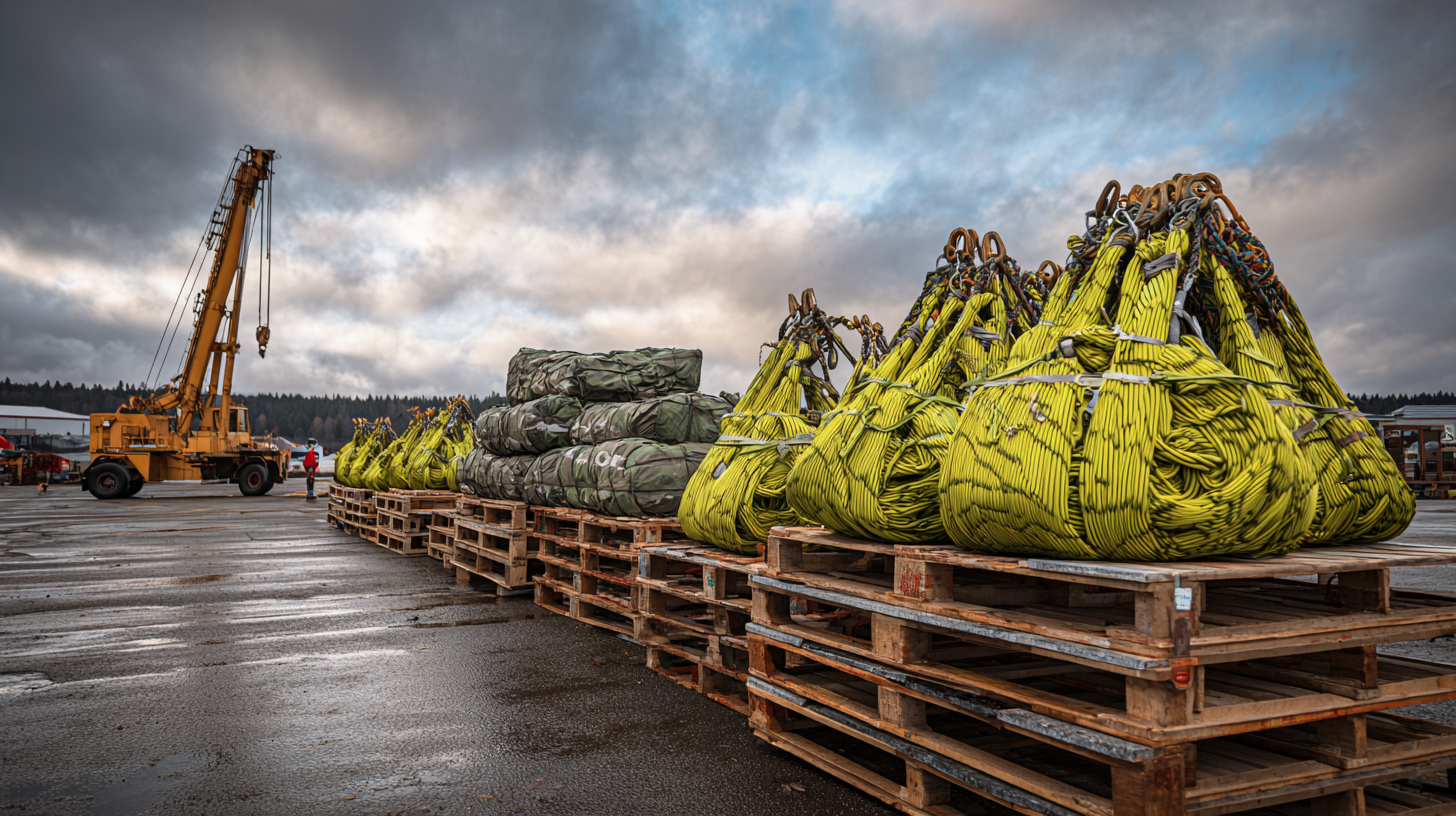 Furthermore, a report by the Rigging Industry Association indicates that nylon slings can withstand extreme conditions, including exposure to ultraviolet rays and chemicals, without significant loss of performance. As industries continue to prioritize safety and reliability in lifting operations, understanding the strength and durability of nylon slings becomes imperative for optimizing operational success and minimizing risk in demanding environments.
Understanding the Composition of Nylon Slings for Heavy Lifting
Nylon slings are essential tools in heavy lifting applications, prized for their strength and durability. Understanding the composition of nylon slings is crucial for ensuring the safety and efficiency of lifting operations. Typically made from high-quality nylon, these slings are engineered to withstand significant loads, making them a preferred choice in industrial settings. The versatility of nylon slings allows them to absorb shock and reduce the risk of sudden failure, which is particularly important in high-stakes environments like construction and heavy manufacturing.
When working with heavy loads, it's imperative to select the right type of nylon sling based on the specific lifting needs. Consider the weight and shape of the load, as well as the environment in which the lifting will occur. Always inspect slings for signs of wear or damage before use, as compromised slings can lead to devastating accidents, as evidenced by recent incidents involving falling structures. Properly rated slings should be used, and lifting should always be performed under the supervision of trained personnel to ensure safety.
**Tips:** Always verify the working load limit (WLL) of the nylon sling before use to prevent overload. Additionally, ensure that the sling is properly positioned and secured to minimize risks during lifting operations. Regular training and safety briefings for all team members can greatly enhance awareness and reduce accidents in the workplace.
Strength and Durability of Nylon Slings in Heavy Lifting Applications
Evaluating the Load Capacity of Nylon Slings in Various Applications
Nylon slings are widely used in heavy lifting applications due to their
strength and durability. However, the load capacity of these slings can be significantly
influenced by their correct usage. It is essential to follow the manufacturer's guidelines and ensure that the sling is appropriate for the
specific load type and conditions. Failure to do so can lead to
catastrophic results, including the sudden failure of the sling, even if the weight
being lifted is well within its rated capacity.
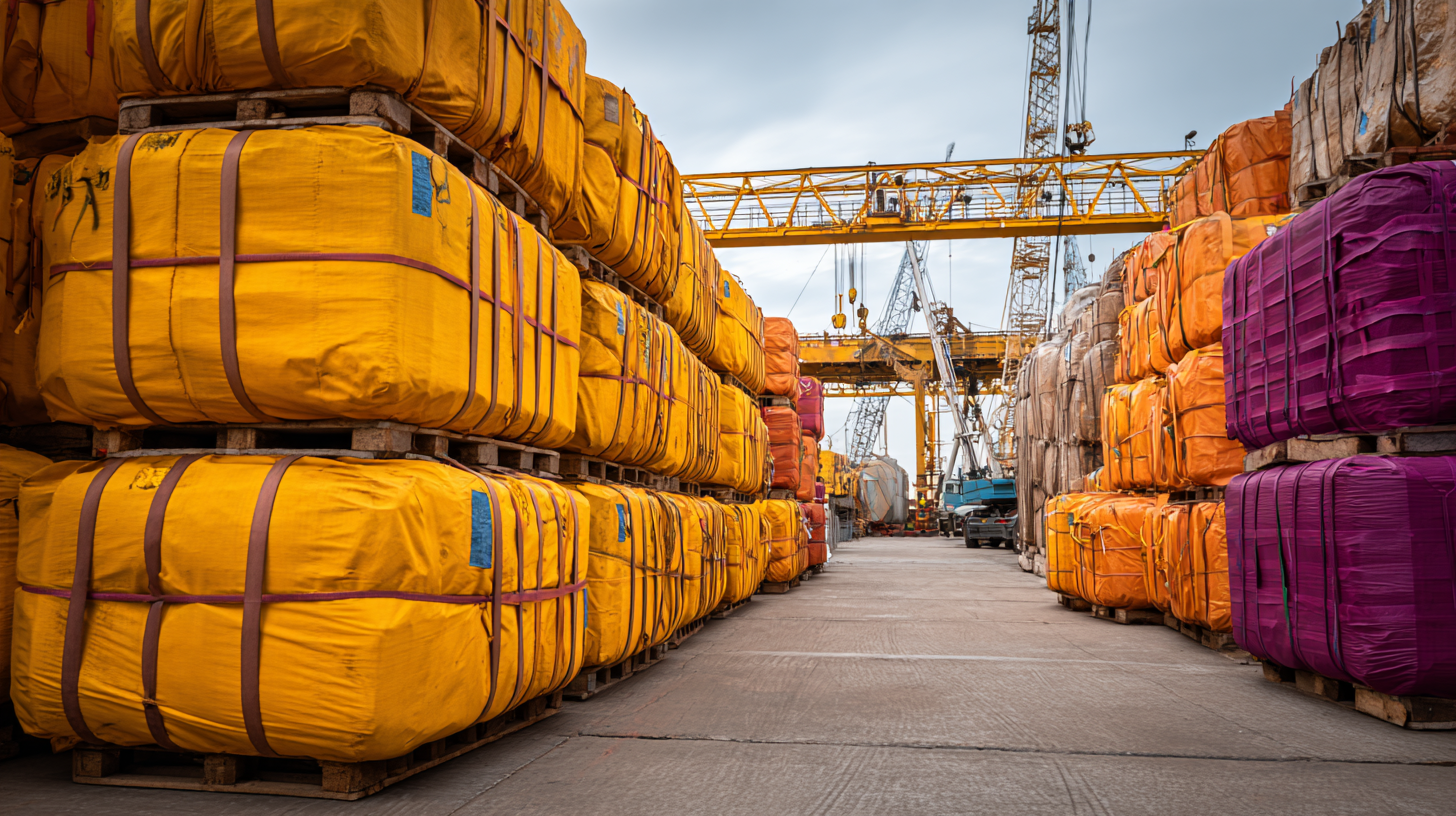
Recent incidents have highlighted the risks associated with the improper use of nylon slings. Factors such as
incorrect rigging, inappropriate working load limits, and neglecting wear and tear
can compromise the integrity of the sling. Hence, it is crucial for operators in various industries to evaluate and understand the
potential loading conditions and ensure that proper protocols are followed to maintain safety during lifting operations. By emphasizing
the importance of correct usage, the durability of nylon slings can be effectively harnessed, reducing the likelihood of accidents
and enhancing operational efficiency.
Testing the Environmental Resistance of Nylon Slings in Challenging Conditions
Nylon slings are increasingly recognized for their strength and durability in heavy lifting applications, particularly in challenging environmental conditions. Testing these slings under various circumstances reveals their resilience against elements such as moisture, UV exposure, and extreme temperatures. For instance, manufacturers often conduct rigorous assessments to ensure the nylon material retains its integrity and functionality even during prolonged exposure to such stresses.
In industries where reliable lifting gear is essential, the ability of nylon slings to withstand harsh conditions can significantly impact safety and performance. By evaluating the environmental resistance, one can ensure that these slings not only perform under normal conditions but also continue to function effectively when faced with unpredictable challenges. As a result, choosing high-quality nylon slings that have undergone comprehensive testing is crucial for professionals engaged in heavy lifting operations, ensuring that their gear remains dependable under any circumstance.
What is the Strength and Durability of Nylon Slings in Heavy Lifting Applications - Testing the Environmental Resistance of Nylon Slings in Challenging Conditions
| Test Condition |
Load Capacity (lbs) |
Environmental Resistance |
Average Lifespan (years) |
Comments |
| Dry Conditions |
8,000 |
Excellent |
7-10 |
Ideal for regular use |
| Wet Conditions |
7,000 |
Good |
5-7 |
Care needed to prevent slipping |
| High UV Exposure |
6,500 |
Fair |
3-5 |
Must be replaced regularly |
| Extreme Temperatures |
7,200 |
Good |
5-6 |
Performance may vary |
| Saltwater Exposure |
5,500 |
Poor |
2-4 |
Not recommended |
Best Practices for Inspecting and Maintaining Nylon Slings
When it comes to ensuring the longevity and reliability of nylon slings in heavy lifting applications, regular inspection and maintenance are crucial practices. Inspecting slings should occur before each use, focusing on any visible signs of wear, such as fraying, cuts, or discoloration. Operators should examine the entire length of the sling, paying close attention to the fittings and hardware, as damage in these areas can compromise safety. Additionally, checking the sling for any chemical exposure or high-temperature effects is important, as these factors can significantly weaken the nylon fibers.
In terms of maintenance, it is advisable to store nylon slings in a cool, dry place away from direct sunlight and harsh chemicals. This prevents degradation over time and maintains the sling's structural integrity. Cleaning slings after use, particularly if they have been subjected to dirt or chemicals, helps in prolonging their usability. A gentle wash with soap and water, followed by thorough drying, is recommended. Adopting these best practices not only extends the life of nylon slings but also enhances safety in heavy lifting operations, ensuring that workers can rely on their equipment under demanding conditions.

Comparing Nylon Slings with Other Lifting Solutions for Strength and Durability
Nylon slings have become a popular choice in heavy lifting applications due to their exceptional strength and durability. When comparing nylon slings with other lifting solutions such as chain slings, wire ropes, and polyester slings, several key factors emerge. Nylon slings possess high tensile strength, which allows them to lift heavy loads without stretching excessively. This elasticity can provide a cushioning effect during the lifting process, reducing the risk of damage to the lifted object and enhancing safety.
In contrast, chain slings and wire ropes, while strong, can be rigid and less forgiving, often resulting in higher potential for wear and tear on both the sling and the load. Polyester slings, while similar in some aspects to nylon slings in terms of weight and flexibility, often lack the same level of durability under harsh weather conditions. Additionally, nylon's resistance to abrasion and resistance to chemicals make it a preferred option in a variety of environments, effectively outperforming its counterparts in long-term durability for heavy lifting tasks.