What is Rigging Supply and Why it is Essential for Your Projects
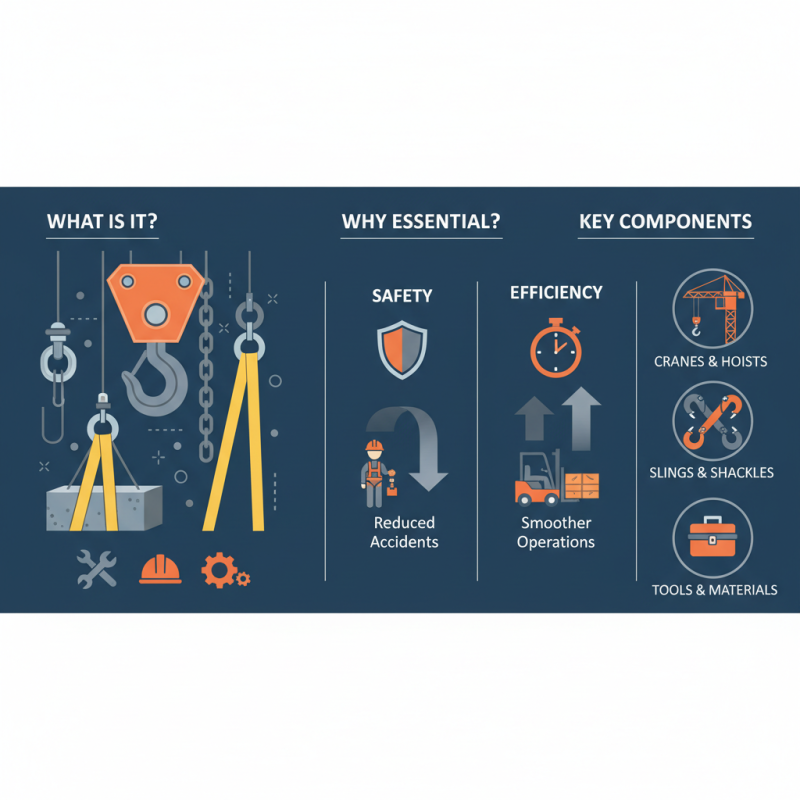
In the realm of construction and various industrial projects, the term "rigging supply" plays a pivotal role in ensuring both safety and efficiency. Rigging supply encompasses a wide array of equipment, tools, and materials used to lift, move, and secure heavy loads, making it an indispensable aspect of project execution. From cranes and hoists to slings and shackles, these components are critical for facilitating operations that require precision and reliability. Understanding the nuances of rigging supply not only enhances operational efficacy but also mitigates potential risks associated with lifting heavy items.
As projects become more complex and the demands for safety and compliance escalate, selecting the right rigging supply becomes essential. Proper rigging ensures that loads are lifted and transported securely, reducing the likelihood of accidents that could jeopardize personnel, equipment, and overall project timelines. This article will delve into the importance of rigging supply, its various components, and best practices for utilizing these tools effectively within your projects. By recognizing the significance of quality rigging supply, project managers and teams can better prepare for the challenges of modern industrial work, ultimately leading to successful project outcomes.
Understanding Rigging Supply: Definition and Components
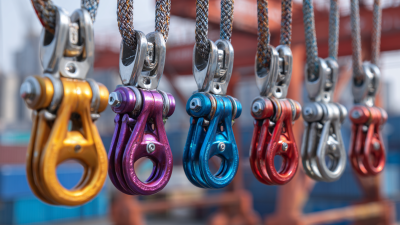
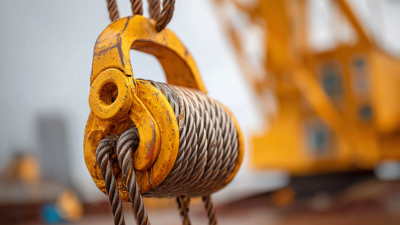
Rigging supply refers to the equipment and materials used to secure or lift heavy loads in various industries, including construction, entertainment, and shipping. Essential components of rigging supply include slings, shackles, hooks, pulleys, and winches. Each element plays a crucial role in ensuring the safety and efficiency of load handling operations. Understanding the different types of rigging supplies and their applications can help project managers choose the right tools for specific tasks.
When selecting rigging supplies, it’s important to consider several factors such as load capacity, environment, and ease of use. Always check the specifications and ratings of the equipment to ensure they meet your project's needs. Regular inspection and maintenance of rigging supplies help prevent accidents and prolong the life of the equipment.
Tips: Always store rigging supplies in a dry, clean area to avoid wear and damage. Additionally, training your team on the proper use and handling of rigging equipment can significantly enhance safety and operational efficiency on site. Implementing these practices can lead to smoother project execution and minimize downtime.
What is Rigging Supply and Why it is Essential for Your Projects
| Component |
Description |
Application |
Safety Factor |
| Slings |
Lifting devices made from various materials |
Used for lifting and securing loads |
5:1 to 7:1 |
| Hooks |
Devices for connecting slings and loads |
Commonly used in crane operations |
3:1 to 5:1 |
| Shackles |
Metal fastening devices |
Used to connect rigging components |
5:1 to 6:1 |
| Pulleys |
Mechanical devices that redirect force |
Used in lifting systems to reduce effort |
6:1 to 8:1 |
| Turnbuckles |
Devices used to adjust the tension |
Used in tensioning applications |
4:1 to 5:1 |
The Importance of Rigging Supply in Various Industries
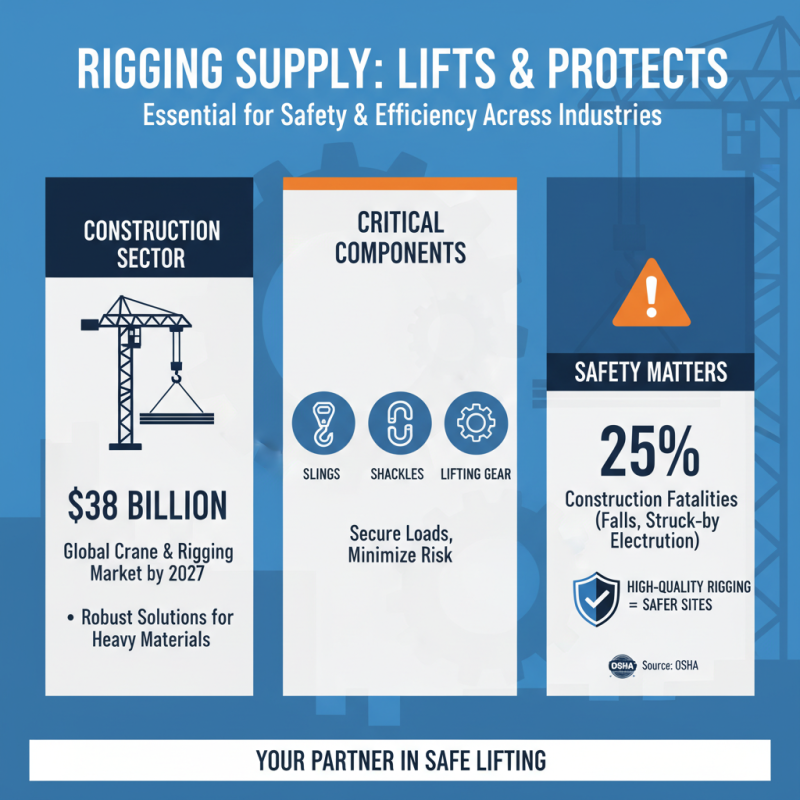
Rigging supply plays a vital role across various industries, serving as the backbone for lifting and moving heavy materials safely and efficiently. In the construction sector, for instance, the global crane and rigging market is projected to reach approximately $38 billion by 2027, reflecting a significant demand for robust rigging solutions. These supplies, including slings, shackles, and lifting gear, ensure that heavy loads are secured properly, minimizing the risk of accidents and enhancing overall site safety. According to the Occupational Safety and Health Administration (OSHA), nearly 25% of construction site fatalities involve falls, being struck by objects, or electrocution, highlighting the critical importance of using high-quality rigging supply.
Additionally, in the maritime industry, rigging supply is essential for the safe transportation of goods by ship. The demand for efficient load handling has increased due to the surge in global trade, which is expected to reach over $30 trillion in 2023 according to the World Trade Organization. The use of specialized rigging equipment ensures that cargo is loaded and unloaded efficiently, reducing the time ships spend in port and directly impacting economic productivity. Safety regulations mandate the regular inspection and maintenance of rigging supplies, further underscoring their indispensable role in preventing workplace accidents and ensuring compliance with safety standards. As industries continue to evolve, the importance of rigging supply remains a cornerstone for operational success and safety.
Types of Rigging Equipment and Their Applications
Rigging supply plays a crucial role in various industries, especially in construction, maritime, and entertainment. Understanding the types of rigging equipment and their specific applications is essential for any project manager or engineer. One of the most commonly used types of rigging equipment is slings, which are often made from materials like nylon, polyester, or wire rope. According to a report by Grand View Research, the global slings market is projected to witness substantial growth, fueled by increased construction activities worldwide. Slings are primarily used to lift and move heavy loads safely, and their versatility makes them suitable for different applications, from industrial lifting to stage rigging.
Another important category of rigging equipment is hoists, which are designed to lift heavy materials vertically. Electric and manual hoists are the two primary types utilized in the industry. A study published by MarketsandMarkets indicates that the hoisting equipment market is expected to grow steadily, driven by advancements in technology and increased investment in infrastructure projects. Hoists are essential for applications that require precise load handling, such as cranes on construction sites or theater stages where lighting and set design are frequently manipulated. Additionally, hardware like shackles, hooks, and pulleys also play critical roles in ensuring safety and reliability. Each type of rigging equipment is integral to achieving operational efficiency and safety standards in various projects.
Types of Rigging Equipment and Their Applications
Key Factors to Consider When Sourcing Rigging Supply
When sourcing rigging supplies for your projects, several key factors should be considered to ensure both safety and efficiency. First and foremost, assess the quality and certification of the materials. This means verifying that the rigging equipment meets industry standards and is free from defects. Safety should always be the top priority, as inadequate or substandard materials can lead to accidents or project failures.
Another critical factor is the compatibility of the rigging supplies with your specific applications. Different projects may require various types of rigging systems, such as lift, pull, or support mechanisms. It’s essential to consult with experienced professionals or conduct thorough research to guarantee that the selected supplies are appropriate for the tasks at hand. Additionally, consider the supplier’s reliability and responsiveness, as timely delivery and support can significantly impact the overall success of your project. A reliable supplier will provide not only quality products but also guidance and expertise tailored to your rigging needs.
Best Practices for Maintaining Rigging Equipment Sicherheit
Maintaining rigging equipment safety is crucial for any project that involves lifting and moving heavy loads. According to a recent industry report by the Occupational Safety and Health Administration (OSHA), approximately 36% of construction site fatalities are related to falls, being struck by objects, or electrocutions, highlighting the critical importance of properly maintained rigging systems. Rigging equipment, when regularly inspected and maintained, significantly reduces the likelihood of such incidents, ensuring both worker safety and project efficiency.
To establish best practices for maintaining rigging equipment, it is essential to adhere to strict inspection schedules. The American Society of Mechanical Engineers (ASME) recommends conducting thorough inspections before and after use, alongside regular periodic checks. Ensuring that personnel are properly trained and certified to handle rigging equipment is also an integral aspect of safety. Training not only helps in recognizing potential hazards but also empowers workers to take proactive measures in equipment handling and maintenance. Regularly updating training programs based on the latest industry standards can further enhance the safety protocols in place, thereby minimizing risks associated with rigging operations.