Top 10 Essential Tips for Choosing the Right Rigging Slings
When it comes to safely lifting and securing heavy loads, the importance of choosing the right rigging slings cannot be overstated. As John Anderson, a seasoned expert in the rigging industry, aptly puts it, “The right rigging slings not only ensure safety but also enhance operational efficiency.” With numerous options available, selecting the appropriate sling for your specific needs can be a daunting task.
In this article, we will explore the top 10 essential tips that will guide you in making the best choice for rigging slings. Whether you are working in construction, manufacturing, or any industry that requires load handling, understanding the different types of slings and their applications is crucial. Rigging slings come in various materials, lengths, and configurations, each designed to accommodate different load requirements and working conditions.
By following these expert tips, you will not only improve safety standards but also streamline your operations, ensuring that you are well-equipped to tackle any lifting challenge with confidence. Let’s dive into the essential considerations for choosing the right rigging slings for your projects.
Understanding Different Types of Rigging Slings and Their Uses
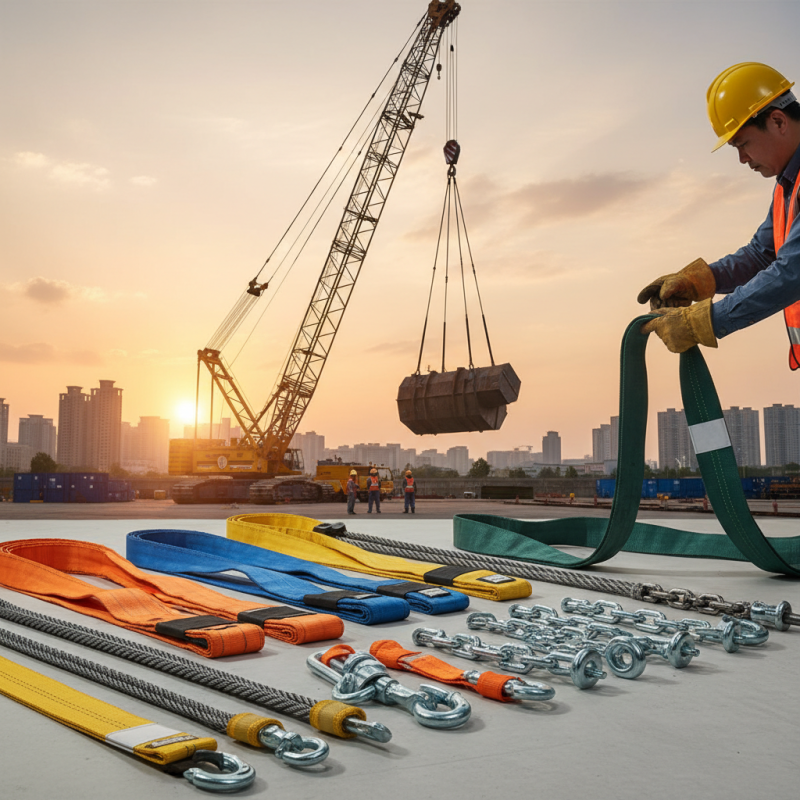
When it comes to rigging slings, understanding the different types available is crucial for effective lifting operations. Common types of rigging slings include wire rope slings, synthetic slings, and chain slings, each possessing unique characteristics that make them suitable for specific tasks. Wire rope slings are highly durable and offer excellent resistance to abrasion and cutting, making them ideal for heavy-duty applications. On the other hand, synthetic slings, made from materials like nylon or polyester, are lighter and easier to handle, which can be advantageous in environments where weight is a concern. They also have the added benefit of being less likely to damage the load due to their soft construction.
Chain slings provide exceptional strength and are especially useful for lifting heavy or sharp-edged loads. They can easily withstand harsh environmental conditions and are designed to be reliable over long-term usage. However, it is essential to consider the load capacity and the specific rigging scenario when selecting a type of sling, as each comes with its own set of working load limits. Knowledge of the various slings and their properties ensures that rigging professionals can make informed decisions, maximizing safety and efficiency in lifting operations.
Top 10 Essential Tips for Choosing the Right Rigging Slings - Understanding Different Types of Rigging Slings and Their Uses
| Tip Number |
Tip Description |
Type of Sling |
Common Use Case |
Max Load Capacity (lbs) |
| 1 |
Choose the appropriate material |
Wire Rope Sling |
Heavy lifting in construction |
20,000 |
| 2 |
Consider the environment |
Synthetic Sling |
Lifting delicate or sensitive equipment |
15,000 |
| 3 |
Check for stretch and elongation |
Round Sling |
Lifting loads with minimal damage |
10,000 |
| 4 |
Assess load weight and shape |
Chain Sling |
Lifting sharp-edged loads |
25,000 |
| 5 |
Evaluate the lifting method |
Flat Web Sling |
General lifting applications |
8,000 |
| 6 |
Inspect slings for wear |
Double-ply Sling |
Heavy-duty operations |
18,000 |
| 7 |
Understand the angles and rigging points |
Eye and Eye Sling |
Various lifting tasks |
12,000 |
| 8 |
Ensure compatibility with lifting hardware |
Sleeve Protector Sling |
Extra protection for slings |
10,000 |
| 9 |
Select the right length |
Synthetic Rope Sling |
Lifting from distance |
7,000 |
| 10 |
Follow safety guidelines and regulations |
All Types |
All lifting applications |
Varies |
Factors to Consider When Selecting Rigging Sling Materials
When selecting rigging sling materials, several critical factors must be carefully considered to ensure safety and efficiency in lifting operations. The material properties of slings, such as tensile strength, weight, and flexibility, play a crucial role in their performance. According to industry reports, synthetic slings, such as nylon and polyester, can be up to 7 times lighter than steel slings while offering comparable load capacities, making them ideal for applications where weight-saving is essential.
Another important factor is resistance to environmental conditions. Different materials exhibit varying levels of durability against elements like moisture, UV radiation, and chemicals. For instance, polyester slings are known for their UV resistance, enhancing durability in outdoor applications. In contrast, nylon slings may absorb moisture, potentially leading to degradation over time. A study published by the International Association of Bridge, Structural, and Organizational Engineering noted that synthetic slings can last up to 4 times longer than their steel counterparts in harsh environments, emphasizing the importance of selecting the right material for the specific lifting conditions.
Finally, the cost-effectiveness of slings should be assessed based on their lifespan and performance characteristics. While synthetic slings typically come at a higher upfront cost than steel slings, their extended longevity and lower maintenance requirements often result in reduced long-term expenses. A detailed cost-benefit analysis is essential for project managers, as it can identify the most appropriate materials that will enhance both safety and efficiency in rigging operations.
Load Capacity and Safety Ratings: Ensuring Proper Sling Selection
When selecting rigging slings, understanding load capacity and safety ratings is crucial to ensure the safety and efficiency of your lifting operations. Load capacity refers to the maximum weight a sling can handle safely. It is essential to choose a sling that can accommodate the weight of the load, accounting for potential dynamic forces that may occur during lifting. Additionally, check the safety rating, which provides a guideline for how much stress a sling can endure under various conditions. Always refer to manufacturer specifications and consider a higher capacity than your load to maintain a safety margin.
One key tip for sling selection is to always consider the type of load you are lifting. Different materials and load shapes can affect how weight is distributed and how the sling interacts with the load. Heavy, bulky objects may require wider, heavier-duty slings. Another important factor to consider is the sling configuration. For example, using a single sling may be sufficient for certain loads, while more complex arrangements like a bridle or basket configuration may enhance stability and safety for heavier or awkwardly shaped loads.
Regularly inspecting your slings and understanding the wear and tear factors will also help maintain safety and performance. Look for signs of fraying, cuts, or other damage, and replace slings that show adverse wear. Adhering to these practices fosters a safe lifting environment, allowing for effective handling of various loads while minimizing risks.
Best Practices for Sling Inspection and Maintenance
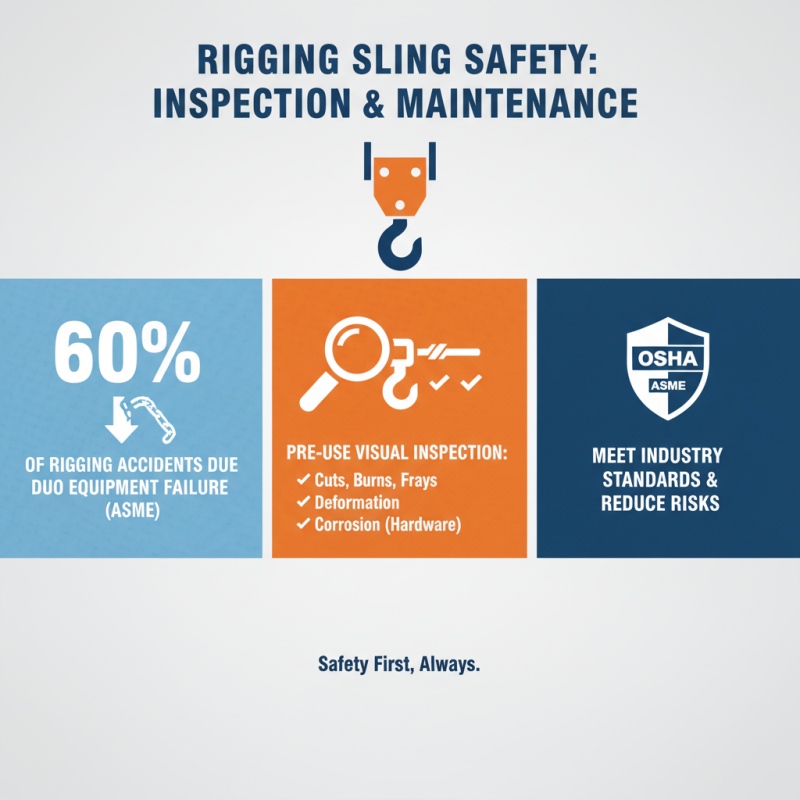
When it comes to rigging slings, ensuring their safety and reliability is paramount, which hinges largely on proper inspection and maintenance practices. According to the American Society of Mechanical Engineers (ASME), approximately 60% of rigging accidents are attributed to equipment failure, underscoring the importance of regular inspections. Rigging slings should be visually examined before each use, looking for signs of wear such as cuts, burns, or frays, as well as checking for any deformation or corrosion in hardware attachments. Ensuring that slings meet industry standards such as those set by the Occupational Safety and Health Administration (OSHA) can significantly reduce risks.
In addition to daily inspections, implementing a comprehensive maintenance routine is essential for extending the lifespan of rigging slings. The Sling Manufacturers Association suggests that slings should be thoroughly assessed at least once a year, and this should include tests for load capacity and overall integrity. Proper storage is also crucial; slings should be kept in a dry, cool place away from direct sunlight and chemical exposure. Industry reports indicate that following these best practices can decrease the likelihood of failure and accidents on job sites, ultimately enhancing workplace safety and operational efficiency.
Regulatory Standards and Guidelines for Rigging Slings
When selecting rigging slings, understanding the regulatory standards and guidelines is essential to ensure safety and compliance in lifting operations. Various organizations and agencies set forth requirements that prioritize the safety of personnel and equipment. For instance, guidelines from the Occupational Safety and Health Administration (OSHA) and the American National Standards Institute (ANSI) provide comprehensive criteria for the design, selection, inspection, and use of rigging slings. Familiarity with these regulations helps in avoiding accidents and ensures that the slings used are suitable for their intended purpose.
Compliance with these standards includes ensuring that rigging slings are properly rated for load capacities and are constructed from materials that meet or exceed quality specifications. Inspecting slings for signs of wear, damage, or deformation is critical, as many injuries in lifting operations result from equipment failure. Additionally, training personnel on the proper use and handling of rigging slings as outlined in regulatory guidelines is fundamental. Adhering to these standards not only fosters a safer working environment but also enhances operational efficiency in various industries that rely on rigging systems for transporting loads.