How to Choose the Right Tirfor Winch in 2026?
Choosing the right tirfor winch in 2026 requires more than comparing pulling capacity and purchase price. The decision affects workers, equipment, terrain, and recovery time. A compact hand-operated unit may suit a straight pull across a firm workshop floor. It may fail in mud, on a slope, or near sharp edges. Small differences matter.
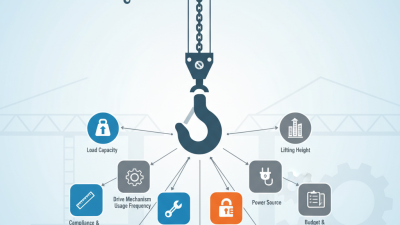
The U.S. Bureau of Labor Statistics recorded 5,283 fatal workplace injuries in 2023. The UK Health and Safety Executive reported 138 worker deaths during 2023/24. These figures do not measure tirfor winch accidents specifically. They still show why load control, inspection, and operator competence deserve attention. Manufacturer ratings should be checked against the complete setup, not viewed alone. Consider working load limit, rope length, anchor strength, line angle, handle effort, brake performance, and environmental exposure. A longer rope is not automatically better. It can create more friction and more storage problems.
Dr. David Michaels, former U.S. Assistant Secretary of Labor for Occupational Safety and Health, said, “Safety is not a priority; it is a prerequisite.” That principle fits every tirfor winch selection. Choose a model with documented test data, traceable certification, clear maintenance instructions, and accessible replacement parts. Confirm the intended application with the manufacturer or a qualified lifting professional. This guide compares practical specifications, but it has a limitation: real sites rarely behave like catalog diagrams. Mud, damaged anchors, rushed decisions, and poor communication can change the outcome quickly. A reliable choice begins with honest site assessment, not optimistic assumptions.
Understanding Tirfor Winch Types and Their Core Operating Principles
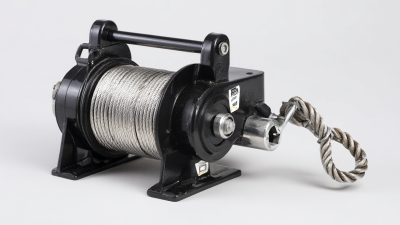
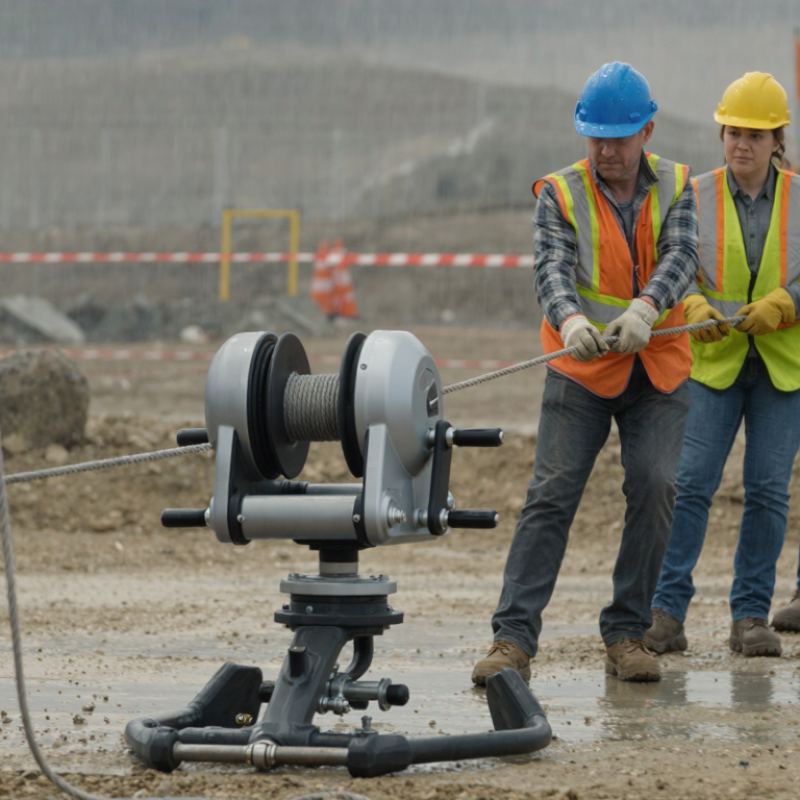
Portable lever winches are often confused with drum winches. They do not wind cable onto a rotating spool. Instead, internal gripping jaws alternately clamp and release the wire rope. Each lever stroke advances the rope through the mechanism. This creates controlled pulling or lifting with a compact frame. The difference matters.
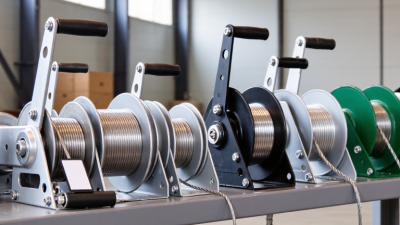
Common types include compact pullers for light positioning, standard models for site maintenance, and high-capacity units for structural movement. Selection depends on rated line pull, lifting capacity, rope diameter, and working length. Grand View Research’s 2024 winch-market assessment projects roughly 5% annual growth through 2030, reflecting wider demand for controlled material handling. Market growth does not make every model suitable.
In practical use, I inspect the jaws, rope strands, anchor point, and lever before loading. A bent hook or flattened rope can change the risk quickly. Keep the load aligned with the frame. Side loading is a frequent mistake. Do not guess.
A professional selection also separates pulling from lifting duties. The same capacity label may not apply equally to both. Safety factors, inspection rules, and manufacturer test certificates should be checked against applicable standards, including ISO 4309 guidance for wire-rope examination. I still find capacity chosen from habit rather than measured resistance. That habit needs challenging. A spring scale, load chart, and a realistic estimate of friction usually produce a better decision.
How to Choose the Right Tirfor Winch in 2026?
Understanding Tirfor Winch Types and Their Core Operating Principles
How to read the chart: The values represent common rated line-pull capacities for manually operated wire-rope winch configurations. Compact units are generally suitable for light recovery and positioning tasks, standard units provide greater versatility, and heavy-duty units are intended for demanding pulling or lifting applications.
Operating principle: A Tirfor-style winch grips a passing wire rope with internal jaws. Moving the operating lever advances the rope through the mechanism, allowing controlled pulling, lifting, tensioning, or lowering without winding the rope onto a drum.
Selection guidance: Choose a winch with a rated capacity above the expected load, account for friction and incline, use the correct wire-rope diameter, and verify the manufacturer’s limits for lifting, anchoring, and safety factors before operation.
Matching Winch Capacity to Load Weight, Distance, and Working Conditions
How to Choose the Right Tirfor Winch in 2026?
Choosing a Tirfor winch starts with the real load, not its advertised name.
Weigh the object, then assess slope, ground friction, and rolling resistance. A 1,000-kilogram load may require far more pulling force on wet soil or a steep incline. Select a rated capacity above the calculated resistance, leaving a practical safety margin. Never treat the load weight as the complete answer.
Distance changes the setup.
Measure the full pulling route, including anchor points and direction changes. Use enough wire rope for the job, but avoid unnecessary length that creates handling problems. A sharp angle can increase friction and reduce control. Keep the rope aligned with the winch. Small alignment errors matter.
Working conditions deserve equal attention.
Mud, rain, dust, cold temperatures, and abrasive edges can damage rope and fittings. Inspect the cable for broken wires, kinks, crushing, or corrosion before use. Check the anchor, hooks, shackles, and protective equipment as one system.
In field inspections, rushed capacity estimates are common. I have also seen experienced workers overlook ground movement. That mistake needs honest review. Stop if the anchor shifts, the rope climbs, or the load behaves unpredictably. Safety instructions from the manufacturer should guide the final selection and operating method.
Evaluating Cable Length, Handle Design, Portability, and Safety Features
How to Choose the Right Tirfor Winch in 2026?
Evaluating Cable Length, Handle Design, Portability, and Safety Features
Choosing a Tirfor winch in 2026 starts with the job, not the advertised capacity. Measure twice. A cable that is too short may force awkward anchor positions or unsafe extensions. A very long cable adds weight, storage problems, and more inspection points. For vehicle recovery, forestry work, or site pulling, choose enough length to reach a stable anchor with several wraps remaining.
Handle design matters when the load is heavy and space is limited. A smooth, non-slip grip reduces hand fatigue during repeated strokes. The handle should move freely without striking nearby equipment. Test its operating arc before purchase. On a muddy site, I would rather have a slightly shorter handle with controlled movement than extra leverage that becomes difficult to use. That preference is not universal.
Portability also affects real performance. A compact winch is easier to carry across rough ground, but a lighter frame may feel less convenient under demanding loads. Check the carrying handle, rope storage, and total weight with cable included. Safety features deserve close attention: overload protection, a secure hook latch, clear capacity markings, and a reliable locking mechanism. Inspect the cable for flattened strands, kinks, corrosion, or broken wires before every use. Keep the pull aligned with the winch, wear gloves and eye protection, and never exceed the rated capacity. I once underestimated how quickly fatigue affected setup decisions, so a simple pre-use checklist is worth the extra minute.