How to Choose the Right Swivel Hoist Ring for Your Lifting Needs?
Choosing the right swivel hoist ring can be challenging. Various factors influence your decision. A swivel hoist ring is designed for versatile lifting applications.
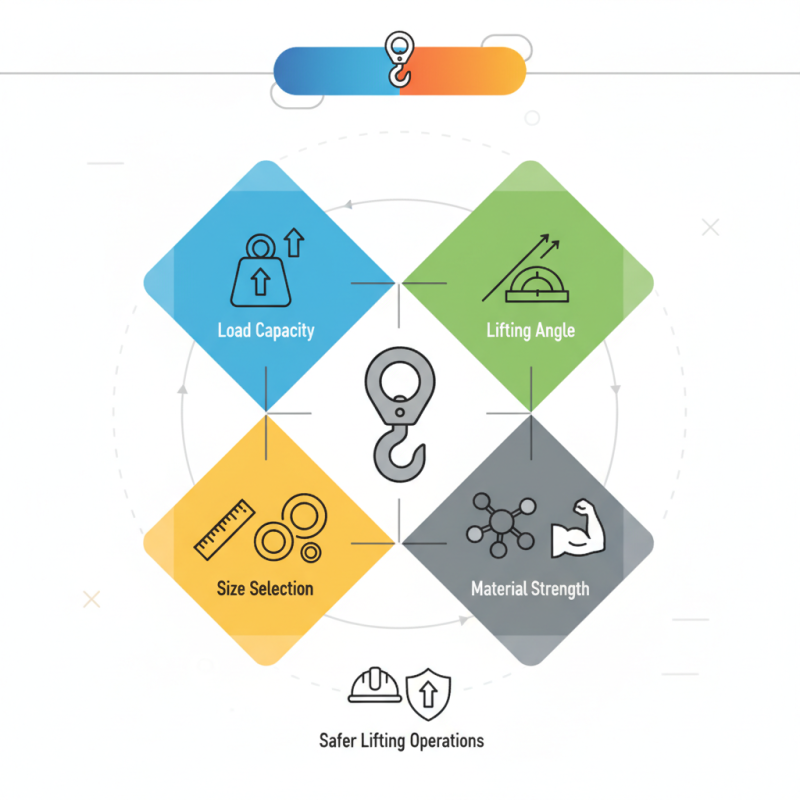
Many people overlook the load capacity. It is essential to match the hoist ring to your specific needs. Consider the lifting angle, too. This affects performance and safety.
You may find yourself unsure about what size to choose. It's also common to underestimate the importance of material strength. Reflecting on these details will help you make a more informed choice. A thoughtful approach can lead to safer lifting operations.
Understanding Swivel Hoist Rings and Their Applications
Swivel hoist rings are essential for safe and efficient lifting operations. They allow maneuverability during lifting, reducing the risk of damage to both equipment and the load. According to a report by the Lifting Equipment Engineers Association (LEEA), misuse of lifting devices can lead to serious accidents. Understanding the specific applications of swivel hoist rings can significantly improve safety and efficiency.
Different industries utilize swivel hoist rings in unique ways. For instance, the aerospace sector often requires these rings for overhead lifting during assembly. They are designed to withstand heavy loads, and their swivel feature allows loads to be rotated without twisting the sling. The Industrial Truck Association reports that using swivel hoist rings correctly can enhance productivity by up to 30%. However, inadequate training on their proper use remains a concern across many sectors, potentially leading to accidents.
When selecting a swivel hoist ring, consider the load capacity and application. A ring that fails under pressure can lead to considerable downtime and costs. Furthermore, it’s crucial to evaluate the environment. For example, corrosive conditions can affect the material integrity. Always assess your needs before making a choice. A mismatch in equipment can have dire consequences. The right swivel hoist ring can make lifting safer and more efficient, but proper selection and training are vital.
Key Factors to Consider When Choosing a Swivel Hoist Ring
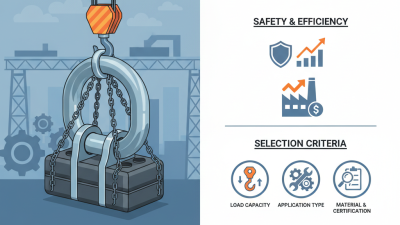
When selecting a swivel hoist ring, it's crucial to consider several key factors. First, assess the load capacity required for your applications. According to industry standards, a hoist ring must be able to handle at least 5 times the expected load weight. This safety factor helps prevent failures during lifting operations.
Material is another vital aspect. Swivel hoist rings are commonly made from carbon steel or stainless steel. The choice affects durability in harsh environments. For outdoor use, stainless steel is often recommended due to its corrosion resistance. Be mindful of the environment where the ring will operate.
**Tips:** Ensure the hoist ring is compatible with your lifting equipment. Check for any specific height or angle limitations. Regularly inspect the rings for signs of wear or damage.
Another important consideration is the swivel range. A wide swivel angle provides flexibility during lifts. However, a larger range may lead to increased wear. Aim for a balance between flexibility and durability. Keep in mind that not all applications require maximum swivel. Sometimes, a limited range is enough.
**Tips:** Evaluate the lifting dynamics involved in your operations. Consider the frequency of use; if high, invest in premium options. Proper training on the ring's use can enhance safety and efficiency during lifts.
Swivel Hoist Ring Selection: Key Factors Comparison
Material and Design Variations in Swivel Hoist Rings
Selecting the right swivel hoist ring is crucial for safety and efficiency in lifting operations. The materials used in these rings can greatly impact their performance. For instance, steel is often favoured for its strength. According to an industry report, steel swivel rings can handle loads up to 30% higher than those made from aluminum. However, aluminum is lighter and more resistant to corrosion, making it suitable for specific environments.
Design variations also play a significant role in functionality. Some designs feature a self-locking mechanism, enhancing security during lifts. This can lead to reducing workplace accidents. A survey indicated that companies utilizing advanced swivel designs saw a 25% decrease in incidents. However, it's essential to consider that more complex designs may require additional training for operators. A simple design might reduce risk but could limit versatility.
There are trade-offs involved. A highly durable ring may cost more upfront but can reduce replacement frequency. Choosing a cheaper option might seem appealing, yet it could lead to increased downtime due to failure. Therefore, understanding material properties and design nuances is vital for making informed decisions in your lifting operations. It's worth investigating all options before settling on a choice.
How to Choose the Right Swivel Hoist Ring for Your Lifting Needs?
| Material |
Load Capacity (lbs) |
Design Type |
Working Load Limit (WLL) |
Safety Factor |
| Steel |
10,000 |
Standard |
8,000 |
5:1 |
| Stainless Steel |
5,000 |
Corrosion Resistant |
4,000 |
5:1 |
| Aluminum |
2,000 |
Lightweight |
1,600 |
5:1 |
| High-Strength Alloy |
15,000 |
Heavy Duty |
12,000 |
5:1 |
Load Capacity and Safety Ratings: What You Need to Know
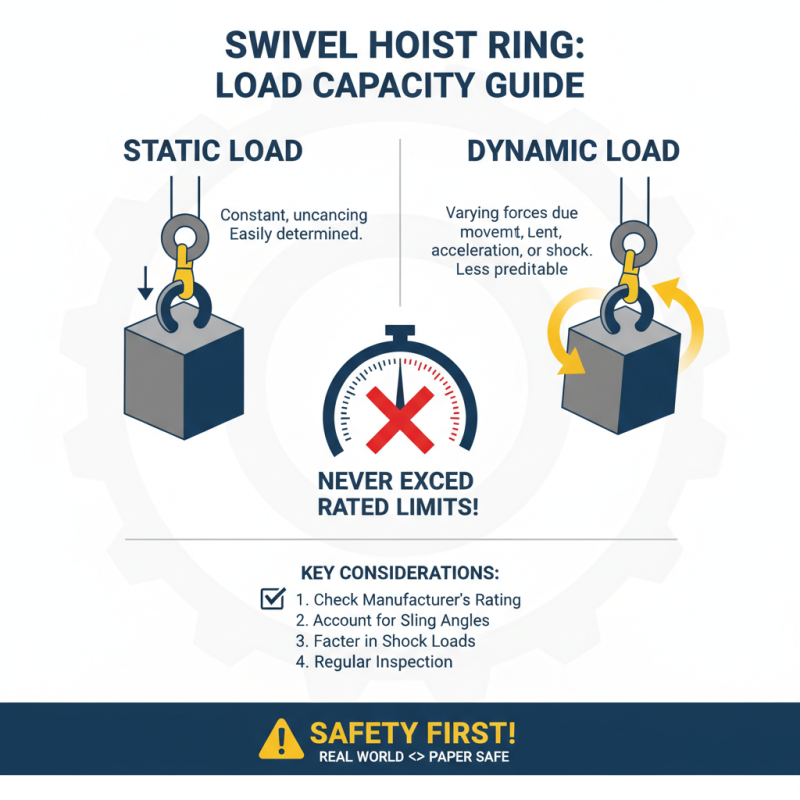
When selecting a swivel hoist ring, understanding load capacity is crucial. Each hoist ring is rated for specific weight limits. Exceeding this limit can lead to failures. Always check the ratings closely. Be aware of dynamic loads versus static loads. Sometimes, what seems safe on paper may not perform well in real-world conditions.
Safety ratings also deserve attention. They are not just numbers; they reflect testing standards. Look for industry certifications to ensure quality. Improper installation can compromise safety, even with a high-rated hoist ring. Installation guides are critical. Skipping this step can lead to accidents.
Consider environmental factors too. If conditions are harsh, additional protective measures may be needed. Rust can weaken materials over time. Cleaning and maintenance routines should be part of your plan. A well-maintained hoist ring has a longer service life. Moreover, it’s wise to review the selection periodically. Needs change, and what worked before may not suffice now. Reflecting on past choices ensures better future outcomes.
Installation and Maintenance Tips for Swivel Hoist Rings
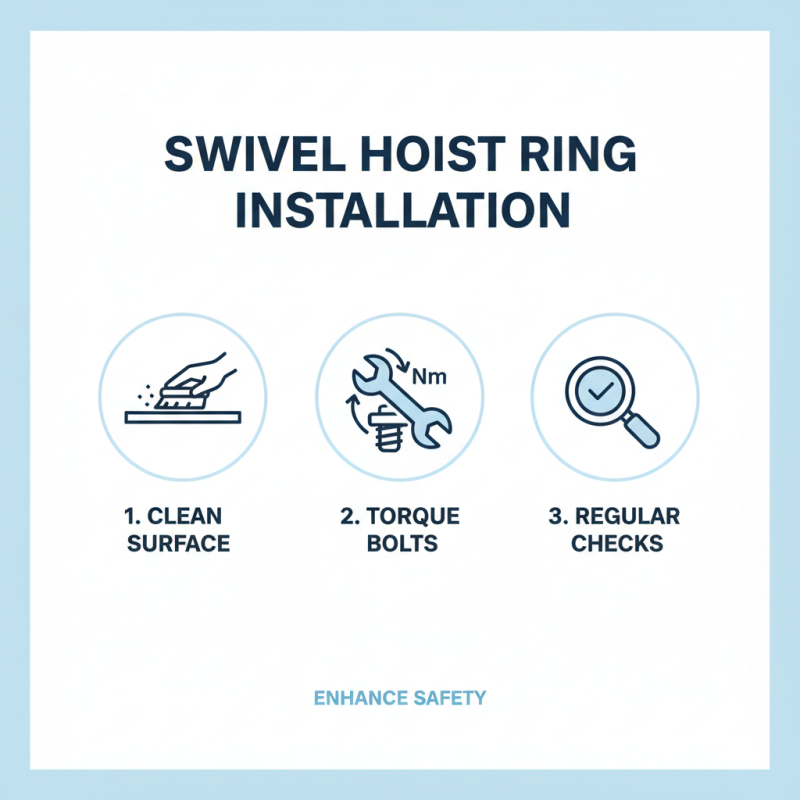
When installing a swivel hoist ring, ensure the mounting surface is clean and free from debris. An uneven surface can lead to improper seating of the ring. Use a torque wrench to tighten the mounting bolts to the specified torque. This prevents loosening over time. Regularly check the tightness of the bolts. It’s easy to overlook this step, but doing so can enhance safety.
Maintenance is equally crucial. Inspect the hoist ring for any signs of wear or damage. Look for cracks or deformations. If you notice anything unusual, replace the ring immediately. Grease the swivel mechanism periodically to reduce friction. Keeping the lubrication up helps in smooth operation. It’s also wise to establish a regular inspection schedule. This can prevent unexpected failures during heavy lifting tasks.
Lastly, always refer to the installation guidelines. These documents provide valuable information on specific requirements for different models. Ignoring them can lead to mistakes. Regular training for staff on hoist ring usage is beneficial. This ensures that everyone understands best practices and safety measures, minimizing risks during operation.