How to Choose the Right Lifting Slings for Your Heavy Lifting Needs
In the construction and manufacturing industries, the demand for effective lifting solutions has never been greater. Lifting slings are vital tools used to handle heavy loads safely and efficiently, making them indispensable in various applications. According to a report by the Occupational Safety and Health Administration (OSHA), improper lifting techniques and inadequate lifting equipment contribute to a significant number of workplace injuries, with material handling incidents accounting for nearly 25% of all recorded injuries. This highlights the importance of selecting the right lifting slings to ensure safety, compliance, and operational efficiency.
When evaluating lifting slings for heavy lifting needs, it’s essential to consider factors such as material strength, configuration, and load type. Industry standards, including those set by the American Society of Mechanical Engineers (ASME), emphasize the necessity of using slings that are appropriately rated for the specific weight and nature of the loads to be handled. Additionally, a study from the National Institute for Occupational Safety and Health (NIOSH) indicates that selecting the right type of lifting sling can reduce the risk of accidents and enhance productivity on job sites. As the landscape of industrial lifting continues to evolve, understanding how to choose the most suitable lifting slings plays a crucial role in safeguarding workers and optimizing performance.

Understanding Different Types of Lifting Slings Available in the Market
When selecting lifting slings for heavy lifting needs, it's crucial to understand the various types available and their specific applications.
Lifting slings come in different materials, including nylon, polyester, and wire rope. According to the Material Handling Industry of America (MHIA), synthetic slings, particularly those made from polyester, have seen a 30% increase in popularity due to their lightweight characteristics and resistance to abrasion. These slings are ideal for delicate loads as they are less likely to damage the surface of the items being lifted.
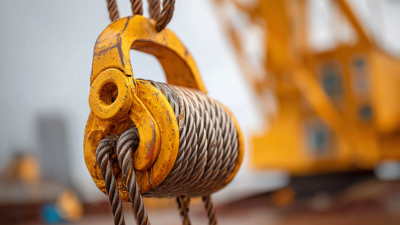
Another widely used type is the wire rope sling, which boasts significant strength and durability. American National Standards Institute (ANSI) reports that wire rope slings can handle heavier loads compared to synthetic alternatives, making them suitable for industrial applications where high weight capacities are necessary. However, wire rope slings can be cumbersome and may require additional protective measures to avoid damage during lifting.
Tips: When choosing a lifting sling, always consider the load weight, the type of material, and the environment in which the sling will be used. For example, in outdoor settings where exposure to UV light is a concern, synthetic slings may degrade over time unless treated for protection. Additionally, regularly inspect your lifting slings for wear and tear to ensure safe lifting practices.
Factors to Consider When Choosing Lifting Slings for Heavy Loads
When selecting the right lifting slings for heavy loads, several key factors must be taken into consideration to ensure safety and efficiency. First and foremost, understanding the weight and dimensions of the load is crucial. The lifting capacity of the sling must exceed the weight of the load, factoring in any potential dynamic forces that may occur during lifting. Additionally, the dimensions and shape of the load will influence the type and configuration of the sling needed, as different shapes may require distinct lifting techniques.
Another important factor is the material of the lifting sling. Common materials include nylon, polyester, and wire rope, each offering different benefits and applications. For instance, nylon slings are known for their flexibility and stretch, which can help in absorbing shock during lifting. In contrast, polyester is less elastic and is ideal for applications where stability is paramount. Furthermore, environmental conditions, such as exposure to chemicals, heat, or moisture, can also impact material selection. It’s essential to assess the work environment and choose slings that can withstand these conditions to prevent premature wear or failure during use.
Evaluating the Weight Capacity and Safety Ratings of Lifting Slings
When selecting lifting slings for heavy lifting tasks, evaluating the weight capacity and safety ratings is paramount to ensure a safe and efficient lifting operation. The weight capacity of a lifting sling dictates the maximum load it can support without risk of failure. This capacity varies based on the material, design, and construction of the sling. It is crucial to assess not only the weight of the item being lifted but also to consider dynamic loads and factors like sling angle, which can affect performance significantly. Always choose a sling with a weight capacity that exceeds the anticipated load to provide a margin of safety.
In addition to weight capacity, safety ratings are essential for ensuring the reliability of lifting slings. Safety ratings are determined by various standards and guidelines that assess the slings under different conditions. Look for certifications that indicate compliance with industry safety standards. It’s also wise to regularly inspect lifting slings for any signs of wear or damage, as these factors can compromise their strength and safety ratings. By understanding these elements, users can make informed choices, ensuring that the chosen lifting slings provide both the necessary support and reliability for their heavy lifting needs.
How to Choose the Right Lifting Slings for Your Heavy Lifting Needs - Evaluating the Weight Capacity and Safety Ratings of Lifting Slings
| Lifting Sling Type |
Weight Capacity (lbs) |
Safety Rating (1-10) |
Material |
| Nylon Round Sling |
8,000 |
9 |
Nylon |
| Polyester Web Sling |
6,000 |
8 |
Polyester |
| Chain Sling |
10,000 |
10 |
Steel |
| Synthetic Web Sling |
7,500 |
9 |
Polyester |
| Wire Rope Sling |
15,000 |
10 |
Steel |
Material Selection: Choosing the Right Fabric for Your Lifting Slings
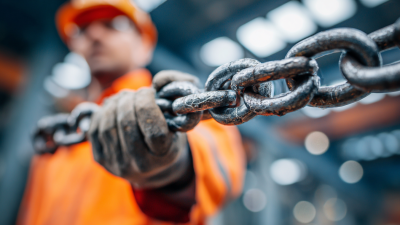
Choosing the right material for lifting slings is crucial to ensure safety and efficiency during heavy lifting operations. The most commonly used materials for lifting slings are nylon, polyester, and chain. Nylon slings are known for their elasticity and ability to absorb shock, which makes them ideal for dynamic loads. However, they have a lower resistance to UV light and chemicals, so they may not be suitable for outdoor use. Polyester, in contrast, offers excellent UV resistance and minimal stretch, making it a favored choice for many lifting applications. For heavy-duty tasks, chain slings are durable and resistant to abrasions but can be heavier and more cumbersome to handle.
Tips: When selecting the fabric for your lifting slings, consider the working environment. If the sling will be exposed to harsh conditions, including chemicals or extreme temperatures, opt for materials specifically designed for those environments. Additionally, always check the weight capacity of the sling material to ensure it matches or exceeds the weight of the load you intend to lift.
Another crucial factor in material selection is the type of lifting being performed. For precision lifting where control is essential, synthetic slings like nylon or polyester are preferred due to their flexibility. If you are dealing with sharp edges on the load, a sleeve or protective cover can help prevent damage to the sling and ensure longevity.
Material Selection for Lifting Slings
Maintenance and Inspection Practices for Ensuring Sling Longevity and Safety
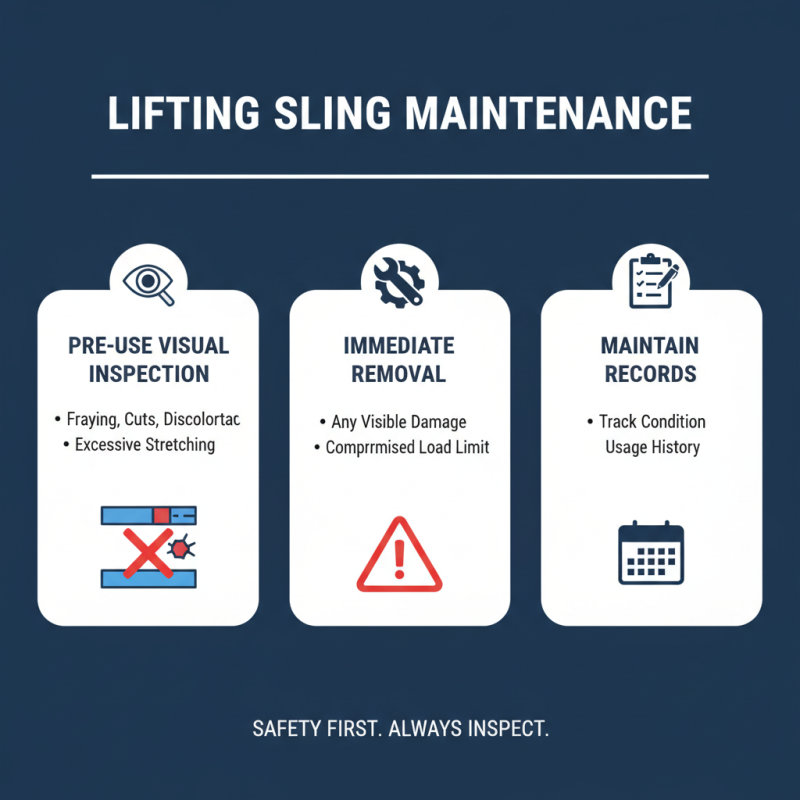
When it comes to maintaining lifting slings, regular inspection is crucial to ensure their longevity and safety. Lifting slings should be visually inspected before each use for signs of wear, such as fraying, cuts, or discoloration. Any visible damage should warrant immediate removal from service. It's also essential to check for any unusual or excessive stretching, as this can indicate that the sling has reached its load limit or has become compromised over time. Keeping a record of inspections can help track the condition and usage history of each sling.
In addition to routine inspections, proper maintenance practices must be established to prolong the life of lifting slings. This includes cleaning them according to the manufacturer's guidelines, as contaminants like dirt, grease, or chemicals can degrade the material. Slings should be stored in a cool, dry place away from direct sunlight and harsh conditions that may cause deterioration. Furthermore, operators should be trained in the correct techniques for lifting and rigging to minimize unnecessary stress on slings. By adhering to these maintenance and inspection practices, users can maximize safety while ensuring their lifting equipment remains in optimal condition.