How to Choose the Right Swivel Eye Bolt for Lifting Applications Based on Load Requirements
When selecting the appropriate swivel eye bolt for lifting applications, understanding the load requirements is critical to ensure safety and efficiency. According to industry reports, improper selection of rigging hardware can lead to equipment failure, posing significant risks to personnel and material.
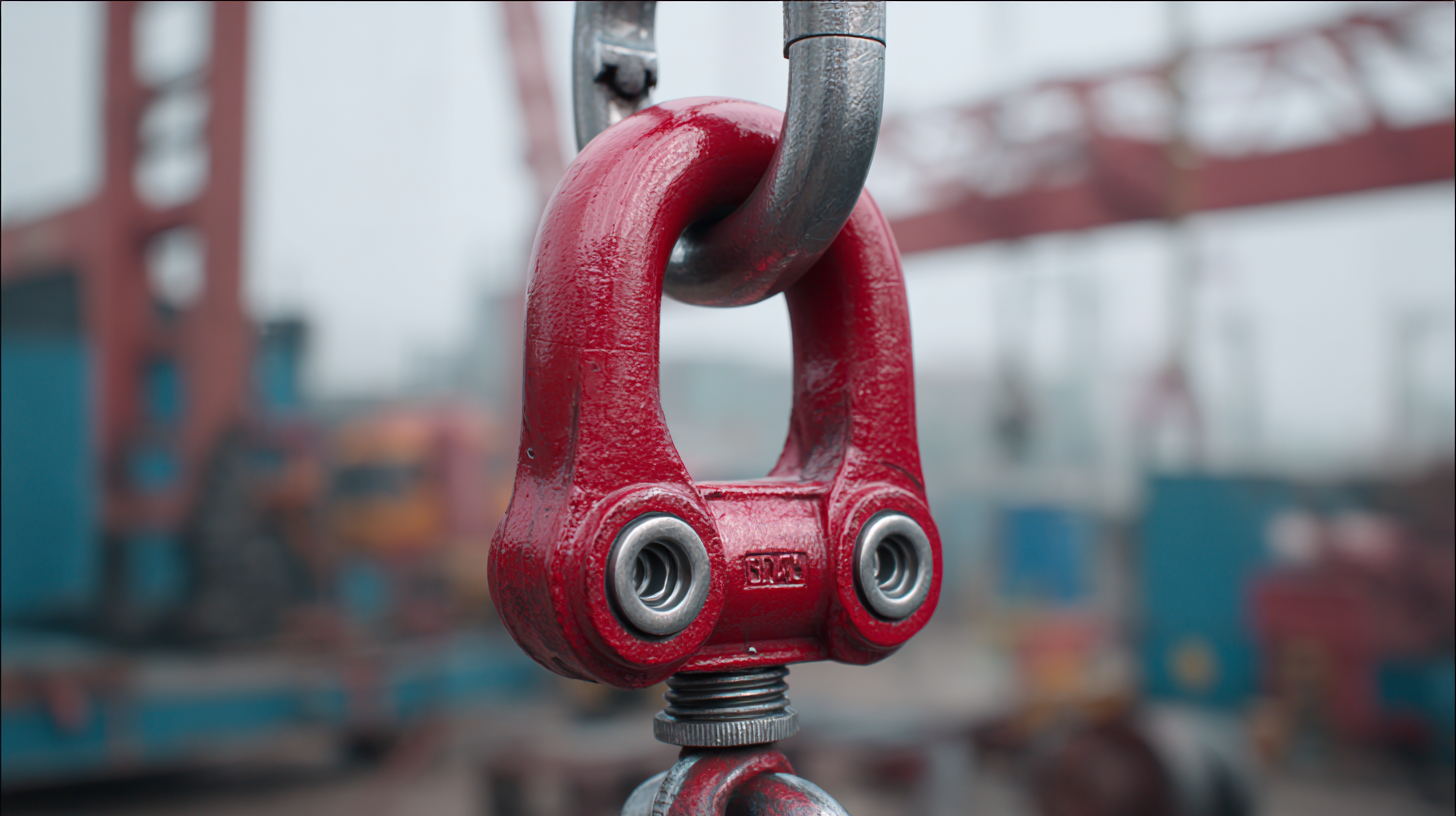 Swivel eye bolts are favored in applications requiring rotational movement, but they must be carefully matched to the load's weight and dynamics.
Statistics indicate that a significant percentage of lifting accidents stem from inadequate understanding of load limits and improper hardware choice. For instance, the Occupational Safety and Health Administration (OSHA) emphasizes the importance of adhering to manufacturer specifications regarding load ratings.
Therefore, this guide will discuss essential factors in choosing the right swivel eye bolt, including material, size, load capacity, and design features, to help users make informed decisions that enhance safety and productivity in lifting operations.
Swivel eye bolts are favored in applications requiring rotational movement, but they must be carefully matched to the load's weight and dynamics.
Statistics indicate that a significant percentage of lifting accidents stem from inadequate understanding of load limits and improper hardware choice. For instance, the Occupational Safety and Health Administration (OSHA) emphasizes the importance of adhering to manufacturer specifications regarding load ratings.
Therefore, this guide will discuss essential factors in choosing the right swivel eye bolt, including material, size, load capacity, and design features, to help users make informed decisions that enhance safety and productivity in lifting operations.
Understanding Load Requirements for Lifting Applications
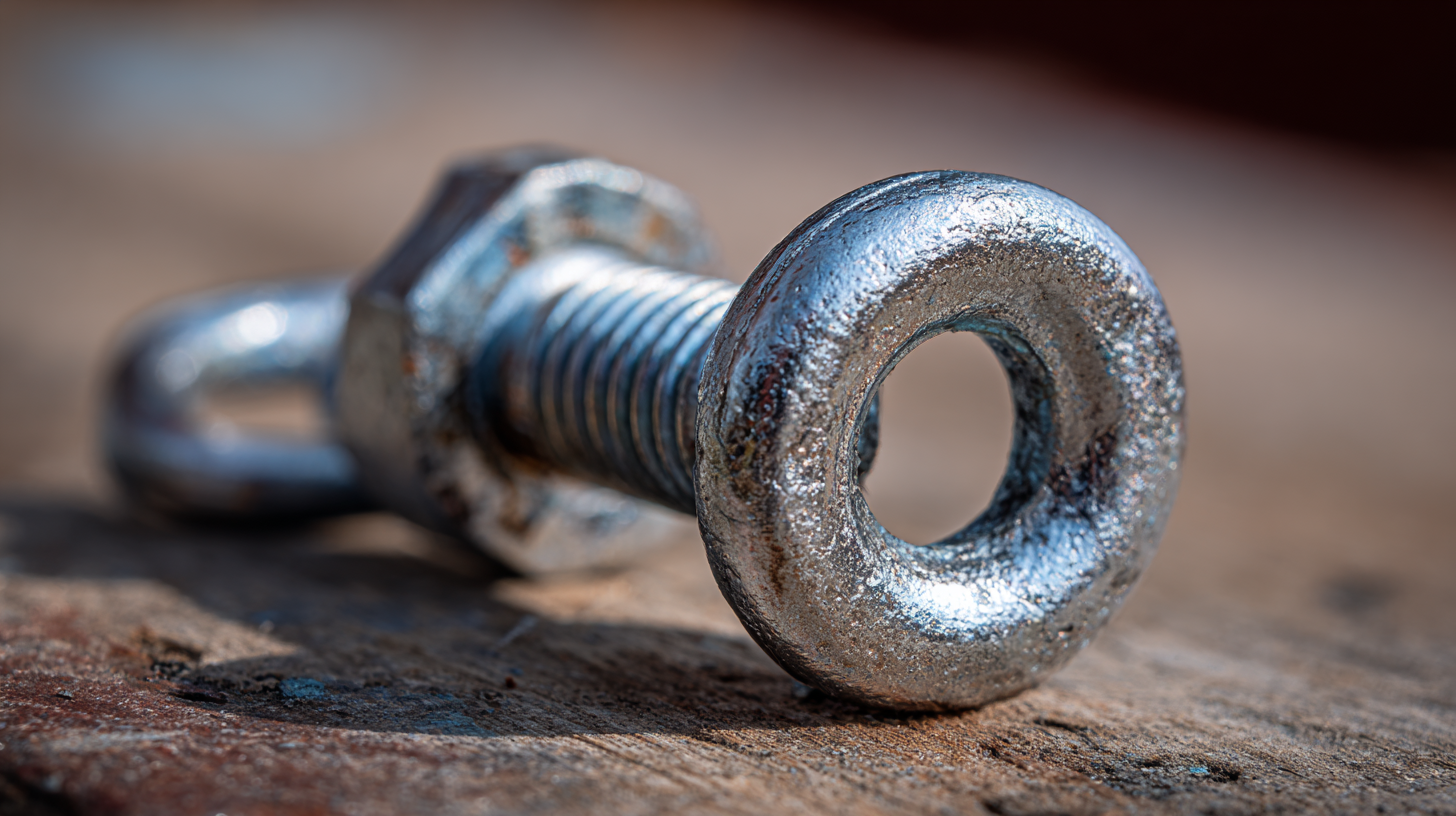 When selecting a swivel eye bolt for lifting applications, understanding the load requirements is crucial to ensure safety and effectiveness. According to industry reports, such as the "Lifting Equipment Manufacturers Association" (LEMA) guidelines, the working load limit (WLL) of any lifting equipment must be clearly understood to prevent overloading. Generally, a safety factor of at least 5:1 is recommended for dynamic load applications, meaning that if your load is 2000 lbs, your equipment should be rated for at least 10,000 lbs.
Additionally, the type of load and the manner in which it will be lifted also influence the choice of swivel eye bolts. For instance, static loads require different considerations compared to dynamic loads, with the latter being subject to additional forces during movement. A study by the Engineering Toolbox indicates that the angle of lift can also affect load distribution, emphasizing the need for proper rigging practices. Therefore, before purchasing a swivel eye bolt, it's essential to analyze specific lifting scenarios and consult manufacturer specifications to ensure compatibility with load capacity requirements.
Types of Swivel Eye Bolts and Their Specifications
When selecting the right swivel eye bolt for lifting applications, understanding the various types and their specifications is crucial. Swivel eye bolts come in numerous styles, including drop forged options that are zinc-plated for added durability. Standard sizes range from 6mm to 56mm, ensuring that you can find a bolt suitable for your specific load requirements. These eye bolts are versatile and can be used in a wide array of scenarios, from industrial lifting to securing equipment.
Tips: Always refer to the load rating of the swivel eye bolt and make sure it meets or exceeds your lifting needs. Additionally, consider the material of the bolt; forged carbon steel offers greater strength compared to regular steel options. It is also wise to check for any standards, such as JIS (Japanese Industrial Standards), that the eye bolts meet, ensuring reliability and safety in your lifting applications.
How to Choose the Right Swivel Eye Bolt for Lifting Applications Based on Load Requirements
| Type |
Load Capacity (lbs) |
Material |
Diameter (mm) |
Safety Factor |
| Standard Swivel Eye Bolt |
2000 |
Steel |
10 |
5:1 |
| Heavy-Duty Swivel Eye Bolt |
5000 |
Stainless Steel |
12 |
6:1 |
| Corrosion-Resistant Swivel Eye Bolt |
3000 |
Galvanized Steel |
10 |
5:1 |
| Marine Grade Swivel Eye Bolt |
4000 |
Marine Grade Aluminum |
15 |
6:1 |
| Swivel Eye Bolt with Locking Mechanism |
3500 |
Tool Steel |
11 |
7:1 |
Material Considerations for Swivel Eye Bolts in Heavy Lifting
When selecting a swivel eye bolt for heavy lifting applications, the material from which the bolt is manufactured plays a critical role in ensuring safety and performance. Common materials used in swivel eye bolts include steel, stainless steel, and aluminum, each offering unique benefits that cater to different lifting scenarios. According to industry reports, steel bolts typically provide higher tensile strength than their aluminum counterparts, making them suitable for heavy-duty applications where load requirements exceed 25,000 lbs. Conversely, stainless steel offers excellent resistance to corrosion, making it ideal for marine and other corrosive environments.
Furthermore, the choice of material should also consider factors such as temperature resistance and weight. For instance, reports indicate that while aluminum bolts are significantly lighter, they typically possess lower load capacities, usually not exceeding 8,000 lbs. This makes them more suitable for lighter lifting tasks. Additionally, when using swivel eye bolts in environments exposed to extreme temperatures, it's essential to select materials that can withstand such conditions without compromising integrity. Selecting the right material not only enhances safety but also optimizes operational efficiency in lifting applications.
Safety Ratings and Certifications for Swivel Eye Bolts
When selecting a swivel eye bolt for lifting applications, understanding safety ratings and certifications is crucial. These ratings indicate the bolt's acceptable load limits and its ability to withstand various environmental conditions. It is important to check for compliance with standards set by organizations such as ASTM, ISO, or ASME, as these specifications ensure reliability and safety during lifting operations.
Tip: Always refer to the manufacturer's documentation to confirm the safety rating before use. This documentation often provides details on maximum load capacity and the intended application, ensuring you choose a bolt designed for your specific needs.
Additionally, look for swivel eye bolts that feature third-party certifications. These certifications not only validate the manufacturer’s claims but also provide assurances that the product has undergone rigorous testing. Products with these certifications will generally perform better under load and offer greater peace of mind during lifting operations.
Tip: When in doubt, err on the side of caution—select a swivel eye bolt that exceeds the expected load requirements to account for dynamic loads and potential overloads during lifting. This proactive approach significantly enhances safety during your lifting applications.

Installation Best Practices for Swivel Eye Bolts in Lifting Systems
When installing swivel eye bolts in lifting systems, following best practices is crucial for ensuring safety and effectiveness. Before installation, it is important to inspect the bolt for any signs of damage or corrosion. The installation environment should also be evaluated; factors such as load direction and potential for movement can significantly impact performance. Use a compatible wrench to ensure that the bolt is tightened to the appropriate torque specifications, as under or over-tightening can lead to failure during operations.
During installation, it’s vital to ensure that the swivel eye is aligned correctly with the load direction. Misalignment not only increases wear on the bolt but can also lead to sudden failures. It's advisable to use a thread locker to secure the bolt and prevent loosening over time. Additionally, consider the use of safety shackles or other connectors to further enhance the stability of the lifting system. Regular inspections post-installation are essential to detect any wear and to ensure that all components are functioning properly in compliance with load requirements.