How to Choose the Right Rigging Equipment for Your Needs?
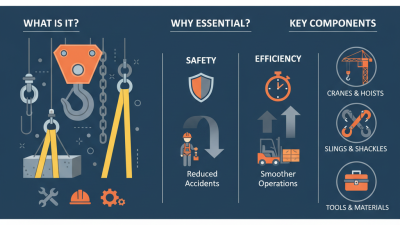
Choosing the right rigging equipment is crucial for any lifting project. The right tools ensure safety and efficiency. Many factors influence this choice. It is not just about picking the latest gear; understanding your specific needs is essential.
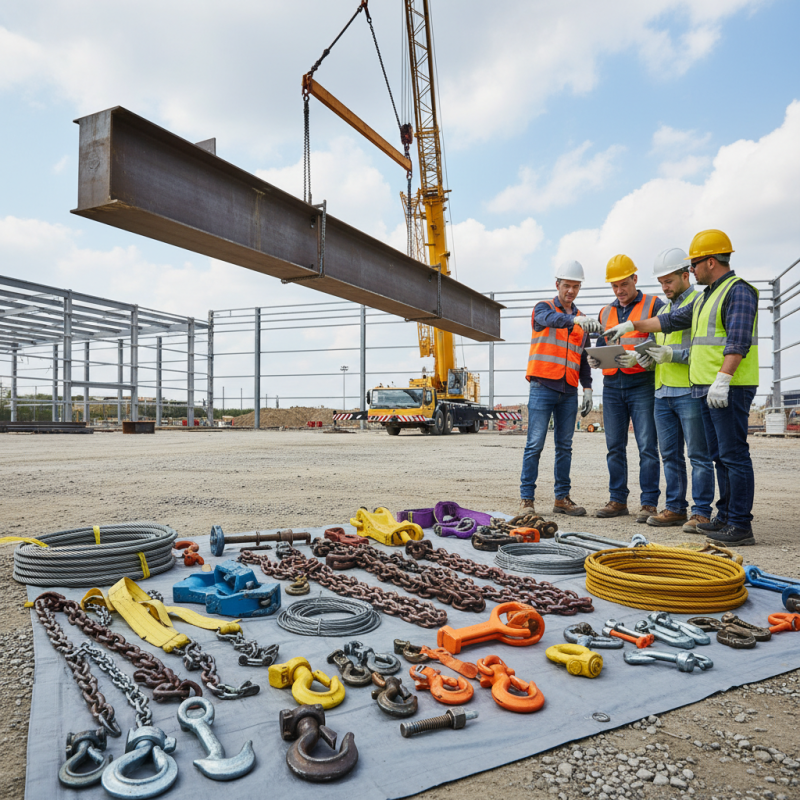
Consider the weight and type of materials you plan to lift. Different rigging equipment offers varying capacities. For instance, chain slings are durable for heavy loads, while wire rope is more flexible. Reflect on your project requirements carefully. Mismatched equipment can lead to accidents or delays.
Another key aspect is the environment. Outdoor projects face different challenges than indoor ones. Weather conditions can affect performance. Think about the conditions your rigging equipment will endure. Prior experience and expertise also matter. Sometimes, it’s hard to know if you have the right tools. Asking for guidance can help avoid pitfalls.
Understanding the Basics of Rigging Equipment and Its Applications
Rigging equipment is essential across various industries. This includes construction, shipping, and entertainment. Understanding the basics helps in making informed decisions. Reports indicate that the global rigging equipment market is set to reach $13.8 billion by 2026, highlighting its growing importance.
Basic rigging equipment includes slings, hooks, and shackles. Each type serves a specific purpose and can vary in strength and durability. For instance, synthetic slings are lightweight, but they may not withstand harsh conditions as well as steel slings. It's critical to evaluate the environment where the equipment will be used.
Not all equipment is foolproof. Errors can lead to accidents. In fact, the Bureau of Labor Statistics reported over 20,000 injuries related to rigging each year. Industry professionals recommend regular inspections and training. Relying solely on technology without manual checks can be risky. Users should always consider the limitations and potential failures of their rigging setup.
Evaluating Load Requirements and Safety Factors for Rigging Equipment
When selecting rigging equipment, understanding load requirements is crucial. Calculate the weight of the load accurately. Overloading equipment can lead to failures. Safety must always come first. Identify the dynamic loads too, as they vary from the static weight. This means the equipment may experience more stress than anticipated.
Evaluating safety factors is equally important. Look at the working load limit (WLL) of each piece. Different materials provide different strength levels. Always consider the environmental conditions. Is it wet or dusty? Each factor can affect performance. If in doubt, choose equipment with a higher capacity. It's better to have a safety margin.
Furthermore, reflect on the equipment’s history and condition. Old or damaged gear can be risky. Regular inspections are a must, but even then, you can't always catch every issue. Pay attention to wear and tear signs. In the end, think beyond just numbers—consider the entire rigging process and all potential risks involved.
Types of Rigging Equipment: Cables, Slings, and Hardware Explained
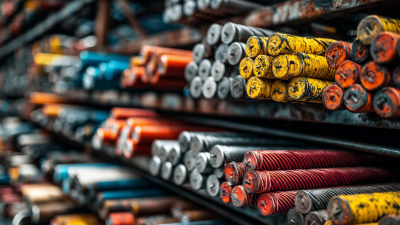
When selecting rigging equipment, understanding the types available is crucial. Cables, slings, and hardware each play distinct roles in lifting operations. According to the Rigging Industry Report 2022, cables account for 40% of rigging equipment in use. They are designed for strength and flexibility. Steel wire ropes are common, facilitating hefty lifts, while synthetic cables can offer lighter alternatives for specific tasks.
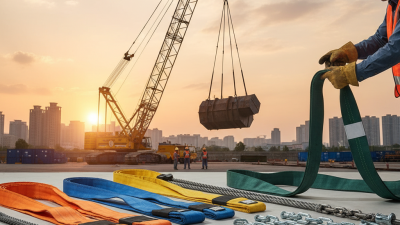
Slings come next, and they are vital for weight distribution during lifts. The same report indicates that slings make up about 30% of rigging tools. Options include chain slings, which can handle extreme loads, and round slings, which provide a softer touch to delicate items. Choosing the right sling impacts safety and efficiency; improper selection can lead to accidents.
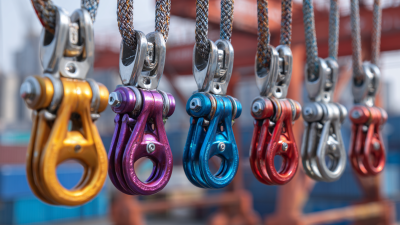
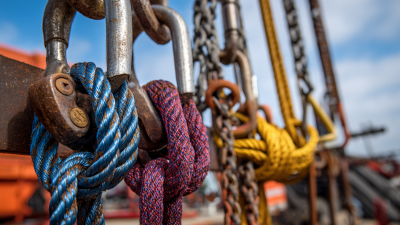
Lastly, hardware includes shackles, hooks, and connectors. It contributes to 30% of rigging solutions according to market analysis. Proper hardware ensures all components work harmoniously. However, users frequently overlook the wear and tear of hardware, which can compromise safety. Reflecting on these details is essential for ensuring effective and safe rigging practices.
How to Choose the Right Rigging Equipment for Your Needs?
| Type of Equipment |
Description |
Capacity |
Usage |
| Wire Rope |
A strong cable made of strands of wire twisted together. |
Up to 70 tons |
Heavy lifting, construction sites |
| Chain Sling |
Flexible and strong, suitable for lifting heavy loads. |
Up to 50 tons |
Manufacturing, shipping |
| Synthetic Sling |
Lightweight and non-scratch, ideal for delicate surfaces. |
Up to 20 tons |
Lifting fragile items, machinery |
| Rigging Hardware |
Includes hooks, shackles, and connectors for additional support. |
Varies by component |
General use in rigging applications |
| Pulley Systems |
Systems using wheels to change direction of force, improving efficiency. |
Up to 30 tons |
Construction, industrial applications |
Maintaining and Inspecting Rigging Equipment for Optimal Performance
Maintaining and inspecting rigging equipment is crucial for safety and efficiency. Every piece of equipment should be examined regularly, as wear and tear can occur unexpectedly. Take the time to look for any signs of damage or stress. For instance, frayed ropes or cracked hooks can lead to serious accidents. It’s easy to overlook small issues, but they can turn into larger problems.
Routine inspections should include checking connections and hardware components. Ensure all components are functioning correctly. A simple checklist can help track the condition of equipment. Documenting damages and repairs may also improve accountability. It’s tempting to skip these steps when busy, but neglecting them is dangerous. Every rigging job can pose risks if equipment isn’t properly maintained.
Storing rigging equipment correctly is another vital aspect of upkeep. Humidity and poor storage can weaken components over time. Create a safe space for all equipment, away from direct sunlight or moisture. Sometimes, simple steps get ignored in the hustle of work. However, these measures can extend the lifespan of your gear and ensure safe operations. Prioritizing these inspections and maintenance activities can save time and resources down the line.