How to Choose the Right Steel Wire Rope for Your Project
Choosing the right steel wire rope for your project is crucial. Expert Jane Smith, a leading engineer in the industry, states, “The right wire rope can make or break your project's success.” Her words ring true, emphasizing the importance of selecting the appropriate steel wire rope.
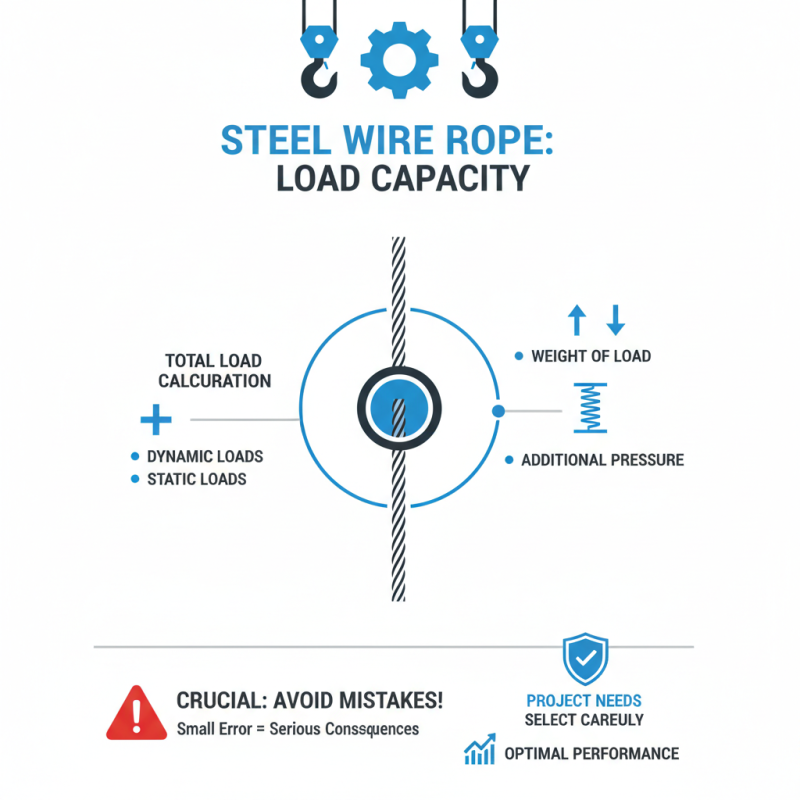
Different projects require specific types of steel wire rope. Factors such as load capacity, material properties, and environmental conditions play significant roles. Selecting the wrong type can lead to failure and serious consequences. For instance, using a lighter rope for heavy lifting can result in accidents or equipment damage.
Understanding your project's unique needs is vital. Not every steel wire rope suits every task. Some projects may demand flexibility, while others may require high tensile strength. Take your time to study options, and don’t ignore details. The consequences of a poor choice can be significant.
Understanding the Different Types of Steel Wire Rope Available
When it comes to steel wire ropes, options abound. Each type serves different needs. The most common types include galvanized, stainless steel, and special purpose ropes. Galvanized steel wire rope often offers good corrosion resistance. It is an affordable choice for many applications.
Stainless steel wire ropes are known for their durability. They are ideal for outdoor use and marine environments. However, their cost can be higher. Special purpose ropes may include high-performance options. These can handle extreme conditions but require careful selection.
Choosing the right steel wire rope isn't always straightforward. Consider load capacity and environment. Reflect on the rope’s lifespan and maintenance needs. Sometimes, a less expensive option may wear out quickly, leading to increased costs later. Balancing immediate budget and long-term needs is essential.
How to Choose the Right Steel Wire Rope for Your Project
| Type of Steel Wire Rope |
Diameter (mm) |
Breaking Strength (kN) |
Weight (kg/m) |
Applications |
| 6 x 19 Class |
8 |
52.0 |
0.62 |
Construction, cranes |
| 7 x 7 Class |
10 |
79.0 |
0.98 |
Lifting and towing |
| 6 x 36 Class |
12 |
126.0 |
1.17 |
Mining, marine applications |
| 8 x 19 Class |
14 |
186.0 |
1.52 |
Hoisting, lifting |
| 19 x 7 Class |
16 |
249.0 |
2.04 |
Elevators, cranes |
Key Factors to Consider When Choosing Steel Wire Rope
When choosing steel wire rope, key factors come into play.
Consider the load capacity. How much weight will it carry? Assessing this helps in selecting the right rope diameter and construction.
Thicker ropes generally handle more weight, but they can be heavier and less flexible.
Another crucial aspect is the environment.
Will it be exposed to moisture or chemicals? Corrosion-resistant coatings may be necessary for longevity.
Similarly, the operational conditions matter. High temperatures or frequent bending can affect the rope’s performance.
Pay attention to the construction type as well.
There are different strands and core materials available. Each has unique properties.
A wire rope with a fiber core provides more flexibility, while steel cores offer increased strength.
Reflect on your project’s specific needs and limitations. Choosing the right wire rope is essential,
but it often involves navigating through various options and uncertainties.
Evaluating Environmental Conditions and Their Impact on Material Choice
When choosing a steel wire rope, environmental conditions are crucial. The climate and location of your project can significantly influence the durability of the material. For instance, if you are working in a coastal area, saltwater exposure can lead to corrosion. In such cases, using galvanized wire ropes or those with protective coatings may be beneficial. The harshness of local weather should inform your choice.
Temperature is another important factor. Extreme heat or cold can affect the flexibility and strength of steel wire ropes. In high-temperature environments, steel can become more malleable, while low temperatures may make it brittle. It's essential to understand these potential changes and select a wire rope that can withstand your site's conditions. There might be a need to reassess your options, as what worked in one climate may not perform well in another.
Additionally, consider the potential for unexpected environmental stressors. Natural elements, like rocks or vegetation, can impose extra wear. This could necessitate using thicker cables or those specifically designed for tougher terrains. Ignoring these factors may lead to failures, resulting in costly delays and safety issues. Each decision should weigh the unique challenges posed by your environment. Reflect on past projects to make informed choices moving forward.
Environmental Conditions Impact on Steel Wire Rope Selection
This bar chart illustrates how different environmental conditions can impact the selection of steel wire rope for projects. Each factor is rated on a scale from 1 to 100 based on its significance in influencing material choice.
Maintenance and Care for Longevity of Steel Wire Rope Usage
Steel wire ropes are vital in many applications, but they require proper care. Regular maintenance can extend their lifespan significantly. Inspecting the rope often can help identify wear and tear. Look for signs of fraying or corrosion. Catching issues early can prevent accidents.
Tips: Always clean the wire rope after use. Dirt and debris can trap moisture and cause rust. Use a soft brush to remove grime. Applying lubrication can also reduce friction and prolong durability.
Avoid overloading the wire rope. Even minimal excess weight can lead to damage. Understand the weight limits specific to your project. Remember, safety is paramount. Sometimes, meticulous maintenance feels tedious. However, those small efforts can ensure the rope remains functional and safe. Regular care ultimately pays off in the long run.