Global buyers rarely notice a shackle until a lift is delayed or a load shifts. That is why choosing a dependable rigging supply partner involves more than comparing unit prices. Buyers need traceable product information, clear load ratings, consistent inspection records, and practical support for selecting compatible hardware. A polished catalog helps. It is not proof of quality.
The U.S. Bureau of Labor Statistics reported 5,283 fatal work injuries across all industries in 2023. This figure is not specific to rigging, but it underscores why lifting decisions deserve careful attention. OSHA’s 29 CFR 1910.184 also sets requirements for the use and inspection of slings in general industry. Buyers should confirm that products and documentation match the intended application, and consult qualified personnel when a lift presents unusual risks.
A word of caution: no source material was provided to verify a named rigging expert’s quotation or a rigging-supply market statistic. Inventing either would weaken trust. Instead, this guide focuses on practical checks global purchasers can make: material and capacity details, certificates, inspection guidance, communication, and delivery reliability. A supplier may look capable online, yet small gaps in paperwork matter. The best choice is not always the cheapest—or the most visible.
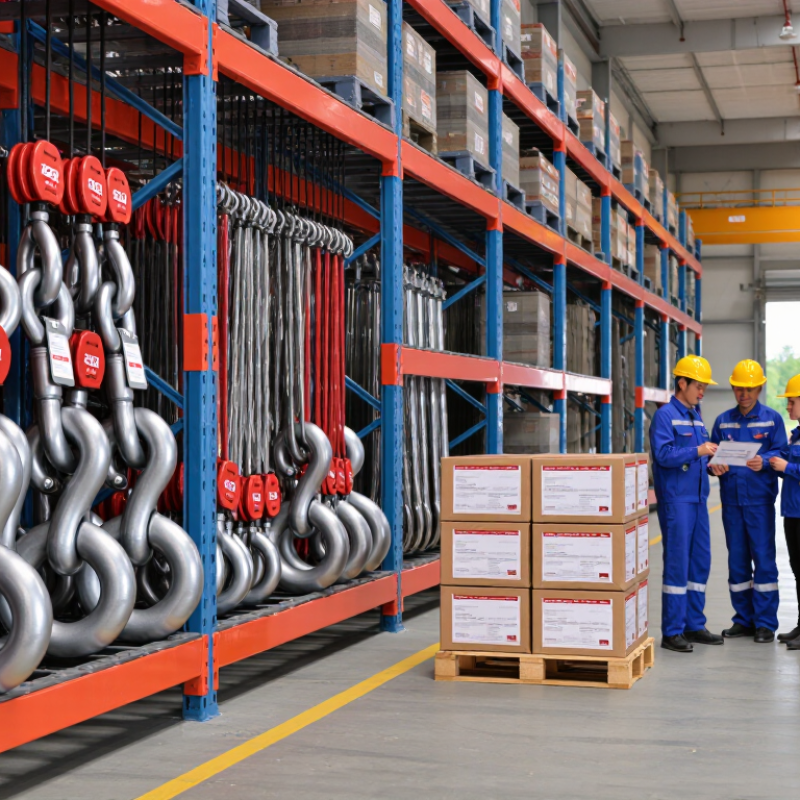
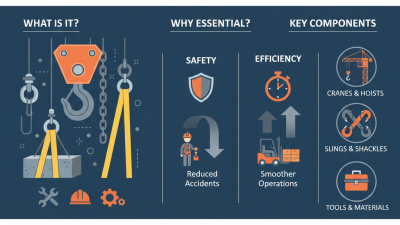
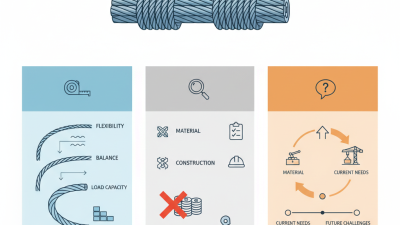
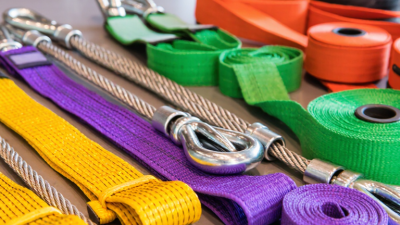
Rigging supply covers the equipment that connects, lifts, supports, and controls heavy loads. Slings may use wire rope, chain, or synthetic webbing. Each type suits different temperatures, edges, and lifting angles. A sling is not automatically safe because it looks thick. Its working load limit depends on material, configuration, and angle.
Shackles create secure connections between slings, lifting points, and hardware. Their pins must match the body and remain fully engaged. Hoists provide controlled lifting through manual, electric, or other approved mechanisms. Load-bearing components include hooks, eyebolts, master links, and lifting beams. Every component needs clear markings, rated capacity, and suitable inspection records.
Small details matter. Check cuts, deformation, corrosion, stretched links, and damaged threads before use. Keep sharp edges away from synthetic slings. Confirm the load’s weight and center of gravity before lifting. Never rely on a certificate alone. Certificates support traceability, but competent inspection remains essential.
In real operations, rushed checks and unclear load data still cause preventable mistakes. A better supplier provides technical documents, batch identification, inspection guidance, and responsive support. Buyers should also verify compatibility with local standards and site procedures. Some specifications appear complete, yet important details may still be missing. That uncertainty deserves a question before equipment reaches the lifting area.
China Best Rigging Supply for Global Buyers
How Working Load Limits (WLL) Guide Safe Rigging Equipment Selection
Working Load Limit, or WLL, defines the maximum safe load for a rigging item under stated conditions. It is not the breaking strength. A web sling marked 2,000 kilograms may support less when used at an angle. Check the manufacturer’s table before lifting.
Experienced riggers inspect the entire load path. The sling, shackle, hook, and lifting point must suit the load together. The weakest component controls the operation. Sharp steel edges can cut fibers, so corner protectors are necessary. A twisted sling needs correction before tension begins. Small mistakes matter.
WLL also changes with heat, chemicals, abrasion, and uneven loading. Readable labels should show capacity, material, length, and inspection information. Reliable suppliers provide test records, clear drawings, and traceable production details. During purchasing, ask how capacity was verified, not only what the catalog claims. A rushed choice can look efficient, but it often creates delays during inspection. I have seen teams focus on price and overlook a damaged label. That lesson remains uncomfortable, and useful.
Stop using any item with burns, broken stitching, stretched links, or serious corrosion. Verify the load weight, lifting angle, and connection points before every lift.
Textile slings are valued for their flexibility, light weight, and ability to handle finished loads without marking them. EN 1492-1 sets requirements for flat woven webbing slings, including materials, construction, marking, and testing. One key benchmark is the 7:1 design factor: the sling’s minimum breaking force is seven times its working load limit under specified test conditions. This ratio is not permission to lift seven times the rated load. Never do that.
For buyers, the label matters. Check the working load limit, sling configuration, material, and traceability details before selecting a sling. A straight lift and a basket hitch can have different capacities, and sharp edges may damage webbing quickly. Protect the sling where contact could cut or abrade it. Inspect seams, labels, and the full length before use; remove damaged or unreadable slings from service. Even a compliant sling can be misused, and a quick visual check may miss internal wear. That deserves attention. The standard provides a useful benchmark, but safe lifting still depends on the load, rigging method, and competent handling.
| Benchmark | EN 1492-1 Reference | Practical Meaning for Buyers |
|---|---|---|
| Product scope | Flat woven webbing slings made from man-made fibres | Confirm that the product type and intended application fall within the standard’s scope. |
| Design factor | 7:1 minimum design factor for the sling assembly | This is a design and strength relationship, not an additional lifting allowance. Never exceed the marked working load limit (WLL). |
| Rated capacity | WLL is stated for the specified sling configuration | Check the sling label and manufacturer’s load chart; capacity can change with hitch type and lifting arrangement. |
| Colour identification | Standard colour coding commonly identifies nominal WLL classes: violet 1 t, green 2 t, yellow 3 t, grey 4 t, red 5 t, brown 6 t, blue 8 t, and orange 10 t or above | Use colour as a quick reference only. Verify the actual WLL on the sling identification label. |
| Identification label | Labels identify key information such as the applicable standard, WLL, material, and manufacturer or supplier traceability details | Ensure the label is legible and securely attached before use; do not rely on packaging or colour alone. |
| Configuration and load angle | Permitted WLL depends on the marked configuration and applicable load conditions | Follow the product’s load chart and lifting plan. Do not assume a straight lift rating applies to a basket or multi-leg arrangement. |
| Inspection and service condition | Slings should be inspected and maintained in accordance with applicable requirements and the manufacturer’s instructions | Remove a sling from service if damage, missing identification, or other defects make its safe use uncertain; seek a competent assessment. |
| Procurement verification | Conformity documentation should correspond to the specific sling type and applicable standard edition | Request product-specific documentation, traceability information, and clear labelling when evaluating suppliers for international orders. |
Always follow the sling label, manufacturer’s instructions, applicable local regulations, and a competent person’s lifting plan.
China Best Rigging Supply for Global Buyers
Reliable rigging supply begins with proof, not attractive catalog images. Each sling, shackle, and lifting fitting should have a traceable batch number. Testing records should identify material, working load limit, test method, and inspection date. Load testing must use calibrated equipment and controlled procedures. Small details matter. A missing heat number can weaken buyer confidence.
An ISO 9001 system supports repeatable production, but certification alone does not guarantee perfect products. Buyers should review inspection plans, calibration records, nonconformance reports, and corrective actions. Independent testing can add useful assurance for critical orders. Clear certificates should match the actual shipment, not a similar product. This sounds obvious, yet mismatched documents still create delays.
Tips: Request sample test reports before ordering. Confirm certificate numbers with the issuing laboratory. Check markings against packing lists and product drawings. Ask how rejected items are isolated. Keep photos of labels, packaging, and received goods. No system is flawless. Even experienced teams can overlook a damaged tag or unclear translation. A careful supplier welcomes questions and explains limitations honestly. That transparency is part of quality.
The chart shows the number of valid ISO 9001 certificates reported worldwide from 2019 to 2022. ISO 9001 certification applies across industries and is not limited to rigging suppliers; it indicates the scale of organizations operating certified quality-management systems. Product testing, certification records, batch identification, and documented inspection processes help support traceability in lifting-equipment supply chains.
Source: ISO Survey of Management System Standard Certifications, ISO 2022.
China-based rigging suppliers can offer broad product ranges, from wire-rope and webbing slings to chain assemblies, shackles, hooks, and lifting clamps. China produced about 1.019 billion tonnes of crude steel in 2023, representing nearly 54% of global output, according to the World Steel Association’s 2024 statistics. This industrial depth supports competitive sourcing, but scale alone does not prove quality.
Buyers should verify compliance before comparing prices. Request material certificates, inspection reports, working load limits, batch numbers, and test records. Check alignment with relevant standards, such as EN, ASME, or ISO requirements, according to the destination market and application. A supplier experienced with exports should provide clear packing lists, commercial invoices, certificates of origin, and consistent shipping marks. UNCTAD reports that over 80% of global merchandise trade by volume moves by sea, so packaging and moisture protection deserve attention. A damaged sling is not an administrative problem.
Tips: Ask for a sample inspection. Photograph markings and stitching. Confirm whether certificates match the actual batch. Discuss replacement procedures before ordering. No supplier is flawless. Even a polished audit can miss weak traceability or rushed final inspections. A practical factory visit, or an independent pre-shipment inspection, often reveals more than a sales presentation. Suppliers should explain rejection handling, lead times, and export documentation without vague promises. Reliability appears in small details: readable labels, sealed cartons, dry storage, and documents that agree with the goods.