What is a chain hoist and how does it work?
Chain hoists are vital tools in various industries, serving essential lifting needs. According to Johnathan Rivers, an expert in industrial machinery, “Chain hoists bring efficiency and safety to heavy lifting tasks.” Understanding their function is crucial for optimal use.
These devices consist of a chain and a pulley system, allowing for the lifting of heavy loads with minimal physical effort. A robust metal frame supports the chain and handles the weight of the items being lifted. Yet, users must be cautious. Improper operation can lead to accidents and material damage.
Chain hoists operate on mechanical principles, but their misuse may cause operational failures. They require regular maintenance to function effectively. Despite their reliability, users should reflect on their lifting practices to ensure safety remains a priority. Always consider the load capacity, and remember that not all tasks are ideal for chain hoists.
What is a Chain Hoist?
A chain hoist is a device used to lift heavy loads. It operates by using a chain and a lift mechanism to transfer force. This tool is essential in various industries, including construction and manufacturing. According to industry reports, the global chain hoist market is projected to reach USD 12 billion by 2025, indicating its increasing importance.
Chain hoists are typically designed to be user-friendly. They can be operated manually or powered. With the right technique, even a person can lift loads exceeding a ton. However, it's crucial to remember the importance of safety. Misuse can lead to accidents. Proper training is necessary to ensure that users are adept in handling these tools.
Tips: Always inspect your chain hoist before use. Look for wear and tear, especially in the chain. It’s also wise to monitor the weight you are lifting. Overloading can lead to failure of the equipment. Remember to maintain clear communication with team members during operation. This ensures everyone is aware of what is being lifted and when, enhancing safety in the workspace.
Chain Hoist Load Capacity Comparison
This chart illustrates the load capacities of various chain hoists. The data showcases how different hoist models can handle different weight limits, which is essential in selecting the right hoist for specific lifting tasks.
Components of a Chain Hoist
A chain hoist is a vital tool for lifting and lowering heavy objects. Its functionality relies on several key components that work together seamlessly. At the heart of the hoist is the chain, typically made of strong steel links. This chain interacts with the lifting mechanism, allowing for powerful and efficient lifting with minimal effort.
Another critical component is the pulley system. It reduces friction and helps in the smooth operation of the chain. Each pulley redirects the chain, distributing the weight evenly. This design minimizes wear and tear on the hoist. The frame of the hoist provides stability and support, ensuring that it can handle heavy loads safely.
A hand-operated or electric motor drives the lifting process. The motor's efficiency is crucial for quick lifting and lowering. However, many users overlook maintenance, which can lead to equipment wear. Regular inspections and timely repairs mitigate safety risks. Operating a chain hoist requires a solid understanding of its components and potential pitfalls. Awareness of these factors can enhance both safety and performance.
What is a chain hoist and how does it work? - Components of a Chain Hoist
| Component |
Description |
Function |
| Chain |
A series of connected links |
Transmits lifting force |
| Lifting Hook |
A hook attached to the chain |
Connects load to the hoist |
| Gear Mechanism |
Set of gears that facilitate lifting |
Amplifies the input force |
| Drum |
A cylindrical part for winding chain |
Stores chain when not in use |
| Handle |
A lever to operate hoisting action |
Manual control of lifting |
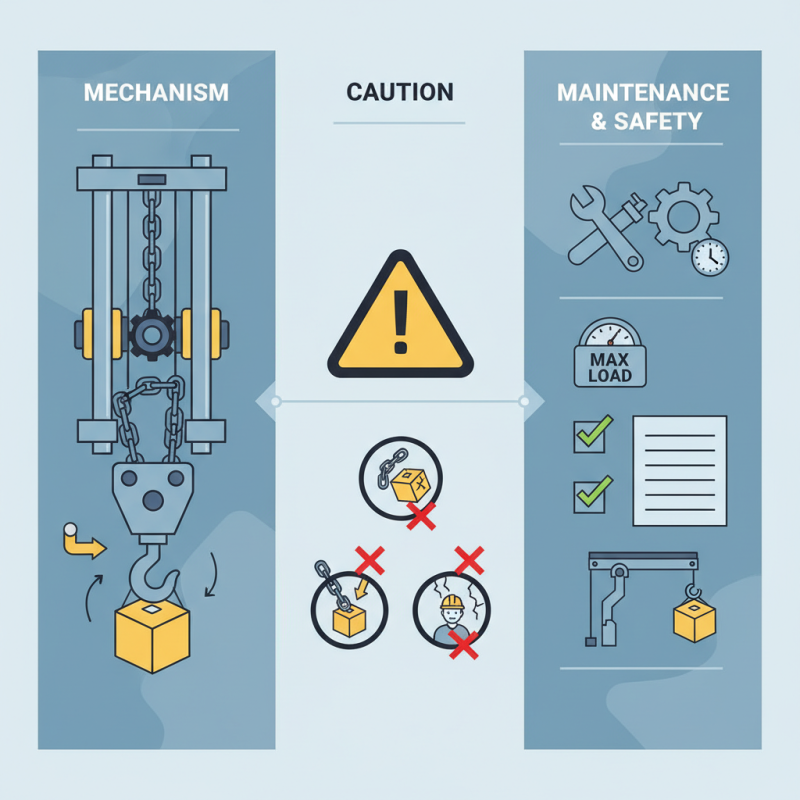
How a Chain Hoist Functions: The Mechanism Explained
A chain hoist operates using a simple mechanism that combines
mechanical advantage with physical effort. At its core,
it consists of a chain, a pulley system, and a lifting hook.
When you pull the chain, it moves around the pulleys. This action
raises or lowers the load attached to the hook. The design allows
heavy objects to be lifted with minimal force.
Consider this: the weight of the load can affect your efforts.
Lifting too heavy can strain your muscles or cause accidents.
Always know your limits. Ensure that the hoist's capacity
matches the load. This prevents damage both to the equipment and to you.
Remember to inspect the chain and pulleys regularly.
Wear and tear can cause failures.
Look for cracks or rust on the chain.
An overlooked detail can lead to serious problems.
Safety should always come first
when using a chain hoist.
Applications of Chain Hoists in Various Industries
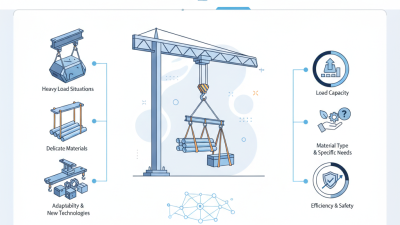
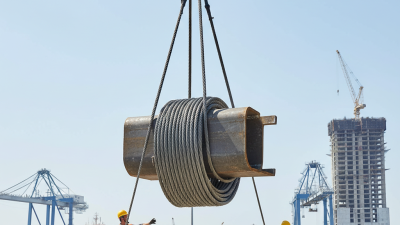
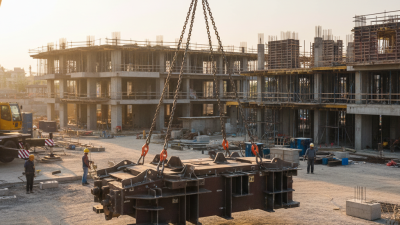
Chain hoists are versatile tools used in various industries. They provide an efficient method for lifting heavy objects. In construction, they are essential for moving materials like steel beams and heavy equipment. Workers rely on them to save time and reduce strain. A well-placed chain hoist can prevent accidents during high-altitude tasks.
In manufacturing, chain hoists assist in assembly lines. They help in lifting and positioning components swiftly. This efficiency can enhance productivity. Warehouses use chain hoists for loading and unloading heavy pallets. However, improper use can lead to safety concerns. Workers must be trained in best practices.
The entertainment industry also benefits from chain hoists. They help lift lighting and sound equipment during events. Their ability to maneuver in tight spaces is valuable. However, not every setup may be ideal. Regular maintenance is crucial to ensure safety. Each industry has its unique challenges when using chain hoists. Reflections on these areas can lead to better practices in the future.
Advantages and Safety Considerations of Using Chain Hoists
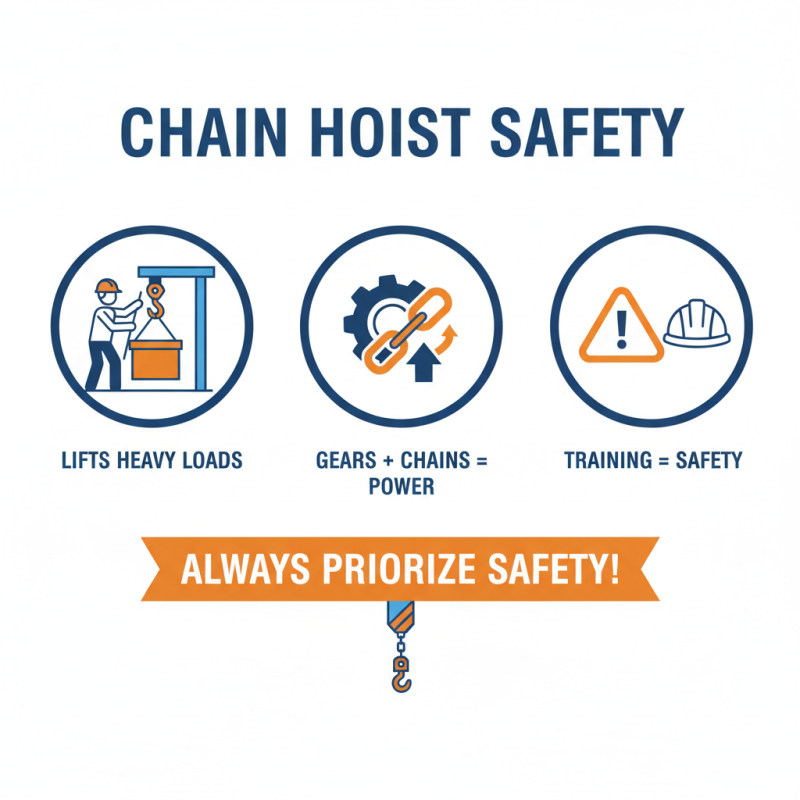
Chain hoists are useful tools for lifting heavy loads. They operate using a series of gears and chains, allowing for incredible lifting power. However, with this power comes responsibility. Safety is paramount when using a chain hoist. Users must be trained properly to avoid accidents.
One advantage of chain hoists is their versatility. They can be used in various industries, from construction to manufacturing. Proper maintenance is crucial to ensure they function safely. Regular inspections help identify wear and tear. It’s essential to replace any damaged parts promptly.
Despite their benefits, chain hoists can pose risks. Overloading them can lead to equipment failure. Users should always check weight limits. Environmental factors, like weather or uneven surfaces, should also be considered. Safety gear is a must. It adds another layer of protection for operators. Taking these precautions can make a significant difference.