What Are the Best Crane Straps in 2026?

Choosing the best crane straps in 2026 is not simply a matter of picking the strongest-looking sling. The right option must match the load, lifting method, working environment, and equipment in use. A strap that performs well for bundled steel may not suit a painted machine housing or a load with sharp edges. Small details matter.

This guide compares common crane straps by material, rated capacity, construction, and practical handling features. It explains how to read identification labels and working load limits, and why sling angle can affect capacity. You will also find guidance on width, length, eye style, and protective sleeves. These details help narrow a crowded market to options that fit real lifting tasks, not just product photos.

Condition matters, too. Cuts, damaged stitching, chemical exposure, heat, or missing labels can make a strap unsuitable for service. Always follow the manufacturer’s instructions and have qualified personnel assess questionable gear. Check the tag. Inspect the stitching. Confirm the load.

There is no single best choice for every lift, and product specifications can change. Even experienced buyers can overlook how a cramped rigging setup or a rough load edge changes the decision. That deserves a second look. The sections ahead offer a clear framework for comparing crane straps in 2026, while keeping safety, durability, and value in view.
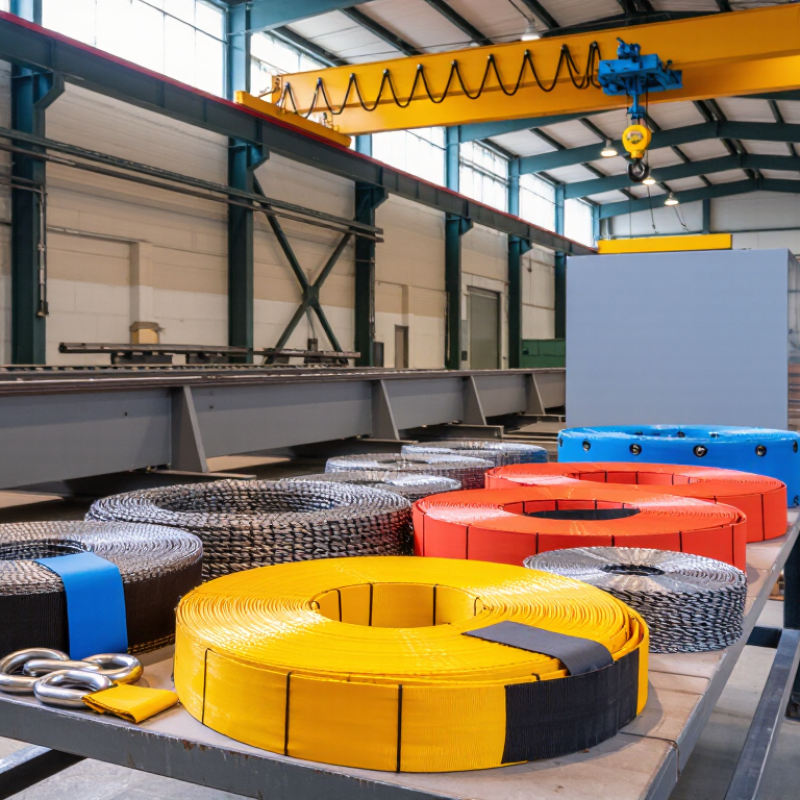
What Are the Best Crane Straps in 2026?

Understanding Crane Straps and Their Role in Lifting

Crane straps connect a crane hook to a load, helping lift and position materials without relying on chains or wire rope alone. The term often refers to flat webbing slings or round slings, made with fibers suited to particular loads and work conditions. Each has limits. A strap’s rated capacity depends on its construction, hitch, and lifting angle—not just its width or apparent thickness.

The rating tag matters. Check it before use, and match its working load limit to the load and planned hitch. A sling pulled at a shallow angle carries more tension than one hanging vertically. Keep the load balanced, protect straps from sharp corners, and make sure the hook and sling are seated correctly. A slow test lift can reveal shifting before the load rises far.

Inspect straps before each lift for cuts, fraying, damaged stitching, heat marks, or chemical damage. Remove a sling from service if its tag is unreadable or its condition is uncertain; appearance alone cannot confirm capacity. Store straps clean and dry, away from sharp tools and direct heat. Small details are easy to miss on a busy site, and that is exactly why consistent checks matter.
Common Types of Crane Straps and How They Differ

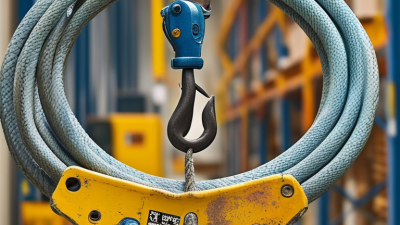
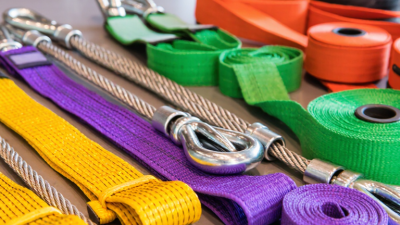
Crane straps differ by material, flexibility, and resistance to site hazards. Synthetic web slings are light and gentle on painted loads, but sharp edges can cut their fibers. Roundslings offer flexibility and can wrap irregular shapes, yet their protective jackets need inspection for cuts or abrasion. Wire-rope slings handle heat and rough contact better, but are heavier and can kink. Alloy-chain slings tolerate demanding conditions and adjustable configurations, though they are heavy and require checks for stretched or damaged links.

ASME B30.9 gives minimum design factors that vary by sling type: commonly 5 for synthetic web, wire-rope, and metal-mesh slings, and 4 for alloy-chain slings. These are design factors, not working-load ratings. The actual rated capacity depends on sling construction, hitch, and load angle. A shallow angle can sharply increase sling tension. It is easy to overvalue a strap’s appearance; that deserves a second look. A clean sling may still have hidden damage.

Tips: Check the tag for rated capacity and material, then inspect the full length before lifting. Keep synthetic slings away from sharp edges with suitable protection. Stop if labels are missing, fibers are cut, wires are broken, or chain links are distorted. Follow the sling maker’s instructions and your site’s lift plan.

Key Factors for Choosing Crane Straps in 2026

Choosing crane straps in 2026 starts with the load, not the price. Check the working load limit on the identification tag, then confirm it suits the actual hitch and sling angle. A strap used vertically may have a different capacity when choked or used in a basket hitch. Never estimate from appearance. A wide strap can still be damaged inside its weave.

Material matters. Polyester webbing is common for general lifting, while round slings can help protect delicate or finished surfaces. Consider exposure to moisture, chemicals, sharp edges, heat, and outdoor sunlight. Add suitable edge protection where contact could cut or abrade the sling. Small details matter. A rough steel corner can quietly weaken webbing during one lift.

Before use, verify the tag is readable and check for cuts, broken stitching, pulled fibers, melted areas, or damaged fittings. Remove suspect straps from service; do not repair them with tape or improvised stitching. Confirm that hooks and other hardware fit securely, and that the lifting plan accounts for load balance and center of gravity. Follow the sling maker’s instructions and applicable site procedures, and ask a qualified rigger when capacity or configuration is unclear. Real-world checks can feel repetitive. They are still worth doing.

Best Crane Straps for Different Lifting Applications in 2026

For clean, finished equipment, polyester web slings offer a soft contact surface that helps limit scratches. They are practical for short lifts in dry, moderate-temperature conditions. Round slings suit irregular loads because their flexible bodies can cradle curved surfaces. Neither type tolerates sharp edges without suitable edge protection. For abrasive, hot, or rough loads, wire-rope or chain slings may be more appropriate, provided their rated capacity and condition match the lift.

Geometry matters as much as material. In a two-leg bridle, each leg carries more tension as the sling angle drops. At 30 degrees from horizontal, each leg carries roughly the full load weight; at 60 degrees, about 58 percent. These calculations assume equal loading, which real lifts may not achieve. ASME B30.9 provides sling-use guidance, while OSHA’s 29 CFR 1910.184 requires inspection before use each day. Small cuts, broken wires, or distorted links are reasons to stop and reassess.

The U.S. Bureau of Labor Statistics reported 1,075 fatal work injuries in construction in 2023. That figure is not specific to crane slings, but it reinforces why lift planning and inspections matter. Match the sling to the load’s weight, shape, edges, and environment, then verify the identification tag. A detail crews sometimes underestimate: load balance can shift after the lift begins. A cautious test lift may reveal that.

What Are the Best Crane Straps in 2026? — Best Crane Straps for Different Lifting Applications in 2026

Sling Type Typical Construction Best-Suited Applications Key Advantages Limitations and Inspection Focus
Flat Webbing Sling Woven synthetic webbing, commonly polyester, with flat eyes or endless construction. General lifting of finished, painted, or relatively delicate loads; basket and choker hitches when permitted by the sling tag. Lightweight, flexible, easy to handle, and less likely than metal slings to scratch a load. Can be vulnerable to cuts, abrasion, heat, and incompatible chemicals. Inspect the webbing, stitching, eyes, and any protective sleeves.
Round Sling Load-bearing synthetic yarns enclosed in a protective tubular cover; polyester is common. Loads with curved or irregular shapes, including equipment and components that need a flexible contact surface. Flexible and adaptable to the load shape; the cover helps protect the internal load-bearing fibers from ordinary surface contact. Damage to the cover can expose internal fibers. Remove from service if the core is visible or damaged, or if the identification tag is missing or unreadable.
Wire Rope Sling Steel wire rope assembled with fittings such as eyes, sleeves, or end attachments. Construction, industrial, and outdoor lifting where a rugged sling is appropriate and the load can tolerate metal contact. Resists abrasion better than many textile slings and is suitable for demanding service when correctly selected and maintained. Heavier and less forgiving around delicate surfaces. Check for broken wires, kinks, crushing, corrosion, damaged fittings, and other defects specified by applicable rules.
Alloy Steel Chain Sling Rated alloy-steel chain with compatible master links, hooks, and connecting components. Heavy industrial loads, repeated handling, and applications where a durable, adjustable multi-leg assembly is required. Durable and configurable; individual chain legs can be arranged for different lifting geometries. Heavy and capable of damaging load surfaces. Inspect chain links and fittings for wear, stretch, cracks, distortion, and heat damage; avoid shock loading.
Endless Synthetic Sling Continuous loop made from synthetic webbing or a covered synthetic core. Loads that need flexible hitch positioning, including basket hitches and wrapped lifts where the sling design permits. Can be repositioned around a load and offers a soft contact surface; multiple configurations may be possible within its rated limits. Edges, heat, chemicals, and abrasion can damage synthetic material. Use suitable edge protection and inspect the full sling before use.

Selection and safety: There is no single best crane sling for every lift. Select a sling based on the load, hitch, environment, contact surfaces, and lifting geometry. Use the working load limit (WLL) shown on the sling identification tag for the specific configuration; sling angle and hitch type can change the permitted capacity. Follow the manufacturer’s instructions and applicable regulations, and remove damaged or unidentifiable slings from service.

Safe Use, Inspection, and Care of Crane Straps

What Are the Best Crane Straps in 2026?
Safe Use, Inspection, and Care of Crane Straps

Choosing a crane strap is only part of a safe lift; correct use and inspection matter just as much. Check the identification tag before every lift. It should be readable and show the strap’s rated capacity and configuration. Match that rating to the load and hitch, and keep the sling angle within the lift plan. A tighter angle increases tension in each sling leg. Never knot a strap or let it rub across a sharp steel edge.

Look closely along the webbing for cuts, broken stitching, melted fibers, chemical damage, or crushed areas. OSHA’s sling standard, 29 CFR 1910.184, calls for daily inspection before use and removal of defective slings from service. Do not guess when damage is hard to judge. Set the strap aside and have a qualified person assess it. A small nick near a loaded edge can matter more than it first appears.

Care is practical. Keep straps clear of heat, welding sparks, oil, and abrasive concrete; use suitable edge protection where contact cannot be avoided. Store them dry, away from direct sunlight and chemicals. The UK Health and Safety Executive reported 138 worker deaths from work-related injuries in Great Britain in 2023/24. That figure is not specific to lifting straps, but it underlines why routine checks deserve real attention. Crews can still miss things on a rushed shift. Slow down. Before tensioning, confirm the hook is seated and everyone is clear of the suspended load.

What Are the Best Crane Straps in 2026? Safe Use, Inspection, and Care

How sling angle affects the tension in each leg of a symmetrical, two-leg lift

Lower sling angles increase leg tension. Values show tension per leg as a fraction of the lifted load, calculated for equal load sharing using T = load ÷ (2 × sin(angle)). This idealized calculation excludes dynamic effects and rigging weight. Confirm sling capacity and configuration before every lift, and inspect straps before use.