Top 10 Benefits of Using Steel Wire Rope in Various Industries
Steel wire rope is an essential component in a myriad of industries, owing to its remarkable strength, durability, and versatility. This indispensable material is engineered to withstand heavy loads and extreme conditions, making it a preferred choice for applications ranging from construction and mining to marine and transportation. As industries continue to evolve, the demand for reliable and efficient materials is ever-increasing, and steel wire rope stands out as a crucial player in enhancing operational safety and efficiency.
The benefits of using steel wire rope are far-reaching. Its ability to resist corrosion, combined with a high tensile strength, ensures that it performs effectively even in the toughest environments. Moreover, steel wire rope offers flexibility and ease of handling, which simplifies installation and maintenance processes. As organizations seek to maximize productivity while adhering to rigorous safety standards, the adoption of steel wire rope becomes a strategic decision that can lead to significant operational improvements. In this article, we will explore the top ten benefits of using steel wire rope across various industries, highlighting its pivotal role in modern industrial applications.
Advantages of Steel Wire Rope in Construction Applications
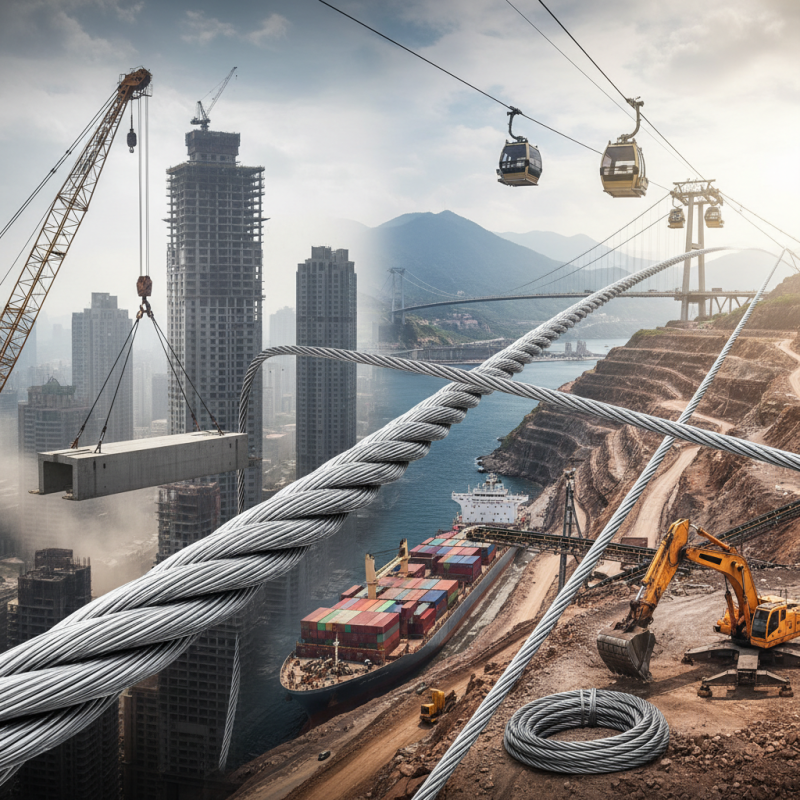
Steel wire rope has become increasingly popular in construction applications due to its impressive range of benefits. With the steel wire rope market projected to reach USD 13.88 billion by 2030, the material’s strength, durability, and flexibility make it an essential component for various construction projects. It provides superior tensile strength compared to other materials, enabling it to handle heavy loads, which is crucial in areas such as lifting and securing structures during construction phases. Its resistance to corrosion, particularly when galvanized or coated with materials like PVC and PE, enhances its longevity and reliability, making it a preferred choice for outdoor and marine environments.
Furthermore, the construction industry is driving strong demand for steel wire ropes. Recent reports indicate that the market is witnessing robust growth, fueled by expanding activities in related sectors such as mining, oil, and gas. The versatility of steel wire ropes allows them to be used in diverse applications ranging from crane operations to anchoring structures and further into the burgeoning interior design field., a testament to their adaptability and essential role in modern construction methodologies. This not only indicates a shift towards innovative uses but also underscores the material's position as a backbone of the industry, illustrating its value across multiple domains.
Top 10 Benefits of Using Steel Wire Rope in Various Industries
Durability and Strength of Steel Wire Rope in Transportation
Steel wire rope has become an indispensable component in the transportation sector, primarily due to its remarkable durability and strength. With its high tensile strength, steel wire rope is capable of supporting heavy loads, making it ideal for various applications, including cranes, elevators, and shipping operations. These ropes are designed to withstand harsh environmental conditions, ensuring safety and reliability in transporting goods across challenging terrains.
The growing demand for steel wire rope is reflected in the projected market growth, expected to reach USD 13.88 billion by 2030. This surge can be attributed to the increasing investments in infrastructure and the rising need for efficient transportation solutions. Industries are now prioritizing materials that offer high performance and longevity, and steel wire rope meets these requirements effectively, enhancing overall operational efficiency.
As companies continue to innovate and explore green transport solutions, the role of durable materials like steel wire rope in ensuring reliable and sustainable transportation becomes even more critical.
Versatility of Steel Wire Rope in Oil and Gas Industry
The versatility of steel wire rope in the oil and gas industry cannot be overstated, as it plays a crucial role in various applications, ranging from drilling to lifting and rigging operations. Steel wire ropes are favored for their remarkable tensile strength and durability, capable of withstanding the extreme conditions often encountered in oil and gas extraction. According to industry reports, the global wire rope sling market is anticipated to see steady growth, driven by rising demand in the oil and gas sector, with projections indicating a significant uptick through 2025 and beyond.
Moreover, the use of steel wire ropes contributes to safety and efficiency in operations. The increasing complexity of offshore drilling and the need for reliable lifting mechanisms highlight the importance of employing high-quality steel wire ropes that meet stringent industry standards. In addition, the plastic-coated wire ropes market is also gaining traction, with coatings like PVC and PE enhancing the performance characteristics of steel wire ropes by providing additional protection against corrosion and wear, further cementing their role in this pivotal industry.
Corrosion Resistance and Longevity of Steel Wire Rope in Marine Settings
Steel wire rope has become a pivotal component across various industries, particularly in marine settings where corrosion resistance and longevity are crucial. Its robust nature ensures that marine operations can rely on materials that endure harsh saltwater environments, reducing the frequency of maintenance and replacements. This not only leads to cost savings over time but also enhances operational efficiency in shipping and offshore constructions.
**Tips:** When selecting steel wire rope for marine applications, consider using galvanized or stainless steel variants, as these materials offer enhanced protection against corrosion. Regular inspections of the wire ropes and proper lubrication are essential to maintain their structural integrity. Furthermore, employing protective coatings can significantly extend the lifespan of your wire ropes in challenging marine settings.
Moreover, the expanding market for steel wire rope reflects its growing importance in sectors like construction, mining, and transportation. As industries evolve and demand more durable solutions, steel wire rope remains indispensable for lifting, pulling, and securing heavy loads, with its reliability paving the way for innovation and efficiency across operations.
Safety Benefits of Using Steel Wire Rope in Mining Operations
The use of steel wire rope in mining operations offers significant safety benefits that are pivotal for enhancing worker protection and operational efficiency. Steel wire ropes are renowned for their strength and durability, which are critical in the challenging environments of mining. They can withstand heavy loads and extreme conditions, reducing the likelihood of rope failure during crucial lifting and hauling operations. This reliability translates to fewer accidents, protecting lives and minimizing downtime due to equipment failure.
Moreover, the safety advantages of steel wire rope are further emphasized by regulatory measures. Recent alerts from mining safety authorities regarding the need for thorough inspections and proper testing of wire ropes serve to highlight the importance of rigorous maintenance practices. By adhering to these standards, mining operations can ensure that their equipment remains in optimal condition, thereby enhancing the overall safety of the worksite. As the steel wire rope market continues to grow, with projections reaching USD 13.88 billion by 2030, the ongoing focus on safety and reliability will remain a key driver for its use in the mining sector.
Top 10 Benefits of Using Steel Wire Rope in Various Industries - Safety Benefits of Using Steel Wire Rope in Mining Operations
| Benefit |
Description |
Industry Application |
Safety Impact |
| High Tensile Strength |
Steel wire ropes have exceptional tensile strength, making them suitable for heavy lifting and carrying loads. |
Mining, Construction |
Reduces the risk of equipment failure, enhancing safety in operations. |
| Durability |
The materials used in steel wire ropes resist wear and tear, extending their lifespan. |
Mining, Shipping |
Less frequent replacements lead to lower accident risks due to equipment failure. |
| Corrosion Resistance |
Many steel wire ropes are treated to be resistant to rust and corrosion. |
Marine, Oil and Gas |
Enhances the safety of lifting operations in harsh environments. |
| Flexibility |
Steel wire ropes can be designed for exceptional flexibility, allowing for easier handling. |
Construction, Rigging |
Improves maneuverability, which enhances operational safety. |
| Lightweight |
Compared to other materials, steel wire ropes are lightweight but strong. |
Mining, Transportation |
Lowers the risk of overloading cranes or other lifting equipment. |
| High Load Capacity |
Able to support significantly heavy loads without compromising integrity. |
Mining, Wind Energy |
Ensures safe lifting of heavy equipment and materials. |
| Versatile Applications |
Steel wire ropes can be used in a variety of applications across multiple industries. |
Construction, Mining, Transportation |
Adaptability enhances safety across operations. |
| Cost-Effectiveness |
Long lifespan and fewer replacements lead to lower operational costs. |
Mining, Construction |
Cost savings can be redirected to safety training and equipment improvements. |
| Easy to Maintain |
Maintenance requirements are straightforward, which helps in minimizing downtime. |
Mining, Industrial |
Regular inspections mitigate risks of accidents. |
| Non-Conductive Options |
Some steel wire ropes are designed to be non-conductive, enhancing safety in electrical applications. |
Electrical, Mining |
Prevents accidents in high-voltage environments. |