2026 Top Steel Wire Rope Applications for Global Buyers?
The global steel wire rope market is poised for significant growth. According to a recent report by ResearchAndMarkets, the market is projected to reach USD 7.27 billion by 2026. This growth is driven by increased demand in construction, mining, and oil and gas industries.
Steel wire rope is essential in lifting, pulling, and securing heavy loads. Its unique properties, such as high tensile strength and resistance to wear, make it indispensable in various applications. The construction sector alone accounts for a major share, utilizing steel wire rope in cranes and other machinery.
However, the industry faces challenges. Fluctuating raw material prices and competition from synthetic fibers can hinder growth. Market players must innovate and improve manufacturing processes to maintain quality and performance. This highlights the need for continual assessment and adaptation in the steel wire rope sector.
Top Industries Utilizing Steel Wire Ropes in 2026
In 2026, steel wire ropes are crucial for various industries, catering to specific needs and enhancing operational efficiency. The construction sector remains a dominant user, accounting for nearly 35% of the market share. Steel wire ropes are essential for lifting heavy materials, supporting structures, and providing safety mechanisms. Recent reports highlight a 10% expected growth in demand, reflecting ongoing infrastructure projects worldwide.
The mining industry is also a significant consumer, employing steel wire ropes in hoisting operations. As minerals become harder to extract, the demand for heavy-duty ropes increases. A study from a leading industry analyst indicates that this sector's growth rate could reach 8% annually. This growth stems from rising resource requirements and advancements in mining technology.
Moreover, the marine and offshore sectors utilize steel wire ropes extensively. They are vital for mooring ships and securing equipment. Safety standards and load capacities have seen rigorous assessments in recent years. Yet, challenges persist, particularly regarding environmental sustainability. Industry players are urged to reflect on their practices, ensuring that future developments do not harm ecosystems. This dual focus on growth and responsibility shapes the landscape for steel wire ropes moving forward.
Key Applications of Steel Wire Ropes in Construction and Infrastructure
Steel wire ropes play a crucial role in construction and infrastructure. These durable cables are widely used for lifting and hoisting heavy loads. In high-rise buildings, steel wire ropes support elevators, ensuring smooth and safe operation. They are also vital in bridges, where they help suspend decks and transfer loads efficiently.
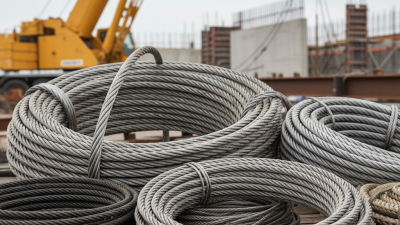
For construction cranes, steel wire ropes provide exceptional strength. They allow cranes to lift and move materials across job sites. The tension and flexibility of these ropes enable them to navigate challenging terrains. However, it's essential to regularly inspect these cables for wear and tear. Neglecting maintenance can lead to catastrophic failures.
When sourcing steel wire ropes, consider their application carefully. Different projects may require ropes with specialized coatings or construction types. It's important to keep up with industry standards and testing protocols. Remember, selecting the right type will significantly impact overall safety and efficiency. Always consult with experts to ensure the best fit for your needs.
Innovative Uses of Steel Wire Ropes in Mining Operations
Steel wire ropes play a crucial role in modern mining operations, enhancing both safety and efficiency. These ropes are often employed in hoisting systems, enabling the transport of materials from deep underground to the surface. They possess a remarkable strength-to-weight ratio, making them ideal for lifting heavy loads while ensuring operator safety. Their durable nature resists wear and tear, which is essential in harsh mining environments.
Innovative uses of steel wire ropes are emerging, particularly in mechanized mining. Operators now utilize them for automated drilling and material handling systems. These advancements increase productivity and reduce labor costs, but they also prompt reflection on the potential downsides. Over-reliance on technology may lead to gaps in operator skills. It is essential to strike a balance between leveraging technology and maintaining human expertise in the field.
Moreover, the sustainability of steel wire rope production raises concerns. While their longevity is beneficial, the environmental impact of their manufacturing cannot be ignored. Mining companies must address these issues. Innovating responsibly will ensure that the mining sector can thrive without compromising future generations. Balancing efficient operations with environmental stewardship is a challenge worth considering.
2026 Top Steel Wire Rope Applications in Mining Operations
This chart illustrates the estimated distribution of steel wire rope applications in various mining operations for 2026. The data highlights the key sectors where steel wire ropes are most utilized.
Impact of Steel Wire Rope Technology on Maritime and Shipping Sectors
Steel wire rope technology significantly impacts the maritime and shipping sectors. These ropes are essential for lifting, towing, and securing heavy loads. Their strength and durability lead to safer operations at sea. Companies need to adapt to advancements in materials and construction methods to stay competitive. New technologies increase reliability and reduce maintenance costs.
Rope design has evolved. Innovations like corrosion-resistant coatings protect from harsh marine environments. This leads to longer lifespans and fewer breakdowns. As vessels become larger and heavier, the demand for robust wire ropes grows. It's crucial for shipping firms to choose suppliers that prioritize quality and testing.
Consider regular inspections. Look for signs of wear or damage. Proper maintenance enhances the performance of steel wire ropes. Investing in training for operators can also minimize accidents. Adapting to technology changes can be a challenge. However, embracing these advancements is vital for success.
Future Trends in Steel Wire Rope Applications for Global Buyers
The future trends in steel wire rope applications highlight the increasing demand in various sectors. According to a recent market analysis, the global steel wire rope market is projected to grow at a CAGR of 5.2% from 2022 to 2026. This growth is driven by advancements in construction, mining, and maritime operations. Steel wire ropes are essential for lifting and towing, with the construction industry being the largest consumer.
The trend towards automation in heavy industries is influencing the design and material used in wire ropes. For instance, an emphasis is placed on higher tensile strength and lightweight characteristics. Manufacturers are focusing on producing ropes that offer enhanced corrosion resistance and lower maintenance costs. This shift is essential for meeting the rigorous demands of modern applications while ensuring safety and durability.
Maintain awareness of industry standards and safety regulations when selecting steel wire ropes. Consider environmental impacts and the need for sustainable practices. As the market evolves, buyers must stay informed about technological innovations and changing market conditions. Engage with industry professionals to assess the best solutions for specific applications. This proactive approach can avoid potential pitfalls and enhance operational efficiency.